

Algerian Education Minister Issues Strict Directives for School Heating and Security Ahead of Winter
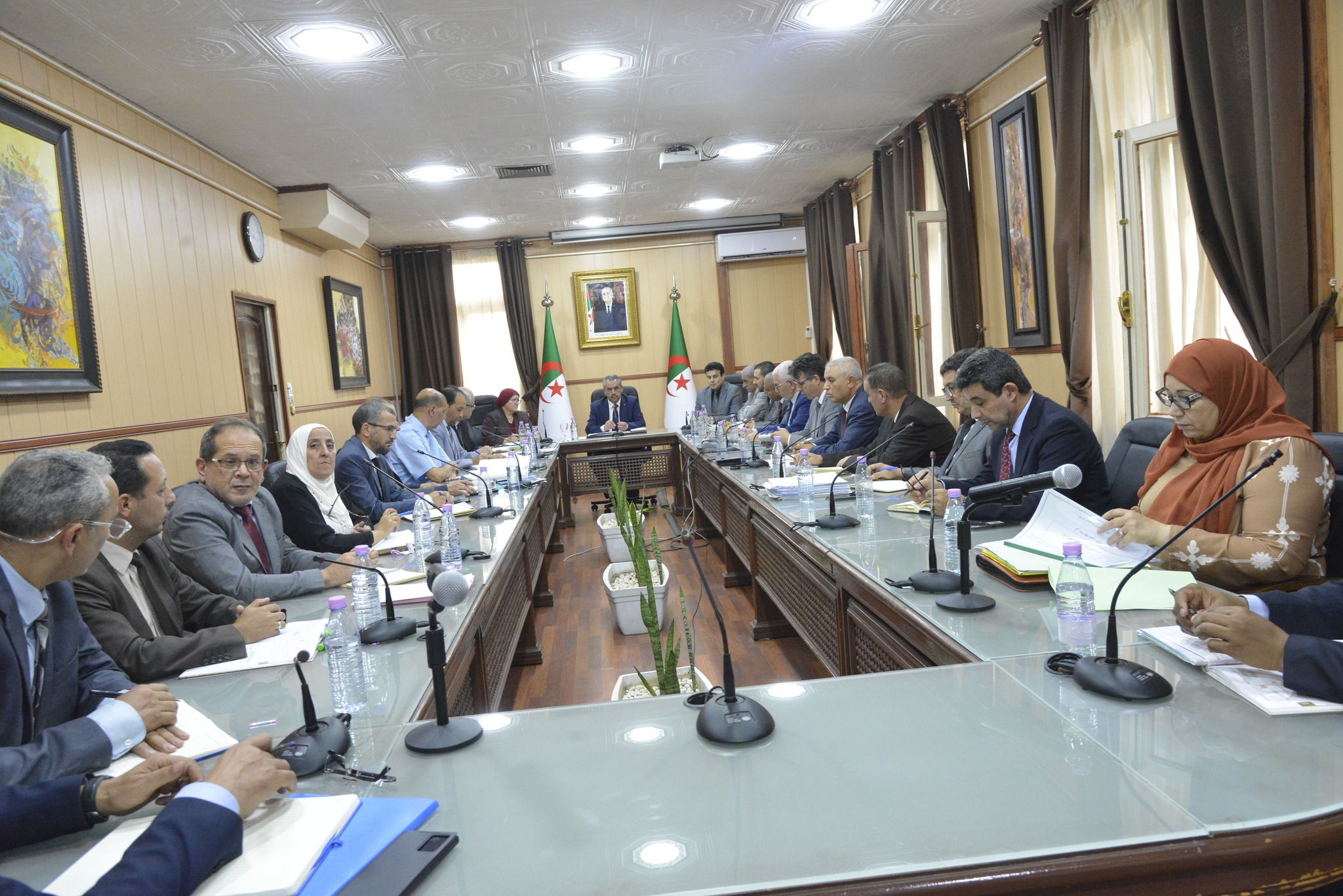
Comprehensive Winter Preparedness Plan Unveiled for Algerian Schools
In a decisive move that underscores the government’s commitment to educational infrastructure, Algerian Education Minister Mohamed Djarir Sadaoui has issued stringent directives aimed at ensuring adequate heating and security measures across the nation’s schools as winter approaches. The minister’s instructions came during a high-level national conference held Wednesday evening, bringing together central administration officials, regional education directors, and delegated administrators.
The timing of these measures is particularly crucial, given Algeria’s often harsh winter conditions that have historically disrupted educational activities in various regions. Many educators and parents will recall past winters where inadequate heating systems forced school closures or created challenging learning environments for students. This proactive approach signals a significant shift toward preventive planning rather than reactive solutions.
Urgent Timelines for Infrastructure Projects
Minister Sadaoui emphasized the critical importance of adhering to strict deadlines for all ongoing educational infrastructure projects. “The completion of these projects within their designated timeframes is not merely an administrative requirement but a fundamental obligation to our students and teaching staff,” the minister asserted during the conference proceedings.
The directive specifically addresses concerns about construction delays that have plagued educational projects in previous years. Regional education directors received clear instructions to accelerate implementation of the sector’s 2025 special program projects, with particular focus on heating system installations and upgrades. This comprehensive approach recognizes that proper learning conditions extend beyond curriculum quality to include the physical environment in which education occurs.
Heating System Readiness: A Top Priority
With temperatures expected to drop significantly in the coming months, the minister’s emphasis on heating system preparedness reflects lessons learned from previous winters. Many schools, particularly in mountainous and remote areas, have struggled with inadequate heating infrastructure, leading to classroom conditions that hampered both teaching and learning.
The national conference detailed specific requirements for heating system maintenance, fuel supply arrangements, and contingency plans for system failures. Educational institutions have been instructed to complete all heating system inspections and necessary repairs by the end of October, ensuring full operational readiness before the first cold snap arrives. This timeline allows for necessary adjustments and prevents the last-minute scrambling that has characterized previous winter preparations.
Beyond Heating: Comprehensive Security and Health Monitoring
While heating concerns dominated the discussion, Minister Sadaoui’s directives extended to broader security and health considerations within educational facilities. The minister stressed the interconnected nature of these elements, noting that “a secure and healthy learning environment forms the foundation upon which quality education is built.”
Security protocols received particular attention, with instructions for regular safety audits of school facilities, emergency response planning, and coordination with local security services. These measures aim to address growing concerns about school safety in a changing security landscape, while maintaining the welcoming atmosphere essential for effective learning.
Health Infrastructure and Pandemic Preparedness
The health component of the minister’s directives reflects ongoing concerns about communicable diseases in congregate settings. School infirmaries will undergo equipment assessments, and health monitoring protocols will be standardized across institutions. The conference also addressed pandemic preparedness, building on lessons learned from recent global health challenges that disrupted education worldwide.
What makes these directives particularly noteworthy is their holistic approach. Rather than treating heating, security, and health as separate concerns, the ministry appears to recognize their interdependence. A school with adequate heating but poor security measures, or vice versa, fails to provide the comprehensive safe environment students need to thrive academically.
Implementation Framework and Accountability Measures
The national conference established clear implementation mechanisms to translate these directives into tangible improvements. Regional education directors received specific benchmarks and reporting requirements, creating a system of accountability that previous initiatives have sometimes lacked.
Monthly progress reports will track implementation across three key areas: infrastructure project completion, heating system readiness, and security/health protocol implementation. This data-driven approach allows for mid-course corrections and identifies regions requiring additional support before problems become critical.
Stakeholder Engagement and Community Involvement
Beyond administrative measures, the directives encourage greater community involvement in school preparedness. Parent-teacher associations will be consulted on local concerns, and school administrators have been encouraged to develop relationships with local heating fuel suppliers and security services. This community-based approach recognizes that successful implementation requires coordination beyond the education sector alone.
The question many educators are asking is whether this initiative represents a temporary response to immediate concerns or signals a lasting change in how educational infrastructure is managed. The comprehensive nature of the planning and the involvement of multiple administrative levels suggests a more sustained approach, though its ultimate success will depend on consistent follow-through in the coming months.
Broader Implications for Educational Quality
Education experts have long argued that physical learning environments significantly impact educational outcomes. Students struggling to concentrate in cold classrooms or worried about security concerns cannot fully engage with academic material. By addressing these fundamental environmental factors, the ministry’s directives indirectly support improved academic performance across the educational system.
The emphasis on project timelines also suggests recognition that educational quality extends beyond classroom instruction to include the reliability and functionality of educational infrastructure. Delayed construction projects have previously forced students to learn in inadequate facilities, creating disruptions that affected entire academic years.
Regional Considerations and Equity Concerns
Algeria’s diverse geography presents unique challenges for standardized implementation. Schools in the northern coastal regions face different winter conditions than those in the Sahara’s edge or the mountainous areas. The minister’s directives acknowledge these regional variations, allowing for appropriate adaptations while maintaining core standards.
Equity concerns also feature prominently in the planning. The directives specifically mention ensuring that schools in less developed regions receive necessary attention, preventing the infrastructure gaps that have sometimes widened educational disparities between urban and rural areas. This focus on equitable resource distribution represents an important step toward educational equality across Algeria’s diverse regions.
Looking Ahead: Implementation Challenges and Opportunities
As with any ambitious governmental initiative, implementation will present significant challenges. Budget constraints, logistical complications, and administrative inertia could potentially slow progress. However, the high-level attention and specific accountability measures established during the national conference suggest serious commitment to overcoming these obstacles.
The coming months will provide the true test of these directives’ effectiveness. As temperatures drop, the preparedness of school heating systems will become immediately apparent. Similarly, the security and health measures will face practical challenges that theory cannot anticipate. What remains clear is that the ministry has established a framework for addressing these issues systematically rather than reactively.
For parents, students, and educators across Algeria, these developments represent a promising shift toward more predictable, comfortable, and secure learning environments. The ultimate success of this initiative will be measured not in conference proceedings or directives, but in warm, safe classrooms where students can focus on learning rather than their physical discomfort or safety concerns.
As one veteran school administrator noted after the conference, “For the first time in recent memory, we have a comprehensive plan rather than piecemeal solutions. The challenge now is execution, but having a clear roadmap represents significant progress.”
Source: Echorouk Online