

Algeria’s November Revolution: A Timeless Beacon of Freedom and National Renewal
ALGIERS – As the crisp autumn air settles over Algeria, the nation pauses to remember. Seventy-one years have passed since that fateful night of November 1, 1954, when the first shots of revolution echoed across the mountains and valleys, signaling the beginning of the end for colonial rule. Today, the memory of that courageous stand continues to shape the nation’s identity and purpose.
A Legacy Etched in Blood and Principle
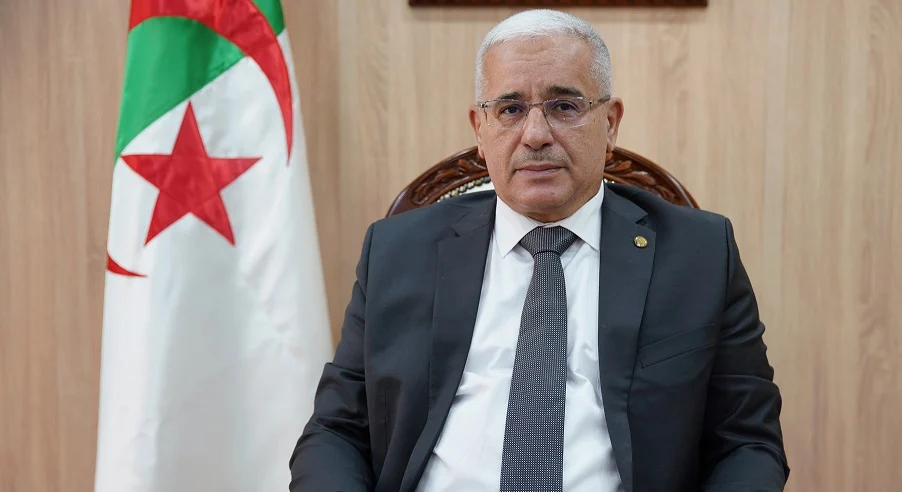
Ibrahim Boughali, President of the People’s National Assembly, recently extended his heartfelt congratulations to the Algerian people on the 71st anniversary of what historians would later call the Glorious Liberation Revolution. In his official statement, Boughali articulated what many Algerians feel in their bones—that November 1st represents more than a historical date; it embodies the nation’s soul.
“The First of November will forever remain an immortal day in the memory of the Algerian nation,” Boughali declared, his words carrying the weight of seven decades of reflection. “It represents a sacred opportunity to renew our covenant with the sacrifices of those righteous men who fulfilled their pledge to God, crafting with their lives and blood an epic of freedom and independence that has become a guiding light for generations.”
The Unbreakable Covenant
What does it mean to “renew the covenant” in 2025? For contemporary Algerians, particularly the youth who constitute the majority of the population, the question carries profound implications. The revolutionaries of 1954—mostly young men and women themselves—didn’t simply fight for territory; they fought for dignity, self-determination, and the right to shape their own destiny.
Boughali’s characterization of these freedom fighters as men who “fulfilled their pledge to God” speaks to the spiritual dimension of the struggle. In the Algerian consciousness, the revolution wasn’t merely political—it was a moral imperative. The martyrs, as they’re universally known, made the ultimate sacrifice not for personal glory, but for principles that transcended individual existence.
Beyond Ceremony: The Living Memory
Every year, as the anniversary approaches, Algeria undergoes a subtle transformation. The green and white of the national flag appears more prominently in streets and windows. Schoolchildren prepare performances and recitations. Families gather to share stories of grandparents and great-grandparents who participated in the struggle. This isn’t state-mandated patriotism—it’s organic, intergenerational transmission of memory.
“The revolution lives not in monuments alone, but in the quiet conversations between grandparents and grandchildren,” observes Dr. Amina Belkacem, a historian at the University of Algiers. “When an elder points to a mountain pass and says ‘your great-uncle fought there,’ history ceases to be abstract. It becomes geography, it becomes family, it becomes identity.”
The Contemporary Relevance
In today’s complex geopolitical landscape, the lessons of the November Revolution take on new dimensions. The Algerian war for independence remains one of the most studied anti-colonial movements in modern history, offering insights into resilience, strategic organization, and the power of collective will.
Boughali’s statement implicitly calls for applying the revolution’s principles to contemporary challenges. If the martyrs fought for self-determination, what does genuine self-determination mean in an interconnected global economy? If they sacrificed for dignity, how does a nation preserve and enhance the dignity of all its citizens in the 21st century?
The International Context
The Algerian Revolution didn’t occur in isolation. It emerged during the peak of decolonization movements across Africa and Asia, drawing inspiration from other struggles while developing its own distinctive character. The success of the Algerian fight for independence sent ripples across the continent, demonstrating that determined populations could prevail against formidable colonial powers.
Today, as former colonies worldwide grapple with the legacies of their pasts, Algeria’s experience offers both inspiration and caution. The nation’s journey from revolutionary triumph to building stable institutions provides valuable lessons about the challenges of transition from resistance to governance.
Personal Reflections: Carrying the Torch Forward
Speaking with Algerians from different generations reveals the multifaceted nature of this national memory. For 85-year-old Fatima Zohra, who was a teenager when the revolution began, the anniversary brings mixed emotions. “We remember the joy of independence, but we also remember the emptiness left by those who didn’t live to see it,” she shares, her eyes reflecting decades of remembrance.
For 22-year-old engineering student Kamel Benslimane, the revolution represents both pride and responsibility. “We stand on shoulders of giants,” he reflects. “The challenge for my generation is to honor their sacrifice not just with words, but with actions that continue building the Algeria they dreamed of—prosperous, just, and truly free.”
Educational Imperatives
As the direct witnesses to the revolution age, the responsibility for preserving its memory falls increasingly to educational institutions. How schools teach this history—with all its complexity, heroism, and tragedy—will determine whether future generations understand the depth of the sacrifice.
“We must avoid reducing the revolution to simplistic narratives,” argues educator Farid Boudjellal. “The martyrs weren’t mythical figures—they were ordinary people who did extraordinary things. By understanding their humanity, students can better appreciate the scale of their achievement and find inspiration in their own lives.”
Conclusion: The Eternal Flame
As President Boughali’s commemoration reminds us, the First of November represents what psychologists might call a “chosen trauma”—a painful historical event that a community transforms into a source of identity and strength. The Algerian people have done precisely this, converting the anguish of revolution into a foundation for national consciousness.
The true measure of the revolution’s success lies not merely in the political independence achieved in 1962, but in the ongoing project of building a society worthy of the sacrifice. Each November, as the nation collectively remembers, Algerians recommit to this project—not out of obligation, but out of profound gratitude to those who believed freedom was worth dying for.
In the words of Boughali’s tribute, the revolution remains “a guiding light for generations.” As long as that light continues to illuminate Algeria’s path forward, the martyrs’ legacy remains vibrantly, powerfully alive.
Source: Echorouk Online