

In a Strategic Shift, Lebanon Appoints Civilians to High-Stakes Ceasefire Monitoring Mechanism with Israel
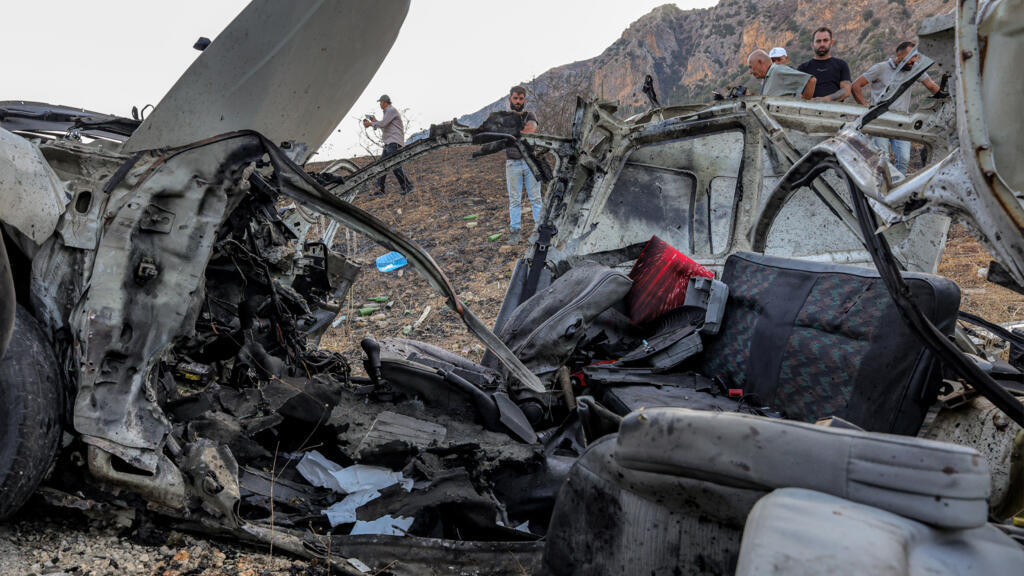
BEIRUT – In a move signaling a significant, albeit delicate, diplomatic concession, the Lebanese government has agreed to appoint civilian representatives to the high-level international committee tasked with monitoring the fragile ceasefire with Israel. This decision comes just days after Beirut issued a firm directive to its national army, authorizing the use of force to counter any perceived Israeli violations of the truce. The juxtaposition of these two actions paints a complex picture of a nation walking a tightrope between asserting its sovereignty and engaging in the pragmatic necessities of international diplomacy.
A Delicate Balancing Act: From Military Posture to Civilian Engagement
The path to this decision has been anything but straightforward. The recent order to the Lebanese Armed Forces (LAF) was a clear message of resolve, a public demonstration of the government’s commitment to defend what it considers its territorial integrity. It was a move designed for domestic and regional audiences, underscoring a refusal to back down. Yet, in the intricate dance of international relations, public posturing is often only one part of the story.
Behind the scenes, a different narrative was unfolding. The agreement to integrate civilian figures into the so-called “mechanism”—a joint monitoring body led by a United States general with active French participation—represents a crucial compromise. But what does this shift truly mean? Is it a softening of stance, or a more sophisticated approach to safeguarding national interests?
Deconstructing the “Mechanism”: Power, Oversight, and International Scrutiny
This isn’t just any committee. The monitoring mechanism sits at the heart of efforts to prevent a return to full-scale conflict along the volatile Blue Line, the UN-drawn boundary between Lebanon and Israel. Led by a American general, its findings and reports carry immense weight, influencing international policy and potential responses to flare-ups. For Lebanon, having a voice within this structure is paramount.
The inclusion of civilians, as opposed to purely military personnel, is a nuanced development. Civilian appointees can bring a different perspective to the table—one that may be more attuned to the political, legal, and humanitarian dimensions of ceasefire violations. They can act as a bridge, translating military incidents into the broader context of international law and human rights, potentially offering a more holistic view of the situation on the ground. This could be a strategic move to bolster Lebanon’s claims with diverse forms of evidence and testimony.
The Unspoken Challenges: Sovereignty, Trust, and the Shadow of Conflict
However, this concession does not come without its own set of challenges and internal criticisms. In a nation where the memory of conflict is fresh and the presence of armed groups like Hezbollah adds layers of complexity, any cooperation with an Israel-linked body is politically sensitive. Critics may argue that participating in a US-led mechanism cedes a degree of sovereignty. Supporters, on the other hand, would contend that having a seat at the table, especially with a civilian voice, is a more powerful way to assert sovereignty than shouting from the sidelines.
The success of this initiative hinges on a fragile commodity: trust. Can these civilian representatives operate effectively within a framework where underlying tensions remain sky-high? Their ability to investigate incidents impartially and have their findings taken seriously by all parties will be the ultimate test of this new arrangement. It’s a gamble, one where the stakes are nothing less than the peace and security of the entire region.
A Regional Perspective: A Model for De-escalation?
Beyond the immediate Lebanon-Israel border, this development is being watched closely by international observers and regional powers. If successful, the integration of civilian oversight into a military-focused ceasefire apparatus could serve as a potential model for other conflict zones. It introduces an element of civil society and legal accountability into an environment typically dominated by generals and tactical maps.
This approach acknowledges that modern conflicts are not solely military engagements; they are fought in the media, in courtrooms, and in the court of public opinion. By appointing civilians, Lebanon is arguably arming itself with advocates who can navigate these arenas effectively.
Looking Ahead: A Cautious Path Forward
As the newly appointed civilian representatives prepare to take their posts, the atmosphere is one of cautious, measured hope. The authorization for the LAF to respond to violations remains in effect, a stark reminder of the ever-present potential for escalation. The civilian-led monitoring mechanism now operates in the shadow of that reality.
The coming weeks and months will be critical. Every cross-border incident, every disputed movement, will put this new system to the test. The world will be watching to see if this blend of military readiness and civilian diplomacy can help chart a more stable course for two neighbors locked in a long and painful history of confrontation. For the people living on both sides of the border, the success of this experiment is not a matter of political maneuvering—it is a matter of daily safety and survival.
Source: RFI Français