

French MPs Demand EU-Wide Regulation for Fast Fashion Giant Shein
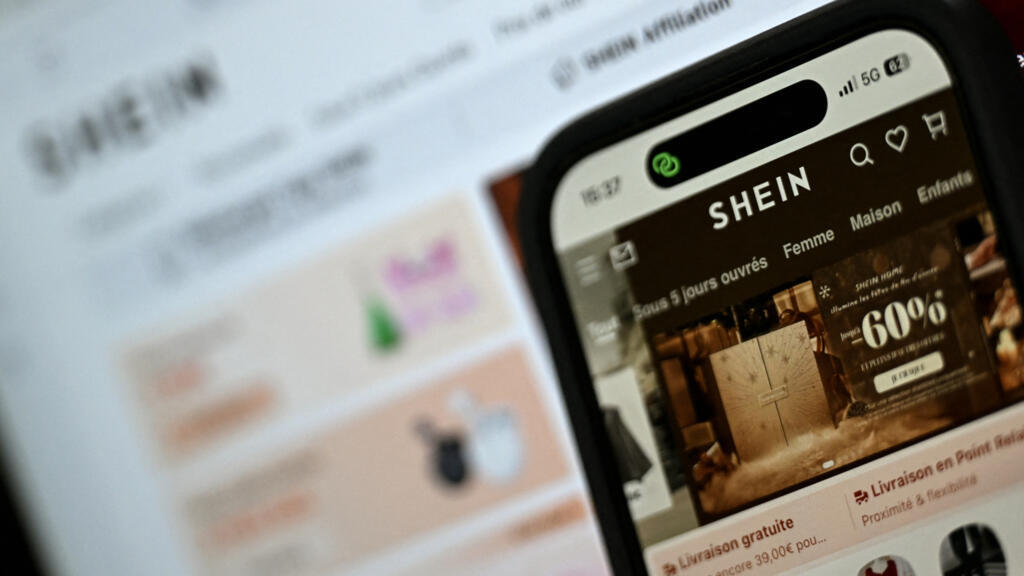
In a move that signals a significant escalation of Europe’s scrutiny of ultra-fast fashion, French lawmakers are urgently calling for the European Union to enact sweeping regulations targeting the online retail platform Shein. This political offensive coincides with the controversial inauguration of Shein’s first-ever physical store, located in the heart of Paris, and follows a deeply troubling investigation into the sale of child-like sex dolls on its platform.
A Political Firestorm Ignites in Paris
The French government has officially triggered a procedure to suspend Shein’s operations within its jurisdiction. The announcement, delivered with palpable gravity, came on the very same day the Chinese-founded retailer celebrated the global launch of its flagship Parisian store. The timing was undoubtedly strategic, casting a long shadow over the company’s ambitious physical expansion into Western markets. For many observers, it was a clear message: France will not roll out the red carpet for businesses whose practices conflict with its regulatory and ethical standards.
“This isn’t just about one store or one product,” a parliamentary aide, who spoke on condition of anonymity, confided. “It’s about establishing a precedent. We are staring at a business model that challenges the very fabric of our consumer protection laws, environmental commitments, and social values. A piecemeal, national approach is insufficient; we need a fortress of European regulation.”
The Catalyst: An Investigation into Abhorrent Products
The immediate catalyst for the political uproar was the opening of a formal investigation by French authorities. The probe focuses on Shein’s alleged facilitation of the sale of sex dolls designed to resemble children. The existence of such products on the platform has provoked outrage and disgust across the political spectrum and among child protection advocacy groups.
How could a platform of such global reach fail to filter out such blatantly illicit and harmful items? This is the question echoing through the halls of the National Assembly. The investigation has become a powerful symbol of the perceived systemic failures in Shein’s content moderation and supply chain oversight, providing lawmakers with a concrete and emotionally charged case to bolster their call for action.
The Bigger Picture: Unpacking the Fast Fashion Dilemma
While the investigation into the sex dolls is the immediate flashpoint, the French MPs’ concerns are far broader. Shein, along with its competitor Temu, has come to epitomize the rise of ‘ultra-fast fashion’—a model built on hyper-speed production, rock-bottom prices, and a relentless churn of new styles. Critics argue this model carries an untenable cost.
Environmental Impact: The staggering volume of low-quality, disposable clothing contributes significantly to textile waste and pollution. The carbon footprint of shipping countless small, individual packages from warehouses in China to consumers across Europe is another major point of contention in an era focused on sustainability.
Data and Consumer Practices: European regulators are also deeply wary of the vast amounts of consumer data these platforms collect. Questions about data security, privacy compliance with the General Data Protection Regulation (GDPR), and the use of manipulative digital marketing tactics are central to the debate.
Market Distortion: There are also concerns about a regulatory imbalance. European businesses are bound by strict environmental and labor laws, while offshore platforms like Shein appear to operate with a significant cost and regulatory advantage, creating an unlevel playing field.
Why an EU-Wide Solution is Deemed Necessary
France’s move to suspend Shein nationally is a bold step, but its lawmakers recognize its limitations. In a single digital market, a ban in one country can easily be circumvented by consumers accessing the platform from another member state. A fragmented approach is like trying to hold back the tide with a sieve.
The call to the European Union is a call for a unified front. French MPs are pushing for the European Commission to consider new digital services legislation specifically tailored to address the unique challenges posed by giant online marketplaces. This could encompass:
- Stricter Due Diligence: Mandating robust, real-time checks on third-party sellers and products listed on their platforms.
- Supply Chain Transparency: Forcing companies to disclose environmental and labor practices deep within their manufacturing networks.
- Extended Producer Responsibility (EPR): Ensuring these platforms contribute financially to the collection and recycling of the waste their products generate in Europe.
- Data and Algorithmic Audits: Providing regulatory bodies with the power to audit data practices and the algorithms that drive consumer engagement.
A Defining Moment for E-Commerce Governance
The standoff in Paris is more than a local dispute; it is a microcosm of a global struggle to govern the borderless world of e-commerce. As digital behemoths continue to blur the lines between retailer, platform, and data broker, regulators are playing catch-up.
The outcome of France’s push for EU action will be closely watched worldwide. Will Europe succeed in crafting a regulatory framework that tames the excesses of ultra-fast fashion without stifling digital innovation? The answer will set a critical benchmark for how democracies choose to balance economic opportunity with ethical responsibility, environmental sustainability, and the protection of their most vulnerable citizens in the 21st century.
Source: RFI