

Mali’s Press Under Pressure: Two Northern Journalists Arrested, One Released, Amid Accusations of ‘Displeasing’ the Authorities
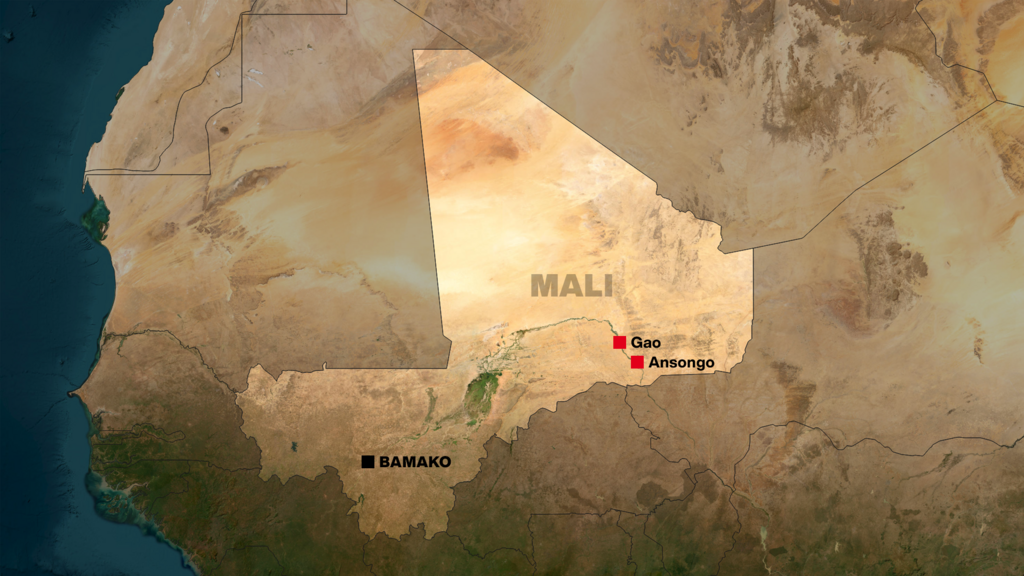
In a troubling development for press freedom in Mali, two prominent journalists from the restive northern regions were detained by state security forces this week. The arrests of Malick Aliou Maïga and Youssoufa Moussa Touré have sent a chilling message through the country’s media community, raising urgent questions about the space for independent reporting under the current Transitional authorities.
A Coordinated Crackdown in the North
The events unfolded on Wednesday, November 5th, in a seemingly coordinated operation across two northern cities. In the regional capital of Gao, security personnel apprehended Malick Aliou Maïga, a well-respected figure who runs the Aadar Koïma radio station. Simultaneously, several hundred kilometers away in the town of Ansongo, forces detained his colleague, Youssoufa Moussa Touré, the director of the Aadar Koukia radio station.
Both men are influential voices in their communities, known for their commitment to local reporting in areas often neglected by national media. Their sudden incarceration, without immediate public explanation, sparked concern and confusion. The situation took a partial turn on Thursday, November 6th, when Malick Aliou Maïga was released from custody. The circumstances of his release remain as opaque as those of his arrest. As of this reporting, Youssoufa Moussa Touré’s fate is unknown, his continued detention casting a long shadow over the incident.
The Unspoken Accusation: Broadcasting ‘Displeasing’ Information
What crime did these journalists commit? The Malian authorities have maintained a stony silence, issuing no official statements or charges. However, local sources with knowledge of the situation, contacted by RFI, indicate that the arrests are linked to the broadcast of information that displeased the Transitional government.
This vague accusation is a familiar refrain in nations where press freedoms are eroding. It acts as a catch-all justification for silencing critical voices without the need for formal legal proceedings. The specific content that triggered the state’s ire has not been disclosed, leaving room for speculation and fostering an environment of self-censorship among other reporters. When the act of ‘displeasing’ those in power becomes a detainable offense, the very foundation of a free press begins to crumble.
A Broader Pattern of Media Intimidation
To view these arrests in isolation would be to misunderstand the current climate in Mali. This incident is not an anomaly but rather the latest symptom of a deepening crackdown on dissent and independent journalism. Since the military junta consolidated power, the operating space for civil society and the media has progressively narrowed.
Journalists in Mali are increasingly finding themselves walking a tightrope, navigating a complex web of political sensitivities and security threats. Reporting on the activities of armed groups, corruption, or even civilian casualties in the long-running conflict can be deemed a threat to national security. The arrest of Maïga and Touré serves as a stark reminder to all Malian journalists: step out of line, and the consequences will be swift and severe.
But what is the cost of this silence? For the citizens of Gao and Ansongo, local radio stations like Aadar Koïma and Aadar Koukia are often the primary, if not the only, source of reliable information. They provide vital updates on security, community events, and local governance. When these voices are stifled, communities are left in the dark, unable to make informed decisions about their lives and safety.
The International Context and a Nation’s Future
Mali’s relationship with the international community is already strained, following the departure of UN peacekeeping forces and the tightening of its alliance with Russia. Actions that further undermine democratic norms, such as the arbitrary detention of journalists, will only deepen this isolation. International press freedom organizations are likely to condemn these arrests, placing Mali’s human rights record under renewed scrutiny.
The release of Malick Aliou Maïga is a positive step, but it is a half-measure. The continued detention of Youssoufa Moussa Touré without charge is unacceptable. The Malian authorities must immediately clarify the legal basis for these arrests, release Touré unconditionally, and reaffirm their commitment to the fundamental right of freedom of expression. A nation battling immense challenges cannot afford to silence the very voices that can illuminate its path forward.
The story of Maïga and Touré is more than a news item; it is a bellwether for the health of Malian democracy. The question now is whether this is a temporary setback or a sign of a more permanent shift towards authoritarian control. The world is watching.
Source: RFI Français