

South Africa’s GBV National Shutdown: Activists Push Back Against ‘Keyboard Warrior’ Criticism
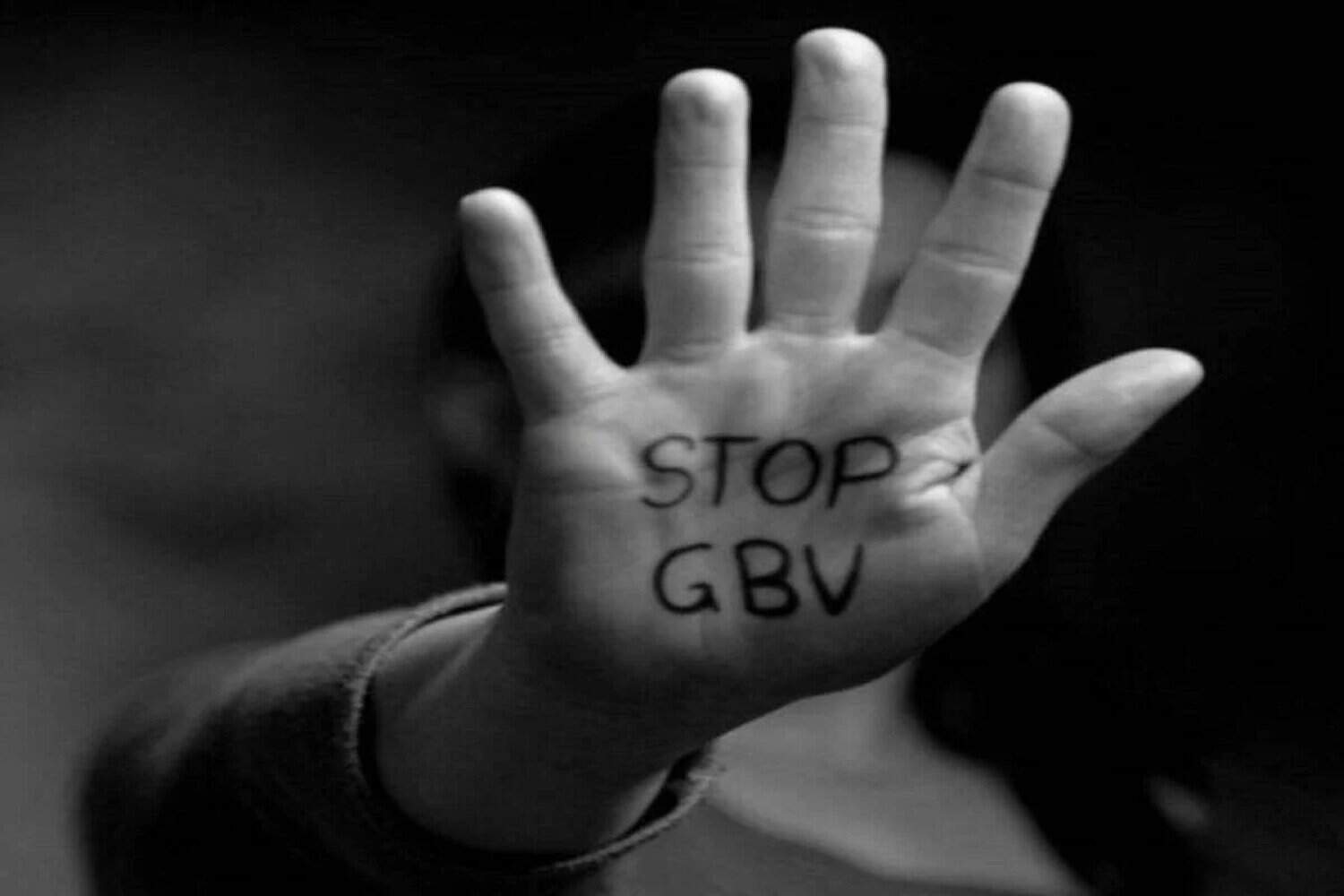
As South Africa prepares to host global leaders for the G20 Summit, a different conversation is dominating national discourse—one about survival, safety, and the urgent need to address gender-based violence. On Friday, 21 November, women and LGBTQI+ community members across South Africa are being called to participate in a nationwide shutdown, organized by Women for Change, to protest the country’s escalating gender-based violence crisis.
A Movement Gains Momentum Amidst Criticism
The movement has captured national attention, with its petition attracting over 880,000 signatures by Tuesday afternoon. Yet the planned action has sparked fierce debate about the nature of modern activism, with critics dismissing participants as “keyboard warriors” engaged in performative activism that will only make noise on social media.
Women for Change maintains that discussions of growth and progress at the G20 Leaders Summit ring hollow while gender-based violence continues to claim lives at an alarming rate. “Until South Africa stops burying a woman every 2.5 hours, the G20 cannot speak of growth and progress,” the organization stated. “We demand that Gender-Based Violence and Femicide be declared a National Disaster. Not tomorrow. Not at another summit. Now.”
Key Demands: Beyond Symbolic Gestures
The organization’s demands include stricter opposition to bail in gender-based violence cases, life imprisonment without parole for those convicted of gang rape, femicide, and child sexual abuse or murder, and immediate disciplinary action against public officials who mishandle cases.
Perhaps most critically, the group demands urgent allocation of resources to implement the National Strategic Plan (NSP) on Gender-Based Violence and Femicide 2025-2030. Introduced in 2020, the NSP was organized around six pillars aimed at preventing GBV, strengthening criminal justice responses, and providing support to survivors.
According to Brenda Madumise-Pajibo, director of Wise4Afrika, implementation has fallen short. “The biggest obstacle to the implementation of the NSP has been a total failure to fund it at the level required and expected,” she told The Citizen. “It also failed to drive the interventions and responses consistently and constantly.”
The Performance Activism Debate
The shutdown has divided social media users, with critics arguing that online support won’t translate to real-world action and that the activism will fade once the hype dies down. But supporters counter that digital mobilization represents a necessary first step toward tangible change.
GBV activists supporting the movement have firmly dismissed claims of performative activism. Madumise-Pajibo emphasized the importance of sustained engagement beyond the shutdown itself, stating that the goal is to create “an engaged citizenry beyond the 21 November that will demand accountability from both themselves and those in leadership positions.”
She elaborated on the campaign’s broader vision: “The campaign aims to produce people who stand up against injustice when they witness it, being upstanders when a woman is victimized, when a woman is sexually harassed in the workplace, in the church, in a taxi or taxi rank.”
Declaring GBV a National Disaster: Practical Considerations
Madumise-Pajibo argued that GBV should have been declared a national disaster when the president first referred to it as a pandemic and national crisis. However, Lisa Vetten from the Gauteng Care Crisis Committee offered a more cautious perspective.
“My research and day-to-day work with NGOs suggests that government is struggling to effectively implement much of the existing legislation and policy addressing GBV,” Vetten explained. “And because the economy is also struggling, the infrastructure and resources needed to support key interventions are also not available. Declaring GBV a national disaster is unlikely to address these two problems.”
Vetten also highlighted economic realities facing many women, noting that “for women whose livelihoods are survivalist and precarious, a day out of work is unlikely to be something they can afford.”
She stressed the need for thorough assessment: “What would be important for the future is a thorough assessment of what has worked, what has been ineffective, and why. That kind of analysis would help identify targeted, effective strategies for civil society and the state.”
How to Participate in the Shutdown
According to Women for Change, anyone, including men, can participate by withdrawing their labor for the day—both paid and unpaid. Participants are encouraged to refrain from spending money and withdraw from the economy for the entire day.
The organization is calling for a 15-minute Standstill at 12pm, where participants lie down to honor the 15 women murdered every day and bring South Africa to a complete halt. Supporters are urged to share information widely using the hashtag #WomenShutdown to make the movement impossible to ignore.
On the day of the shutdown, participants are encouraged to wear black as a symbol of mourning and resistance and change their profile pictures to purple to maintain online visibility.
Government Response and Broader Context
Despite the shutdown occurring the day before the G20 summit begins, Gauteng Premier Panyaza Lesufi has warned against any disruptions. “We are calling on those who are hell-bent to disrupt this event and do wrong things. Our guests are coming, hold yourselves,” he said.
The movement has already seen tangible expressions of support, with students in Braamfontein taking to the streets on Monday night to show solidarity. As the nation stands at this crossroads between international diplomacy and domestic crisis, the shutdown represents a critical test of whether digital activism can translate into meaningful political pressure and, ultimately, save lives.