

Huawei’s Autonomous Network Vision: From Human-Led to AI-Driven Operations
In a significant industry address, Huawei has laid out a comprehensive roadmap for transitioning network operations from human-managed systems to fully autonomous, AI-driven environments. The announcement, made at the OTF Africa 2025 forum, signals a fundamental shift in how telecommunications infrastructure could be managed in the coming years.
The Foundation: Blending Operational Expertise with AI
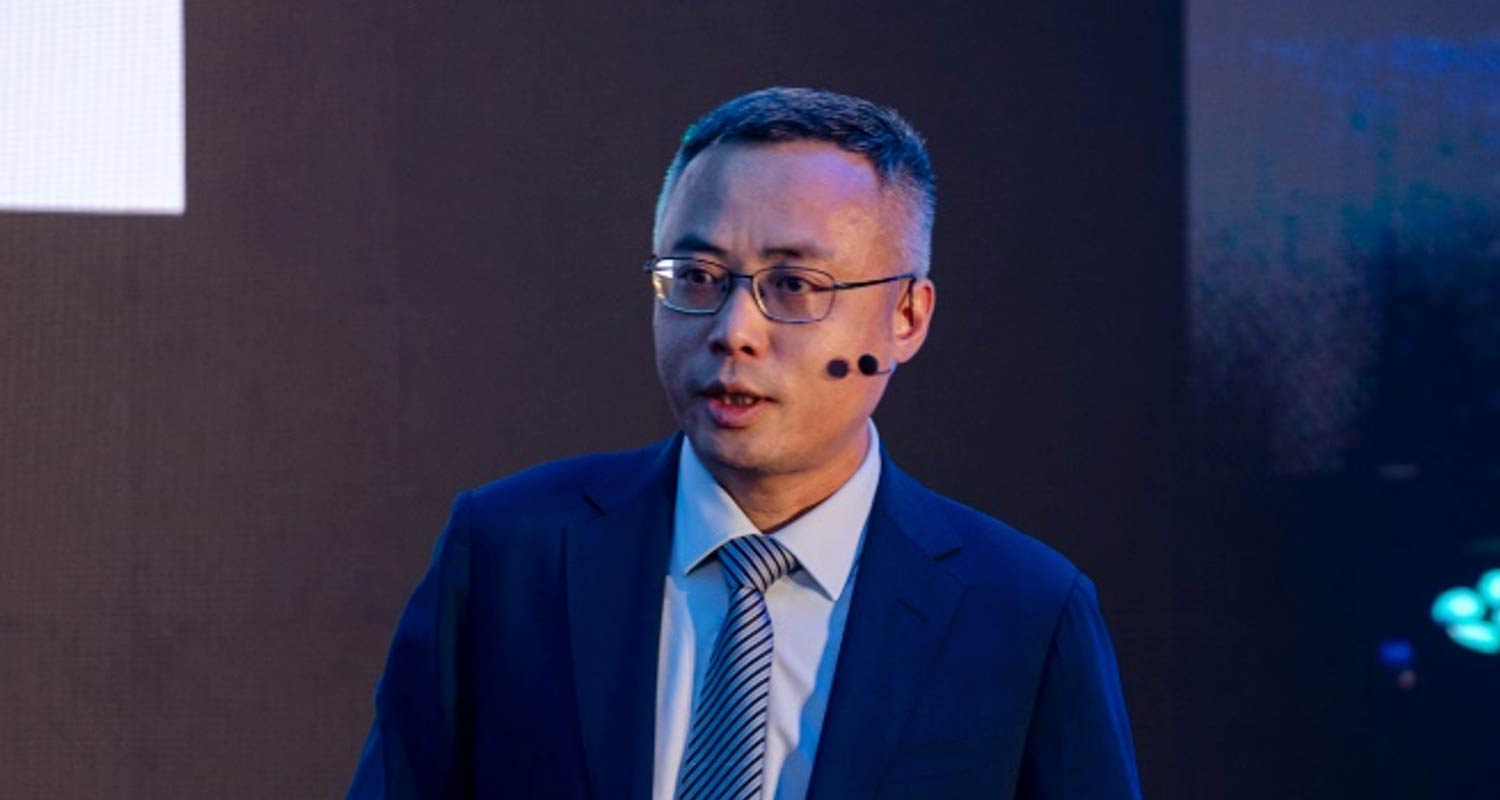
According to Lucas Lu, Director of Huawei’s ICT Assurance and Managed Services Department, the journey toward autonomous networks requires more than just advanced technology. The successful integration of deep operational experience with emerging AI capabilities forms the critical foundation for this transformation.
“While the industry widely acknowledges the potential of large AI models to revolutionize operations and maintenance, the ultimate success depends on merging decades of operational knowledge with cutting-edge technology,” Lu explained during his keynote speech titled “Accelerate service-centric intelligent operations transformation.”
Huawei’s Three-Pillar Technical Architecture
Huawei’s solution rests on three interconnected technical pillars that represent a departure from traditional network management approaches:
1. Converged Technological Foundation
The architecture deeply integrates digital twin networks, large language models, and agentic AI to create a comprehensive intelligent operations system. This combination allows for real-time network simulation, natural language processing for operational commands, and autonomous decision-making capabilities.
2. Practical Application Scenarios
Beyond theoretical framework, Huawei has developed specific applications that demonstrate tangible efficiency improvements. These innovations are already transforming core operational processes and establishing new benchmarks for network management performance.
3. Paradigm Shift in Operations Model
The most profound implication lies in the fundamental change to operational dynamics. The solution enables a historic transition from ‘tools assisting humans’ to ‘humans assisting intelligent agents,’ essentially flipping the traditional relationship between operators and their systems.
Industry Implications and Future Trajectory
This shift toward autonomous operations represents more than just technological advancement—it potentially redefines the role of network engineers and operations teams. Rather than replacing human expertise, the system aims to elevate it, allowing professionals to focus on strategic oversight while intelligent agents handle routine operations and complex problem-solving.
Huawei has committed to three strategic initiatives to advance this vision: leading industry innovation through continued research, contributing to standardization efforts, and establishing thought leadership through collaborative knowledge sharing.
The company emphasizes that digital transformation represents an ongoing journey rather than a destination. Through open collaboration with standards organizations and carrier partners, Huawei aims to collectively advance toward a new era of intelligent, autonomous network operations that could redefine reliability and efficiency standards across the telecommunications industry.
This report is based on information originally published by TechCentral.