

Beyond the Prize: How Madagascar’s Ampela Trophy Signals a Strategic Shift in Women’s Economic Empowerment
Analysis: A landmark banking initiative moves beyond microfinance to build a holistic ecosystem for women-led businesses, with implications for the nation’s economic future.
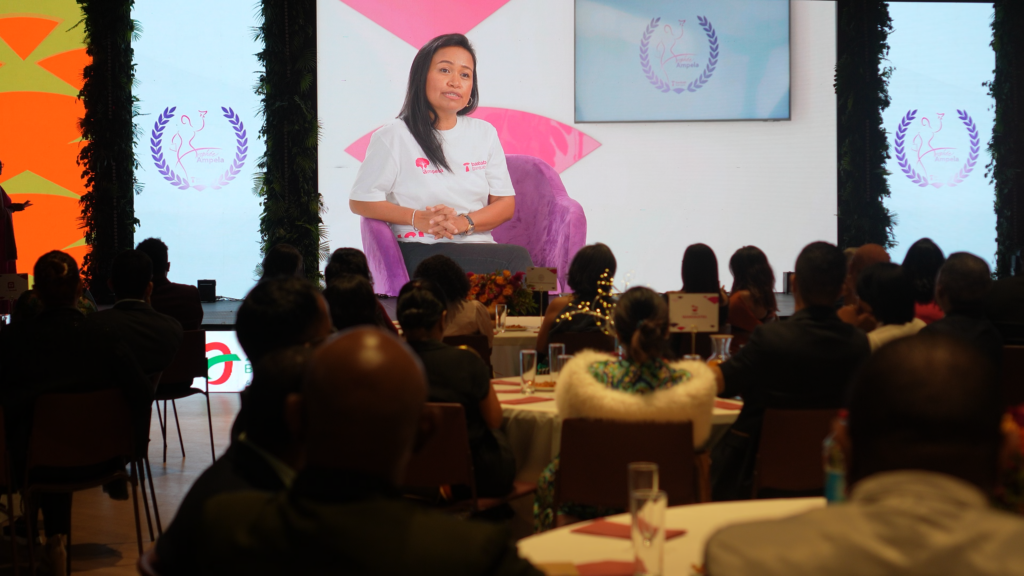
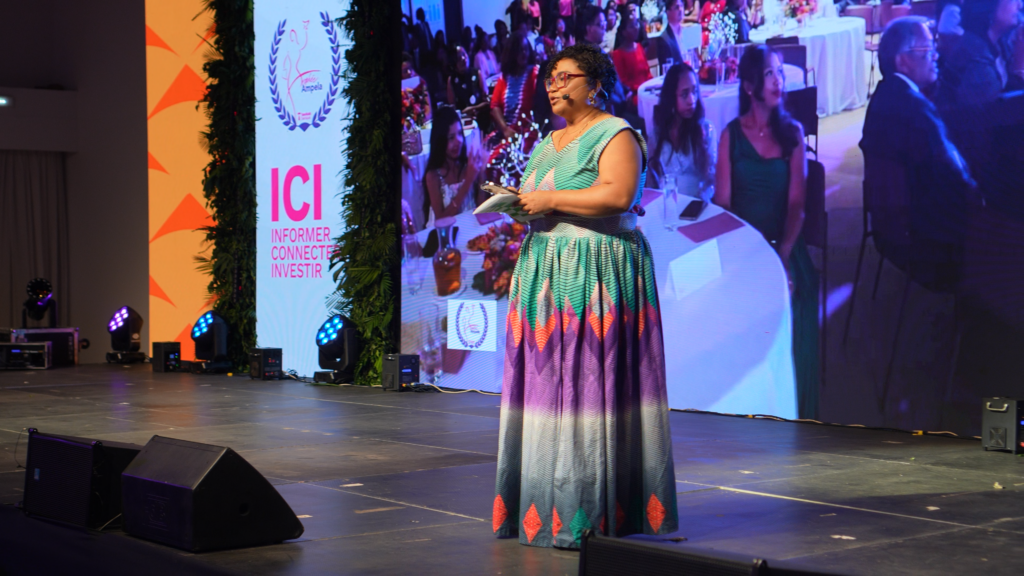
The glittering ceremony at the Novotel Convention and Spa in Antananarivo on December 11, 2025, which crowned Razafitianarisoa Landricya as the inaugural Ampela Amazone, was more than a celebration of individual success. It represented the maturation of a strategic blueprint for women’s entrepreneurship in Madagascar, moving the conversation from simple access to credit toward building a comprehensive support infrastructure. According to a report by Midi Madagasikara, this first Ampela Trophy, hosted by Baobab Bank Madagascar, culminated a nationwide competition involving 506 participants, spotlighting a deliberate shift in how financial institutions are engaging with female economic potential.
The AMPELA Framework: A Three-Pillar Model for Sustainable Growth
What distinguishes the Ampela Trophy from standalone grant programs is its foundation within the broader AMPELA initiative, launched in 2023. As detailed in the source report, the program is built on a triad of inform, connect, and invest. This structure acknowledges that capital alone is insufficient.
The “inform” pillar addresses the critical skills and knowledge gap through targeted training. The “connect” component seeks to dismantle the isolation many women entrepreneurs face by fostering national and international networks. Finally, the “invest” axis provides the tailored financial products. This holistic approach suggests a recognition that empowering women’s businesses requires systemic intervention, not just transactional lending.
Decoding the Winners: A Snapshot of Madagascar’s Emerging Economic Sectors
The categories and winners of the trophy offer a revealing lens into the sectors where women are driving innovation and where stakeholders see growth potential. Categories like “Export Excellence,” “Digital Transformation,” and “Made in Madagascar” are not arbitrary. They align closely with national economic development goals.
The grand winner’s project, “From Plantation to Table,” which transforms local cocoa into artisanal chocolate, perfectly encapsulates this synergy. It promotes import substitution, adds value to a raw agricultural product, champions local know-how, and has clear export potential. The award of a 50-million-ariary check plus zero-interest financing indicates backers are betting on scalable, value-chain businesses that can have a multiplier effect on local communities.
The Strategic Rationale: Why Banks Are Investing in Ecosystems
For Baobab Bank Madagascar, initiatives like the Ampela Trophy represent a strategic evolution in client development and risk management. As Managing Director Hugues Bonshe Makalebo emphasized support for women entrepreneurs to boost “local economic development,” the underlying business case becomes clear. By proactively nurturing a cohort of formalized, trained, and networked women-led SMEs, the bank is cultivating its own future pipeline of stable, creditworthy business clients.
This moves beyond corporate social responsibility into long-term market creation. A more robust small business sector diversifies the bank’s portfolio and contributes to the macroeconomic stability essential for financial institutions to thrive.
Challenges and the Road to 2026
While the inaugural edition’s success is notable, the true test of the AMPELA model will be its longevity and measurable impact. Key questions remain: Can the connections forged translate into tangible business partnerships and supply chain integrations? Will the training provided lead to measurable improvements in business survival and growth rates? The announcement of a second edition for 2026 is a positive signal of commitment.
The initiative also enters a complex landscape where cultural norms and access to collateral still disproportionately affect women. The program’s focus on “responsible entrepreneurship” and its national reach, involving regional selections, suggest an awareness of these deeper barriers.
Conclusion: A Blueprint for Inclusive Growth
The Ampela Trophy is more than an awards ceremony. It is a visible manifestation of a growing consensus that women’s economic empowerment is a catalytic investment for national development. By wrapping competition within a sustained framework of support—information, networks, and capital—this model offers a potential blueprint for other economies where women’s entrepreneurial potential remains under-leveraged. The journey of the 506 participants, and particularly the laureates, will now serve as a critical case study in whether such holistic ecosystems can indeed transform “daring and creating” into sustained economic development.
Primary Source Attribution: This analysis was developed using information first reported by Midi Madagasikara in their article, “Ampela Trophy 2025: Baobab Bank Madagascar Celebrates Women’s Entrepreneurship.”