

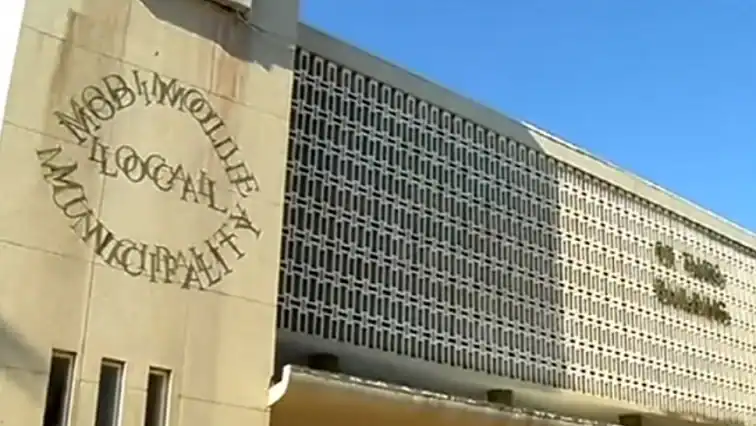
There are concerns that the decision to remove Mayor Sechele Aaron Sebolai was flawed.
The dismissal of Modimolle-Mookgophong Local Municipality Mayor Sechele Aaron Sebolai this week is more than a simple disciplinary action; it is a revealing microcosm of the systemic challenges plaguing South African local government. While an ethics committee found him guilty of misconduct, the process and political backdrop suggest a complex interplay of administrative failure, alleged corruption, and deep-seated factional battles within the governing ANC.
The municipality has been a theatre of protracted political and administrative warfare, a conflict so severe it prevented Mayor Sebolai from attending the recent ANC Waterberg regional elective conference. This detail is crucial: in South Africa’s political landscape, regional conferences are where power brokers are made and allegiances are solidified. Sebolai’s absence signals his probable alienation from the newly elected regional leadership, whose top five officials are reported to have significant differences with him. This context transforms a disciplinary hearing into a potential political purge, where internal party rivalries are settled using municipal governance structures.
Sebolai may not be the only senior figure facing consequences. Municipal Manager Ben Thobela, suspended since June over allegations involving a R25 million loan, is reportedly in line for a ‘golden handshake.’ Such settlements, while legally complex, often serve to avoid drawn-out disciplinary or legal processes, raising questions about accountability for substantial public funds. Furthermore, the director of corporate services is allegedly facing suspension after a staggering R48 million vanished, reportedly paid to service providers and creditors through ‘dubious means.’ This paints a picture of an administration in profound financial distress, where governance collapse and alleged malfeasance create a perfect storm.
Charges against Sebolai
The specific charges against Sebolai, as outlined by the DA, are instructive for understanding municipal governance failures:
- Failure to implement a council resolution: This charge—withholding an appointment letter for the municipal manager—is a classic tactic of political obstruction. It can paralyze administration, create uncertainty, and is often a weapon in battles between political offices and appointed officials.
- Interference in administration: Instructing a bank not to change municipal accounts, leading to late third-party payments, demonstrates direct operational meddling. This disrupts cash flow, damages the municipality’s credibility with suppliers, and can trigger service delivery breakdowns.
- Abuse of power: Authorizing a vehicle rental without council approval is a symptom of a culture of entitlement, where executive authority is conflated with personal privilege, bypassing oversight and supply chain regulations.
- Unlawful instruction on delegations: Ordering the write-off of the mayor’s own municipal account is the most blatant charge, representing a direct and personal abuse of power for financial gain.
After Sebolai declined to respond to these allegations, the ethics committee found him guilty. However, the subsequent council process has become the central controversy.
DA says mayor’s dismissal was flawed
Despite the guilty finding, the Democratic Alliance (DA) argues the dismissal was procedurally ‘flawed’ and ‘uncalled for.’ DA councillor Johnathan Paoli revealed a critical discrepancy: the ethics committee recommended standard sanctions like a formal warning, fine, or removal from committees. Yet, during the council meeting, the ANC, supported by the EFF and FF+, initially moved for immediate dismissal. This leap from recommended sanctions to the most severe penalty is the core of the procedural dispute.
Following DA objections, the council agreed to ‘follow correct procedures,’ but then proceeded to remove Sebolai from the executive committee and install an interim mayor. This contradictory sequence—agreeing to due process while simultaneously executing a removal—suggests a predetermined political outcome dressed in procedural clothing. Paoli warns of ‘serious financial implications,’ likely referring to potential legal costs from an unfair dismissal challenge that a cash-strapped municipality can ill afford.
The DA’s plan to escalate the matter to the Provincial MEC for Cooperative Governance, Basikopo Makamu, highlights the system of intergovernmental oversight designed to curb such local dysfunction. Their statement, “Mayor Sebolai must face the consequences… but correct procedures must be followed,” underscores a fundamental democratic principle: accountability itself must be accountable. Flawed processes undermine the legitimacy of any outcome, even one that may be substantively correct.
In its defense, the municipality stated Sebolai was afforded an opportunity to present his case but declined. The council then accepted the ethics committee’s finding of guilt and its recommendation for removal. This framing presents the action as a straightforward enforcement of rules.
Conclusion: The dismissal of Mayor Sebolai sits at the intersection of three crises: 1) Individual misconduct, as detailed in the charges; 2) Systemic administrative and financial collapse, evidenced by the R48 million scandal and the manager’s suspension; and 3) Destructive factional politics, where party conflicts are fought through municipal institutions, compromising their integrity. The procedural disputes surrounding his removal risk obscuring the substantive allegations and the deeper rot within the municipality. For residents of Modimolle-Mookgophong, the outcome is likely continued instability, as the battle over the mayor’s chair does little to address the vanishing millions or restore basic service delivery. This case is a stark reminder that when governance becomes a proxy for political warfare, the public trust and public purse are the first casualties.