

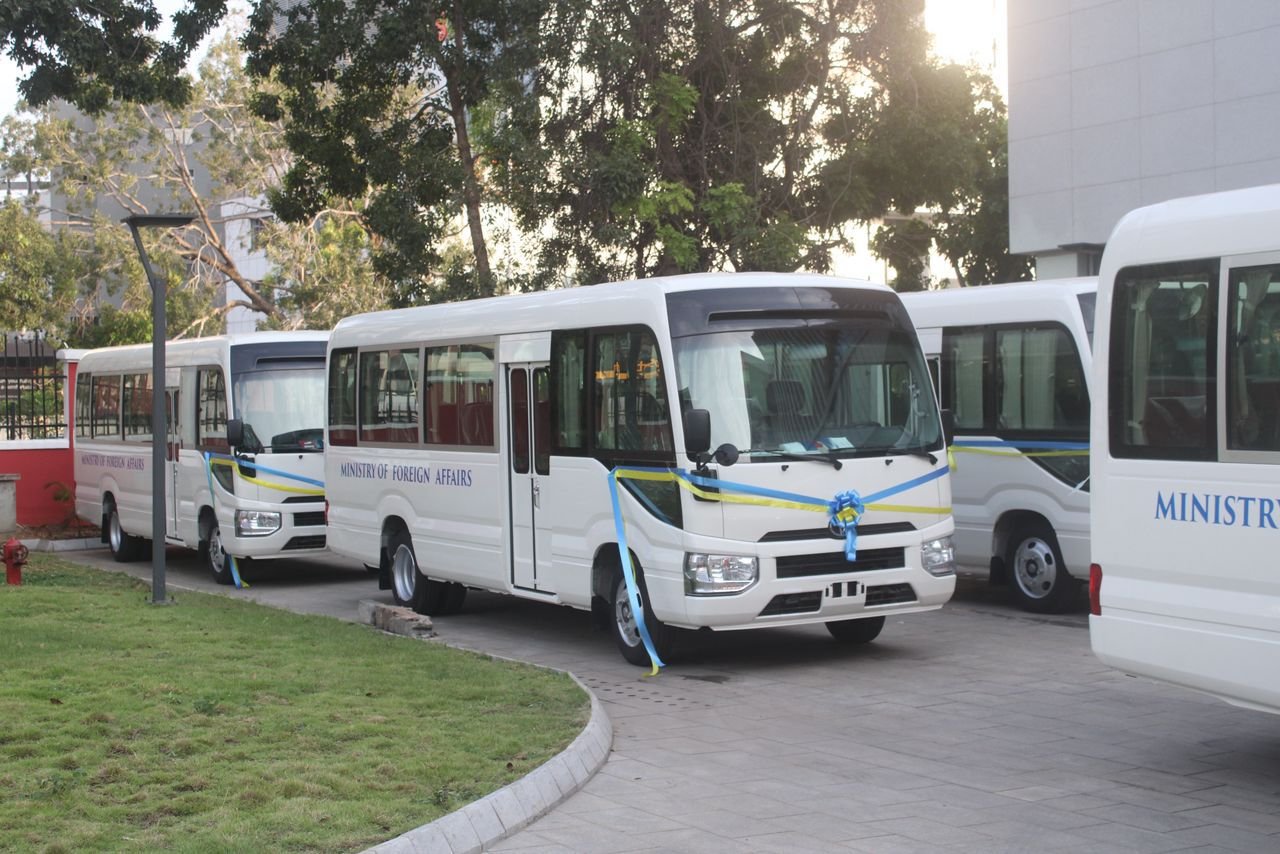
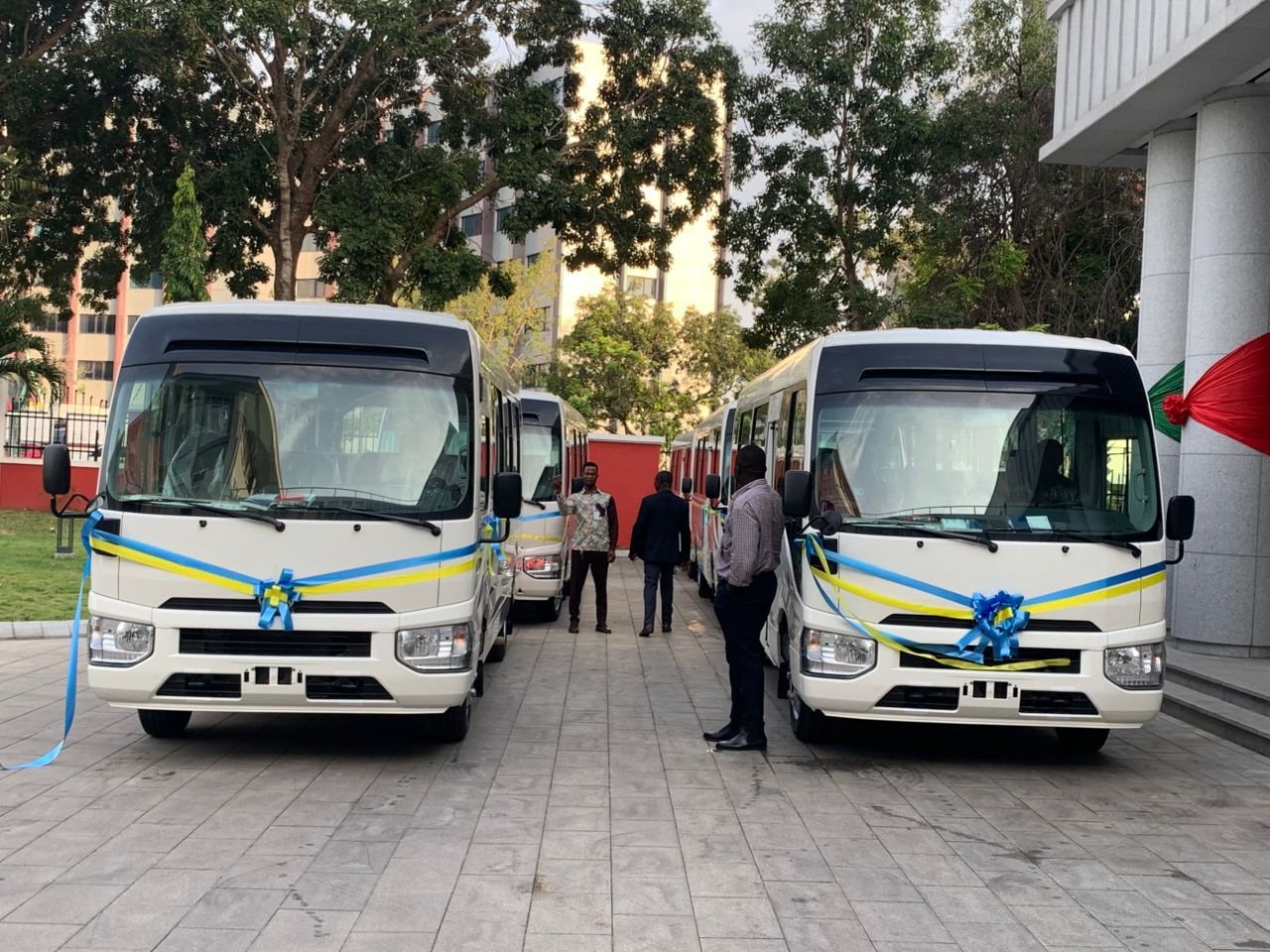
In a strategic move to bolster the backbone of Ghana’s diplomatic corps, the Minister of Foreign Affairs, Samuel Okudzeto-Ablakwa, has officially commissioned a fleet of six new 2025-model Toyota Coaster buses for staff transportation. This initiative, however, transcends a simple procurement exercise; it represents a foundational investment in human capital, directly addressing a critical operational bottleneck to enhance welfare, punctuality, and overall productivity within the Ministry.
The inauguration is a cornerstone of the Ministry’s broader institutional reform agenda, launched at a time when Ghana’s foreign service faces unprecedented global demands. From complex multilateral negotiations to managing diaspora relations and attracting foreign investment, the effectiveness of Ghana’s diplomacy hinges on a motivated, focused, and reliable workforce. This intervention recognizes that the tools of modern diplomacy are not just treaties and communiqués, but the well-being and operational readiness of the diplomats themselves.
The genesis of this project lies in authentic, bottom-up engagement. Upon assuming office, Minister Okudzeto-Ablakwa’s first official act was a listening tour with staff, where transportation emerged as a primary, stress-inducing concern—especially for junior officers. The daily ordeal of navigating Accra’s notorious traffic congestion, characterized by long queues and unpredictable delays, was cited as a major drain on energy and morale, often leaving officers arriving at work already fatigued.
“I recall staff speaking with remarkable candor about the physical and mental toll of the commute,” the Minister stated during the handover ceremony. “This pledge to deliver staff buses within my first year was a direct response to that frank conversation. It was a commitment to easing a very real burden on our most valuable asset: our people.”
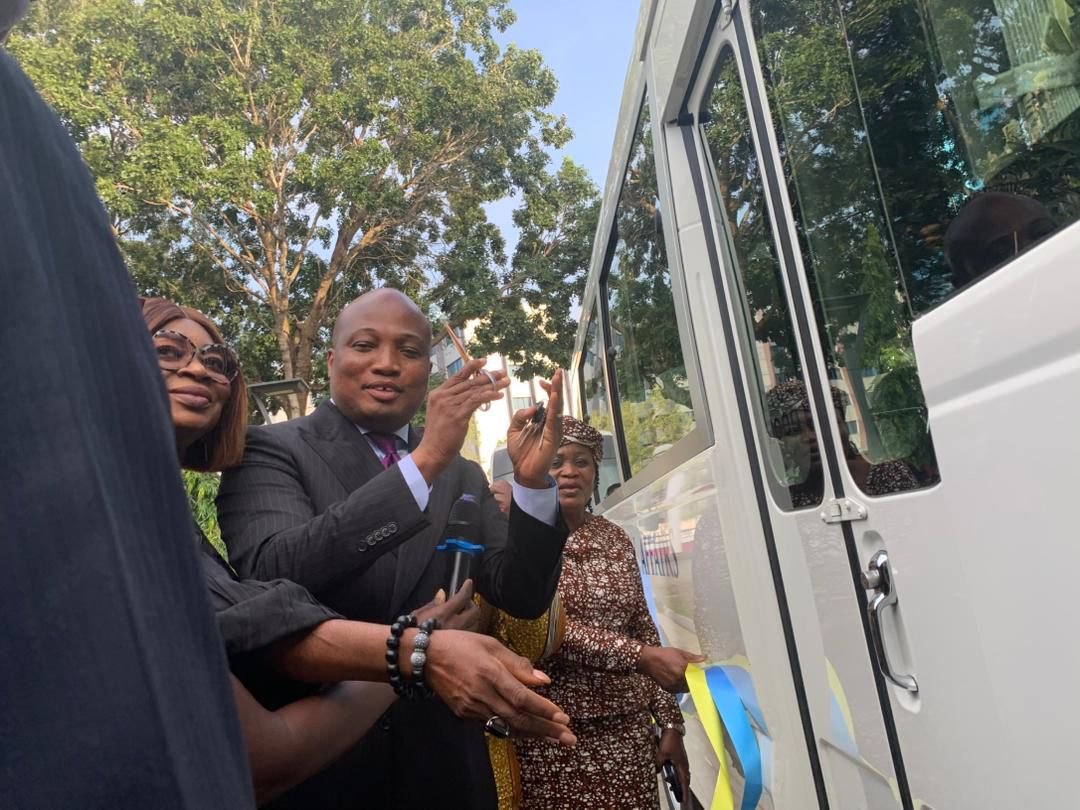
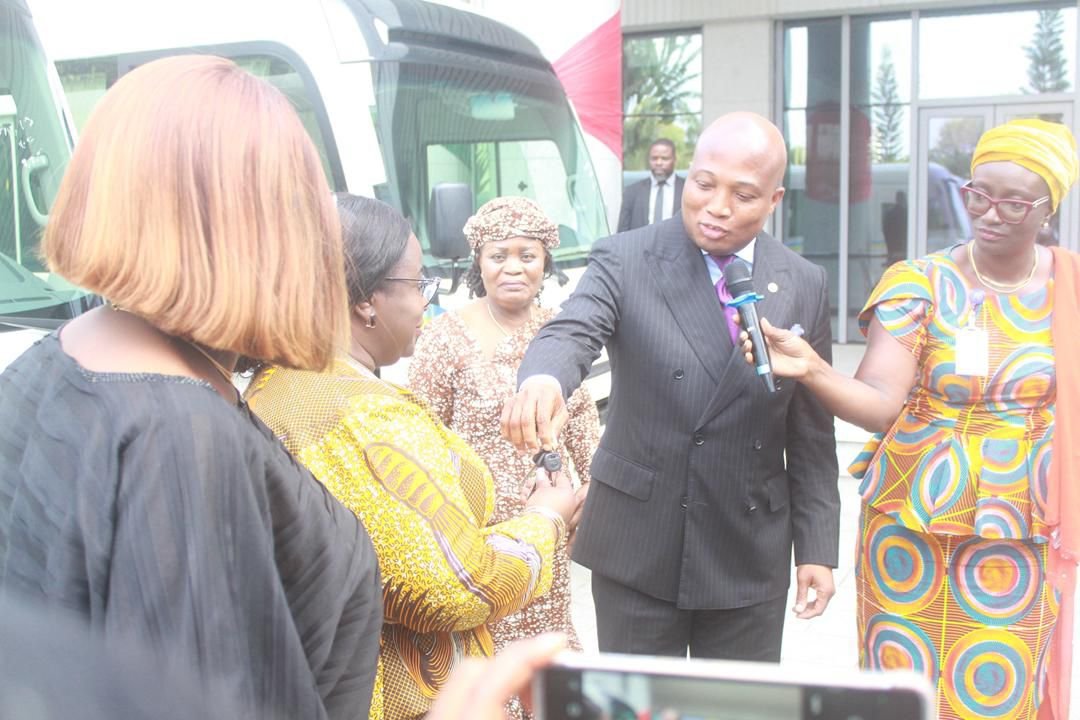
Minister Okudzeto-Ablakwa contextualized the initiative within Ghana’s wider urban mobility challenges. For foreign service officers, whose duties mandate formal attire, mental sharpness, and constant readiness for high-stakes meetings or protocol duties, a chaotic commute is more than an inconvenience—it’s a professional handicap. “I am delighted that we have been able to lift that burden,” he said, highlighting how reliable, air-conditioned transport directly supports the dignified and efficient image Ghana’s diplomacy must project.
The strategic utility of the fleet extends beyond daily commutes. The buses are designated as a dual-purpose asset. They will play a vital role in supporting the Ministry’s logistical and protocol operations, facilitating the movement of visiting international delegations and supporting official events—a critical need during peak diplomatic seasons and end-of-year engagements. This multifunctional approach maximizes the return on investment, turning a welfare tool into an operational asset.
To ensure sustainability, the Minister issued a clear directive for rigorous maintenance, appealing to drivers to uphold safety standards and the Ministry’s reputation. Ambassador Khadija Iddrisu, the Chief Director, and Madam Ninette Ivo of the Estate and General Services Bureau both emphasized strict usage protocols and scheduled maintenance to guarantee the fleet’s longevity. This focus on lifecycle management is crucial, transforming a one-off purchase into a lasting institutional resource.
The anticipated impact is multifaceted. By providing dependable transport, the Ministry expects a direct improvement in punctuality, allowing staff to begin their day focused and prepared. The reduction in commute-related stress is projected to boost morale and mental well-being, which are intrinsically linked to productivity and creativity. Furthermore, the shared commute fosters informal interaction and camaraderie among staff from different departments, potentially breaking down silos and strengthening the institutional culture—a subtle yet powerful benefit of a people-centered policy.
In welcoming the buses, staff members acknowledged their role as custodians, pledging to maintain the vehicles for future colleagues. This response underscores the initiative’s success in fostering a sense of shared ownership and institutional pride. Ultimately, this investment in six Toyota Coasters is not merely about moving personnel from point A to point B. It is a calculated investment in the dignity, efficiency, and operational capacity of Ghana’s foreign service, ensuring that its officers are empowered to represent the nation effectively on the global stage.
BY CECILIA YADA LAGBA