

On Tuesday, December 23, a ceremonial act during the second session of the Confederation of Sahel States (AES) Heads of State College signaled a profound deepening of regional alliances. Malian President General Assimi Goïta elevated Burkina Faso’s Captain Ibrahim Traoré—alongside Niger’s President—to the dignity of Grand Cross of the National Order of Mali, the nation’s highest honor. This was far more than a diplomatic courtesy; it was a potent political symbol exchanged at a critical geopolitical juncture.
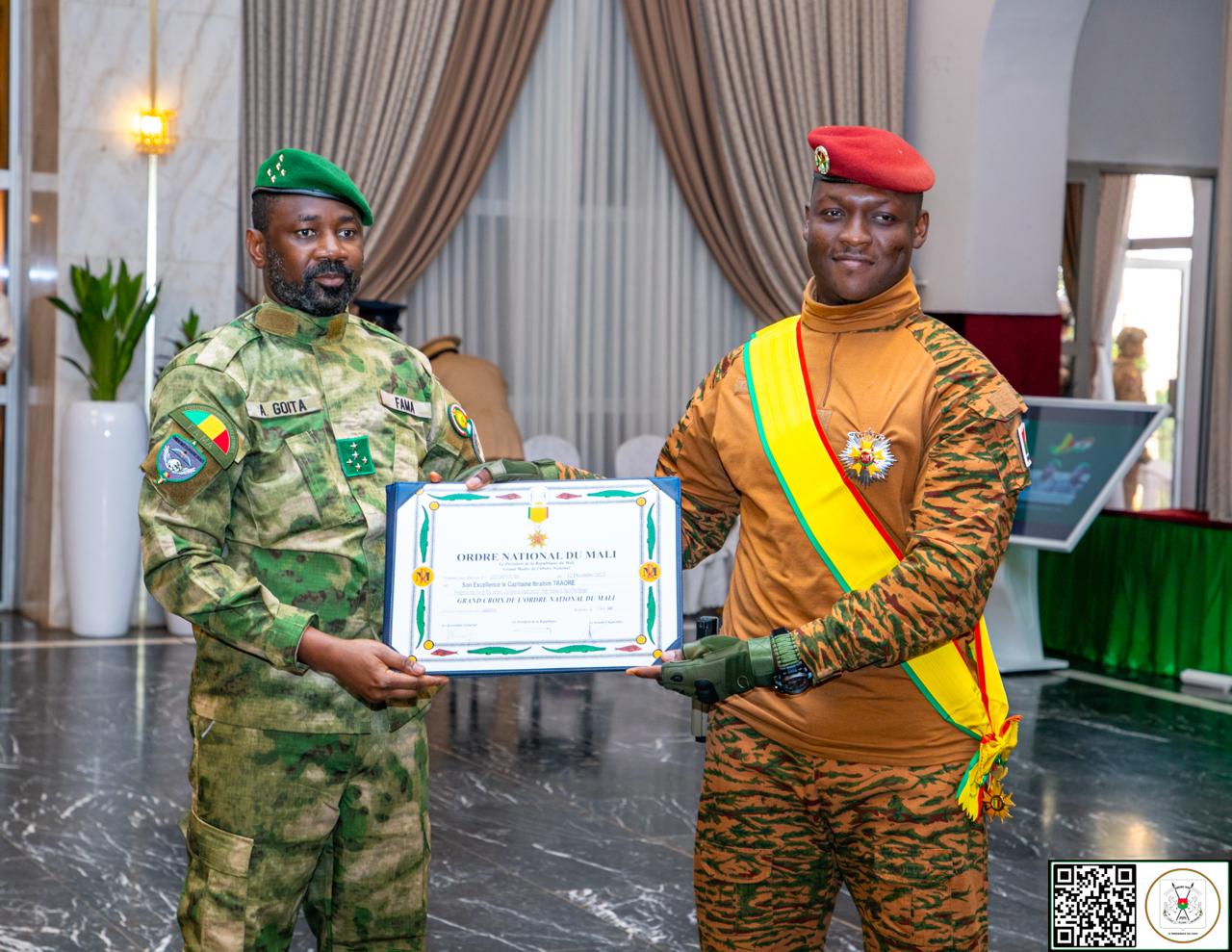
The award explicitly acknowledges the “efforts and commitment” of Capt. Traoré in the collective “march towards sovereignty and shared development.” To understand its weight, one must consider the context: the AES (Alliance of Sahel States), formed by Mali, Burkina Faso, and Niger in September 2024, is a defiant pivot away from traditional Western partners like France and the ECOWAS bloc. Its core mission is military cooperation, economic integration, and ideological solidarity in the face of jihadist insurgencies and perceived external interference. Bestowing a state’s premier honor on a fellow leader is a classic tool of kinetic diplomacy, designed to cement personal bonds between regimes and project an image of unbreakable unity to both domestic audiences and international observers.
This recognition is a mirror reflecting the exemplary and strategically vital nature of relations within the fledgling Confederation. The AES aims to build a “model of successful integration,” but unlike economic unions, its foundation is arguably shared security trauma and a common political vision of anti-colonial nationalism. The medal ceremony serves as a public ritual reinforcing this shared identity. It signals that contributions to the collective security project—such as Traoré’s aggressive stance against insurgents and his vocal leadership in rejecting foreign military bases—are valued as highly as achievements within one’s own borders.
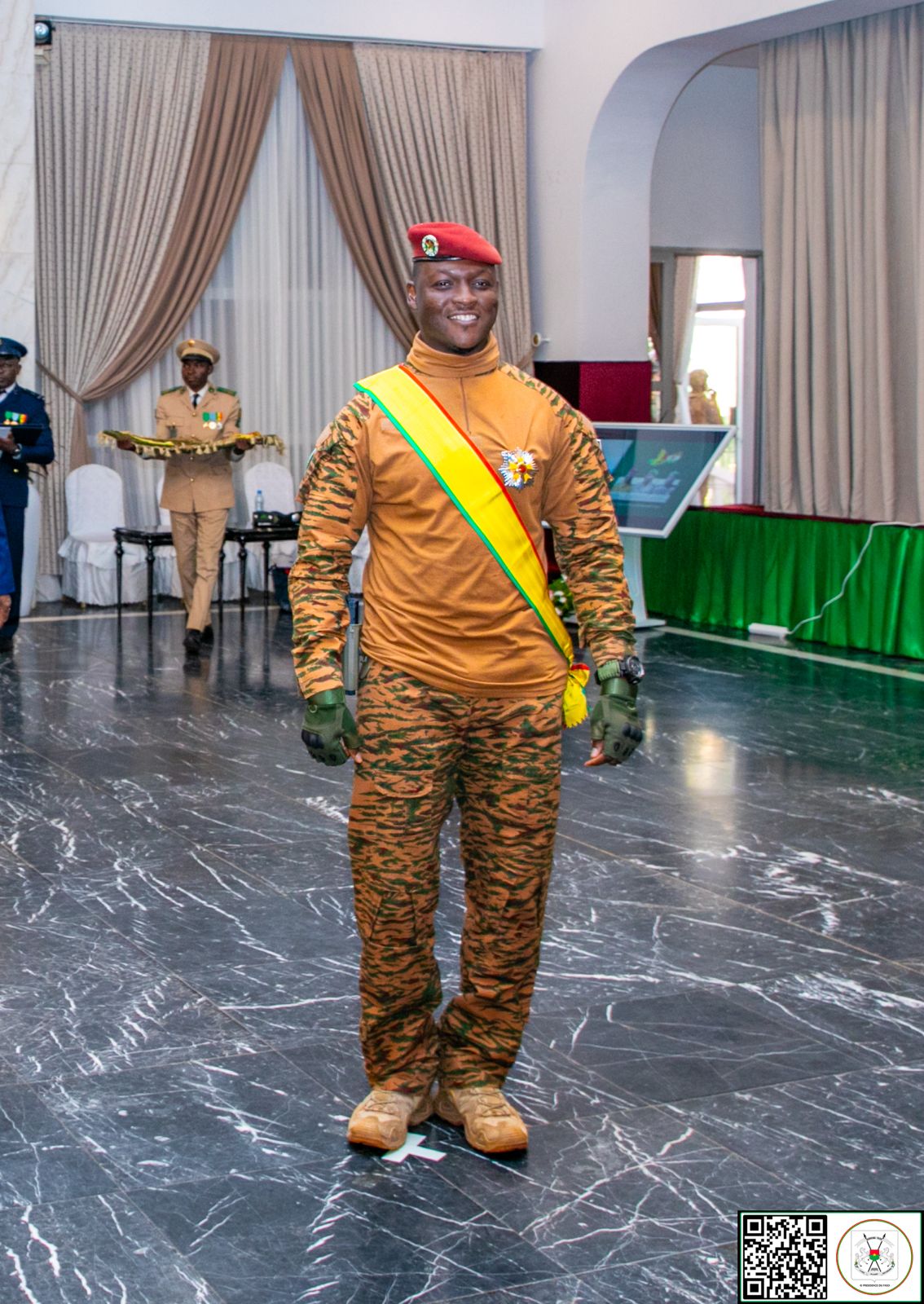
Practical Implications and Broader Context: Awards like this serve multiple functions. Internally, they bolster Traoré’s stature as a regional leader, validating his costly strategic choices. Externally, they telegraph to organizations like ECOWAS and the international community that the AES partnership is operational and its bonds are personal, not just bureaucratic. The timing, during a formal summit session, underscores that sovereignty and mutual recognition are the cornerstones of this alliance. The challenge ahead for the AES will be to translate this symbolic solidarity into tangible, cross-border infrastructure, joint economic ventures, and effective, unified military command structures to secure the troubled Sahel region.
Lefaso.net
Source: Communication Directorate of the Presidency of Faso