

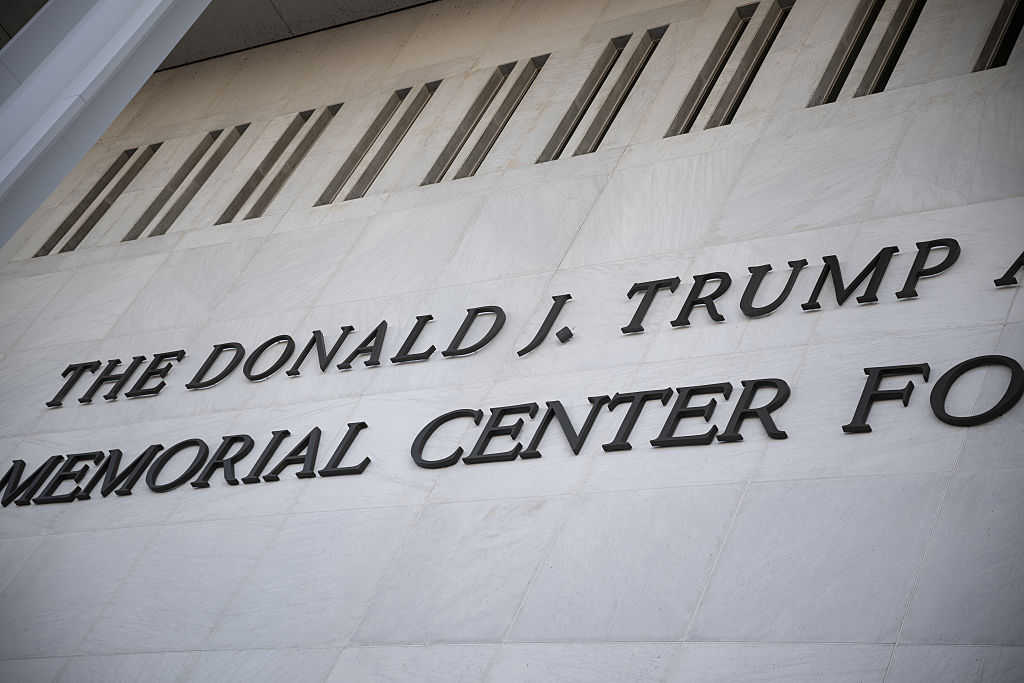
A growing wave of artists is withdrawing from performances at the John F. Kennedy Center for the Performing Arts, following a controversial board decision to rename the institution in honor of former President Donald Trump. This move, seen by critics as an unprecedented politicization of a national cultural monument, has ignited a fierce debate about artistic integrity, institutional independence, and the legacy of President John F. Kennedy.
The renaming process itself is a central point of contention. In 2024, President Trump replaced the traditionally bipartisan Kennedy Center board with political loyalists. This new board subsequently voted to add his name to the institution, a decision opponents argue violates the 1963 federal law that established the Center as a “living memorial” to President Kennedy. Legal experts note the law states the Center’s purpose and name are tied to this memorial function, suggesting congressional action may be required for a formal change. A lawsuit filed by Rep. Joyce Beatty (D-Ohio) and supported by other Democratic lawmakers on the board challenges the renaming on these precise grounds.
The artistic exodus began with jazz drummer and vibraphonist Chuck Redd, who canceled his scheduled Christmas Eve concert. In response, Kennedy Center President Richard Grenell, a former Trump administration official, threatened to seek $1 million in damages from Redd, calling the cancellation a “political stunt” and “classic intolerance.” This aggressive stance, rather than quelling dissent, appears to have galvanized further action.
Since then, other performers have followed. The acclaimed jazz ensemble The Cookers canceled their New Year’s Eve performance. While not explicitly citing the name change, their statement powerfully connected jazz’s historical roots to the present moment: “Jazz was born from struggle and from a relentless insistence on freedom: freedom of thought, of expression, and of the full human voice… Our hope is that this moment will leave space for reflection, not resentment.”
Singer Kristy Lee, who canceled a January show, was more direct, stating, “When American history starts getting treated like something you can ban, erase, rename, or rebrand for somebody’s ego, I can’t stand on that stage and sleep right at night.” Her comment underscores a fear among artists that the renaming is part of a broader pattern of historical revisionism and the instrumentalization of cultural institutions for political legacy-building.
Love NewsOne? Get more! Join the NewsOne Newsletter
Kennedy Center leadership has uniformly condemned the cancellations. Spokesperson Roma Daravi argued, “Any artist cancelling their show… over political differences isn’t courageous or principled—they are selfish, intolerant, and have failed to meet the basic duty of a public artist: to perform for all people.” This framing positions the Center as a neutral, public-serving platform, a characterization contested by critics who point to other politically charged actions by the Trump-appointed board, including the reported removal of Pride programming and the historically low ratings for the 2025 Kennedy Center Honors hosted by Trump.
The core conflict lies in two irreconcilable perspectives. The administration views the renaming as a rightful honor for a president who they claim provided “extraordinary efforts to save this national treasure,” likely referring to Trump-era budget proposals and advocacy. Artists and detractors see it as a partisan appropriation that betrays the Center’s founding ethos as a memorial to a president celebrated for his support of the arts and public service. They argue that demanding artists “perform for all people” rings hollow when the institution itself has taken overtly partisan actions, from its board purge to its programming shifts.
The standoff presents a practical dilemma for the performing arts community. The Kennedy Center is a premier national stage with significant reach and resources. Boycotting it carries professional and financial costs, as Grenell’s threat to Redd made clear. However, performing there could be seen as an endorsement of a politicized transformation that many believe compromises the artistic independence the Center was meant to foster.
This controversy transcends a single name change. It serves as a case study in the escalating battle over American cultural institutions, testing the limits of political influence on the arts, the rights of artists to protest through non-participation, and the very meaning of a “living memorial” in a deeply polarized era. The outcome may set a precedent for how future administrations interact with the nation’s cultural landmarks.
SEE ALSO:
GOP Votes To Name Kennedy Center Opera House After Melania Trump
Gloria Gaynor Outed As MAGA Donor Following Trump Kennedy Center Honor