

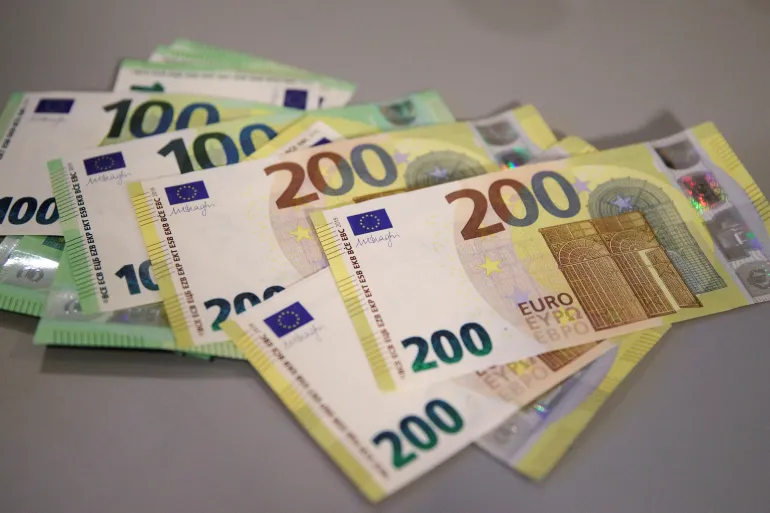
On January 1, 2026, Bulgaria formally adopted the euro, marking a pivotal moment in its post-communist economic integration and becoming the 21st member of the Eurozone. This transition, occurring nearly two decades after the country’s 2007 accession to the European Union, signifies the culmination of a rigorous and protracted convergence process.
The nation of approximately 6.5 million people has retired its historic national currency, the Bulgarian lev (BGN), which had been a symbol of monetary sovereignty since its introduction in 1881. The lev, which was pegged to the German Deutsche Mark and later the euro for over two decades under a currency board arrangement, has now been fully replaced. This move represents more than a simple currency swap; it is a strategic commitment to deeper European financial and political structures, aimed at enhancing economic stability, attracting foreign investment, and reducing transaction costs for both businesses and citizens.
Bulgaria’s path to the euro was uniquely structured. Unlike other recent adopters, it entered the EU’s Exchange Rate Mechanism II (ERM II)—the “euro waiting room”—simultaneously with its Banking Union participation in July 2020. This “close cooperation” model required significant banking sector reforms and supervision by the European Central Bank before euro adoption, a condition designed to ensure financial stability from the outset. The country successfully met the Maastricht convergence criteria on inflation, public debt, deficit, interest rates, and exchange rate stability, albeit with some debate over the sustainability of its low inflation figures in the years leading up to entry.
For the average Bulgarian, the practical changeover involves a dual-display period where prices are shown in both lev and euro, with a fixed conversion rate of 1.95583 lev to 1 euro. This rate, a legacy of the lev’s long-standing peg, is intended to prevent confusion and opportunistic price rounding. Citizens can exchange old lev notes and coins at commercial banks without time limits. Economists anticipate immediate benefits, including the elimination of currency exchange fees for travel and trade within the Eurozone, greater price transparency, and potentially lower borrowing costs as country risk premiums diminish.
However, the adoption is not without its challenges and domestic skepticism. Key concerns include the loss of independent monetary policy, which means Bulgaria can no longer adjust interest rates or devalue its currency to respond to asymmetric economic shocks. There are also fears of “euro inflation,” where the psychological shift to a new currency could lead to unjustified price increases, a phenomenon observed in some previous member states. The success of Bulgaria’s euro adoption will ultimately hinge on its government’s ability to implement prudent fiscal policies and structural reforms to boost productivity, compensating for the surrendered monetary tools.
Bulgaria’s accession reshapes the economic landscape of Southeastern Europe, potentially increasing pressure on neighboring EU members like Romania and Croatia to accelerate their own euro adoption plans. It solidifies the euro’s role as a major regional currency and demonstrates the continued, albeit cautious, expansion of the Eurozone project. The coming years will be a critical test of whether the promised stability and investment inflows materialize, fulfilling the long-held aspirations of many Bulgarians for deeper European integration.
View the full content on Echourouk Online
The post Bulgaria Adopts the Euro as Official Currency appeared first on Echourouk Online.