

**Editor’s Note: This report analyzes a significant, unverified claim made by a U.S. President. Readers are advised that the core event described has not been corroborated by other official sources or international media, making contextual analysis critical.**
WASHINGTON, Jan 3 (Reuters) – In a dramatic and unverified statement early Saturday, President Donald Trump announced that the United States had conducted military strikes against Venezuela and successfully captured its long-serving leader, President Nicolás Maduro. This declaration followed months of intense U.S. pressure on the Maduro regime, primarily focused on accusations of state-sponsored drug trafficking and challenging the legitimacy of his presidency, which the U.S. and approximately 60 other nations deem fraudulent since the 2018 election.
**Deconstructing the Claim: Geopolitical Context and Immediate Rebuttal**
To understand the gravity of this claim, one must consider the protracted U.S.-Venezuela standoff. The Trump administration had previously employed a “maximum pressure” campaign involving severe economic sanctions, criminal indictments against Maduro and his inner circle for narcoterrorism, and robust diplomatic recognition of opposition leader Juan Guaidó as Venezuela’s legitimate interim president. However, a direct military intervention of this scale would represent a monumental and escalatory shift in policy, with profound implications for international law, regional stability in Latin America, and U.S. relations with global powers like Russia and China, both of which back the Maduro government.
**Immediate Contradictions and the Fog of Information Warfare**
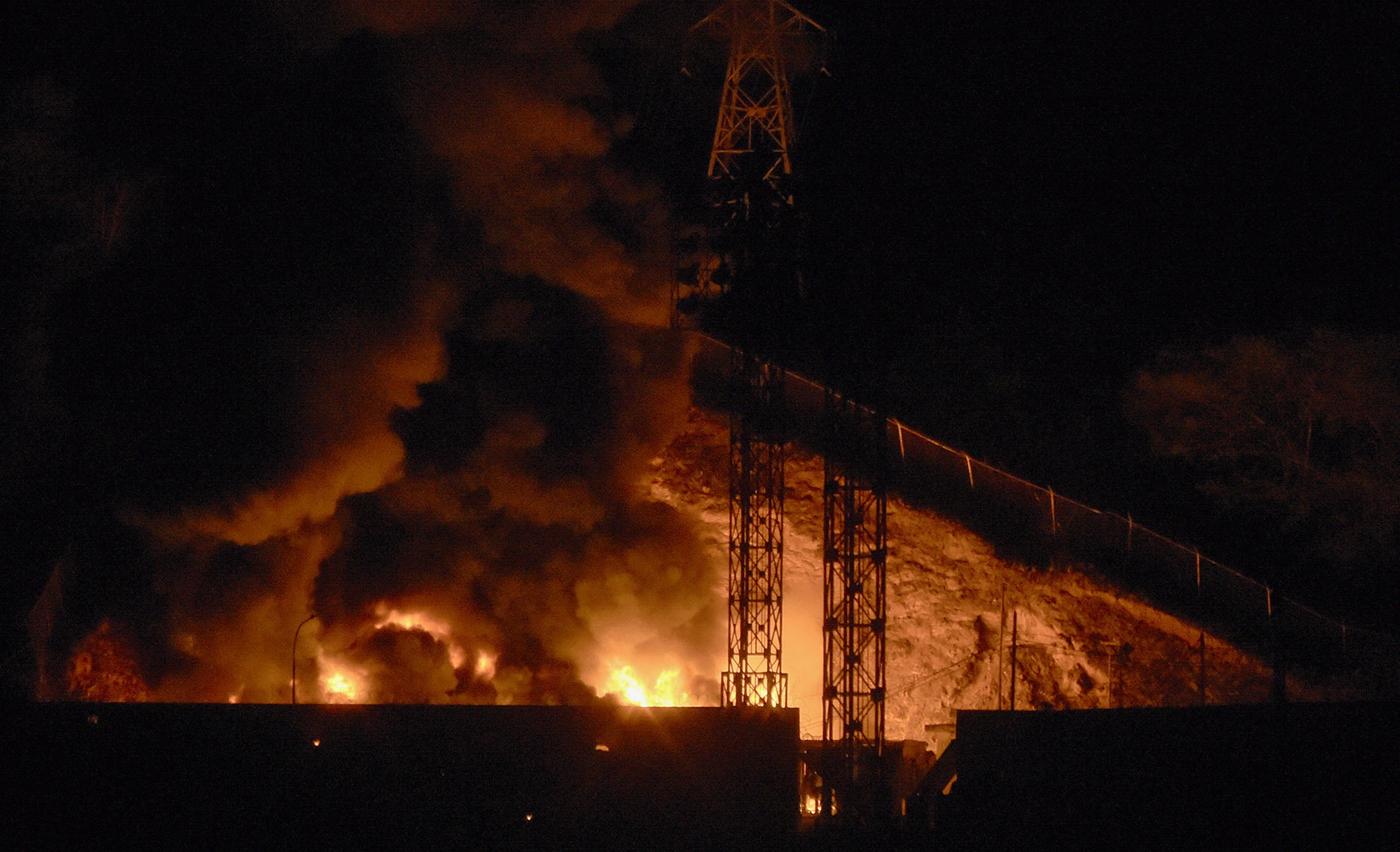
Crucially, within hours of Trump’s statement, the claim was directly contradicted. Venezuelan state media portrayed a different narrative, attributing any explosions to defensive actions against what it called “U.S. military aggression,” while showing Maduro presiding over a meeting of his defense council. No independent confirmation of strikes or a capture emerged from international bodies, allied governments, or major global news agencies. This immediate discrepancy highlights the role of information warfare in modern geopolitical conflicts, where competing narratives are weaponized to shape domestic and international perception, demoralize opponents, and test diplomatic reactions.
**Potential Strategic Objectives Behind the Announcement**
Analysts suggest several possible strategic motives for such an announcement, even if the events were not as described:
1. **Psychological Operations:** To create confusion and panic within the Maduro regime’s ranks, potentially encouraging defection or internal coup attempts.
2. **Domestic Political Messaging:** To demonstrate a posture of decisive action to a domestic audience, framing a persistent foreign policy challenge as being decisively resolved.
3. **Testing International Resolve:** To gauge the reaction of regional partners and global adversaries, setting a new rhetorical precedent for direct intervention.
**Broader Implications for the Doctrine of Intervention**
If verified, such an action would be the most direct U.S. military intervention in Latin America since the 1989 invasion of Panama to capture Manuel Noriega. It would ignite fierce debate over sovereignty, the precedent for forcibly removing leaders deemed illegitimate or criminal by Washington, and likely trigger a severe humanitarian and refugee crisis. The lack of a UN Security Council mandate would draw widespread condemnation and potentially isolate the U.S. diplomatically.
As of this analysis, the situation remains opaque. The claim stands as a stark, unilateral declaration amidst a complex conflict characterized by economic collapse, a humanitarian disaster, and a fierce power struggle. The coming days will be essential for discerning fact from strategic assertion and for understanding the true state of power in Caracas.