

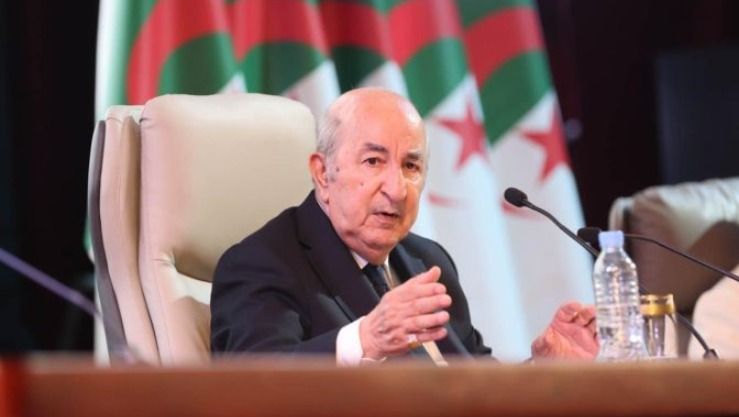
In a significant address before a joint session of Parliament at the Palace of Nations in the Club des Pins, President Abdelmadjid Tebboune framed his speech as a direct covenant with the Algerian people, channeled through their elected representatives. This format, he argued, is not merely ceremonial but a substantive reflection of governance principles.
We committed to addressing the honorable Algerian people through you, which expresses the political will we will not deviate from, in strict fulfillment of our commitments, since I was honored with the trust of the noble people.
This statement underscores a core tenet of representative democracy: the chain of accountability where the executive is accountable to the legislature, which in turn is accountable to the electorate. By choosing this forum, President Tebboune signals an intent to ground his administration’s actions in institutional legitimacy, moving beyond unilateral announcements to a discourse embedded within the state’s constitutional architecture.
A central pillar of the address was the reaffirmation of an upcoming political dialogue with Algeria’s partisan landscape. The President noted he had previously announced this initiative from the same platform and has since reinforced the commitment in direct meetings with party leaders.
I committed from this platform to a political dialogue with the parties and I am still committed to it, as I declared and explained to some party leaders I received.
This dialogue is positioned as a strategic, rather than ad-hoc, process. Crucially, the President linked its formal launch to a specific legislative trigger: the Parliament’s ratification of the revised Political Parties Law. This sequencing is analytically important. It suggests the dialogue will operate within a new legal framework, potentially designed to regulate party financing, internal governance, and eligibility—factors that could shape which voices are at the table and the rules of engagement. The delay until the law’s passage indicates a desire for structured, rule-based negotiations.
Characterizing the anticipated talks, President Tebboune expressed confidence they would be “constructive,” and pledged to follow through on the outcomes.
The President also considered that the anticipated dialogue “will be constructive,” reiterating his commitment to “implementing everything agreed upon with the parties.”
This promise of implementation is key to the dialogue’s credibility. Past political consultations in various nations have often been criticized for producing recommendations that are subsequently ignored by the executive. By publicly vowing to execute agreements, the President aims to elevate the dialogue from a symbolic exercise to a genuine policymaking instrument. The success of this pledge will likely be measured by the translation of dialogue conclusions into concrete legislation or executive action, setting a precedent for future state-party relations.
In essence, this address outlines a phased approach to political engagement: first, establishing a legal framework via the Parties Law; second, convening structured dialogue under that framework; and third, binding the government to the resulting consensus. The value for the citizen and analyst lies in this revealed roadmap, which provides specific benchmarks against which the administration’s commitment to inclusive politics can be assessed in the coming months.