

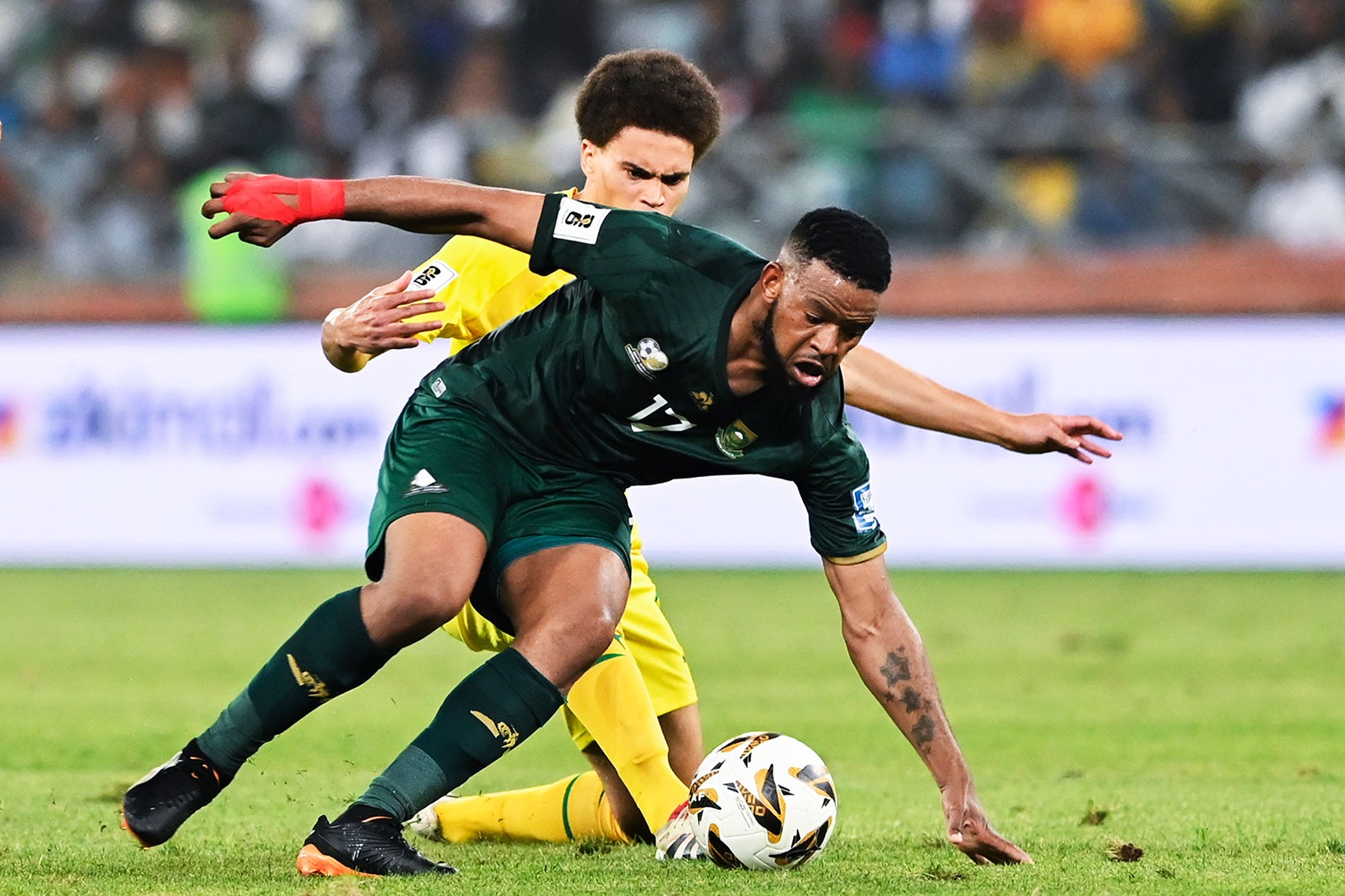
South Africa’s national team, Bafana Bafana, must now pivot decisively following a narrow 1-0 defeat to a formidable Egypt side. While the loss to the record seven-time champions is a setback, the broader tournament narrative for Hugo Broos’s squad remains unwritten. The immediate and singular focus has shifted to their final Group B encounter against Zimbabwe this Monday—a match that is far more than a formality; it is a complex tactical and psychological challenge that will define their AFCON campaign.
**Deconstructing the Egypt Defeat: A Learning Opportunity, Not a Failure**
The performance against Egypt, while ultimately fruitless in terms of points, revealed critical data. Bafana Bafana demonstrated defensive organization and resilience against one of Africa’s footballing powerhouses, a necessary trait for knockout-stage aspirations. The key takeaway for Broos is not the result itself, but the fine margins that decided it. This context is vital: in tournament football, a disciplined loss to a top seed can be a platform for growth, provided the lessons are absorbed. The team must now channel any frustration into a controlled, aggressive performance against Zimbabwe.
**The Zimbabwe Equation: More Than Just Three Points**
Qualifying for the round of 16 is the explicit goal, but the manner of qualification carries immense weight. A convincing victory against Zimbabwe serves multiple strategic purposes:
1. **Momentum & Psychology:** Entering the knockout stages on a winning note builds irreplaceable confidence and positive momentum. It transforms the team’s self-perception from “scraping through” to “deserving contenders.”
2. **Goal Difference & Seeding:** In tight group standings, goal difference can be the ultimate decider for a more favorable round-of-16 draw. A multi-goal victory is not just a luxury; it is a strategic asset that could see Bafana Bafana avoid another group winner in the next round.
3. **Tactical Cohesion:** This match is a final opportunity to refine attacking patterns and partnerships before the win-or-go-home pressure of the knockouts. It’s a chance to integrate creative players and solidify the link between midfield and attack.
**Broos’s Tactical Imperative: Balancing Caution and Ambition**
Coach Hugo Broos faces a nuanced tactical puzzle. Zimbabwe, also fighting for survival, will likely adopt a different approach than Egypt—potentially more open or desperately defensive. Broos must set up a side that controls the game, unlocks a packed defense if necessary, but remains vigilant against counter-attacks. Expect potential changes to the starting XI aimed at injecting more creativity and goal threat, while maintaining the defensive solidity that was evident for large periods against Egypt.
**Historical Context & The Weight of Expectation**
For South African fans, the memory of the 1996 AFCON triumph on home soil is evergreen, creating a constant benchmark. Successive tournaments have often ended in disappointment. Navigating past Zimbabwe to reach the knockout stage is the minimum threshold for this campaign to be deemed a progressive step under Broos. It represents the bridge between the promise shown in qualification and the tangible achievement of competing in the tournament’s latter stages.
**Conclusion: A Defining 90 Minutes**
Monday’s clash is therefore a microcosm of tournament football: a must-win game with layered consequences. A victory secures passage and provides a psychological launchpad. A draw or loss would leave Bafana Bafana’s fate dangling precariously on other results—a scenario no team desires. The focus is absolute because the stakes are crystal clear. For Hugo Broos and his troops, the response to the Egypt defeat will be measured not in words, but in their performance and result against Zimbabwe.