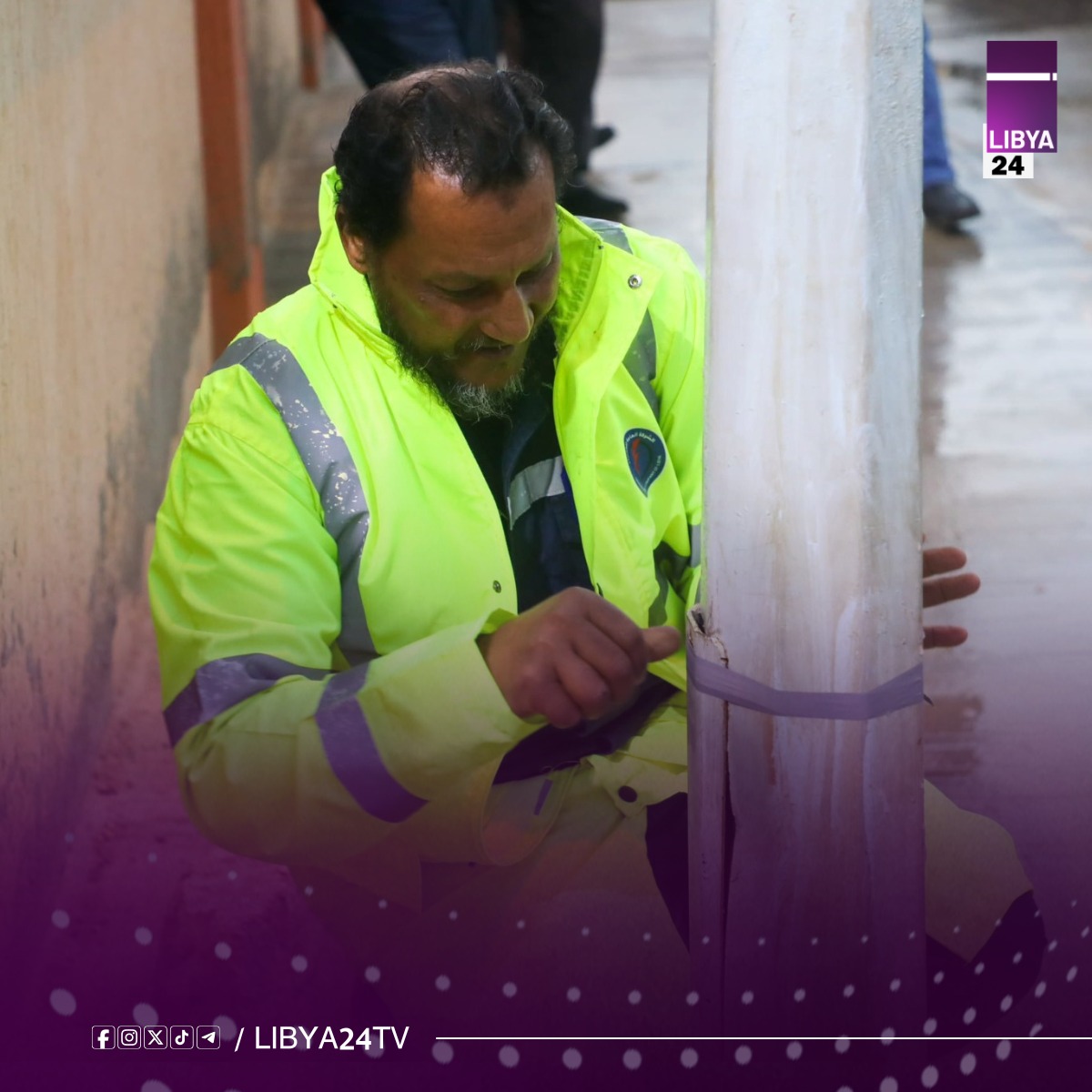
In late December, the Talmeitha region witnessed a transformation that was both literal and symbolic. The newly illuminated 2.2-kilometer stretch of road, now aglow with over 150 modern lighting units, represents far more than a simple municipal upgrade. It is a case study in effective, rapid-response governance—a tangible demonstration of how focused national effort can directly and swiftly improve citizen safety, economic vitality, and community morale.
This project, completed in just seven days by technical teams from the Ministry of Electricity, began not with a bureaucratic memo, but with the boots-on-the-ground assessment of Minister Dr. Awad Al-Badri. His field visit was the critical catalyst, shifting the process from planning to execution. This hands-on leadership model—where decision-makers directly witness infrastructure challenges—is a significant departure from top-down directives and is key to understanding the project’s speed and success.
The Anatomy of a Rapid Infrastructure Turnaround
The technical execution provides a blueprint for similar initiatives across Libya. The work was comprehensive, moving beyond superficial fixes:
- Foundation First: Teams erected new, robust poles to act as long-term guardians for the electrical network, addressing the structural integrity that underpins any reliable utility service.
- Modernized Core Systems: The installation of advanced control panels is a crucial, often overlooked detail. These “smart” hubs allow for better load management, fault detection, and energy efficiency, reducing long-term operational costs and improving reliability.
- Rigorous Testing: The emphasis on post-installation testing—checking voltage stability, circuit integrity, and timer functions—is what separates a lasting solution from a temporary patch. This phase ensures the illumination is sustainable, a critical factor for community trust.
This holistic approach transformed a lighting project into a miniature infrastructure overhaul, tackling root causes rather than just symptoms.
The Ripple Effects of Reliable Illumination
The value of such a project extends far beyond the convenience of light. For residents and businesses in Talmeitha, the impacts are multidimensional:
- Public Safety: Well-lit streets are a proven deterrent to crime and drastically reduce nighttime traffic and pedestrian accidents.
- Economic Activity: Extended hours for shops and markets become viable, stimulating local commerce. The secure environment can encourage new business investment.
- Social Cohesion & Well-being: Restored public spaces foster community interaction during evening hours, improving quality of life and reinforcing a sense of normalcy and civic pride.
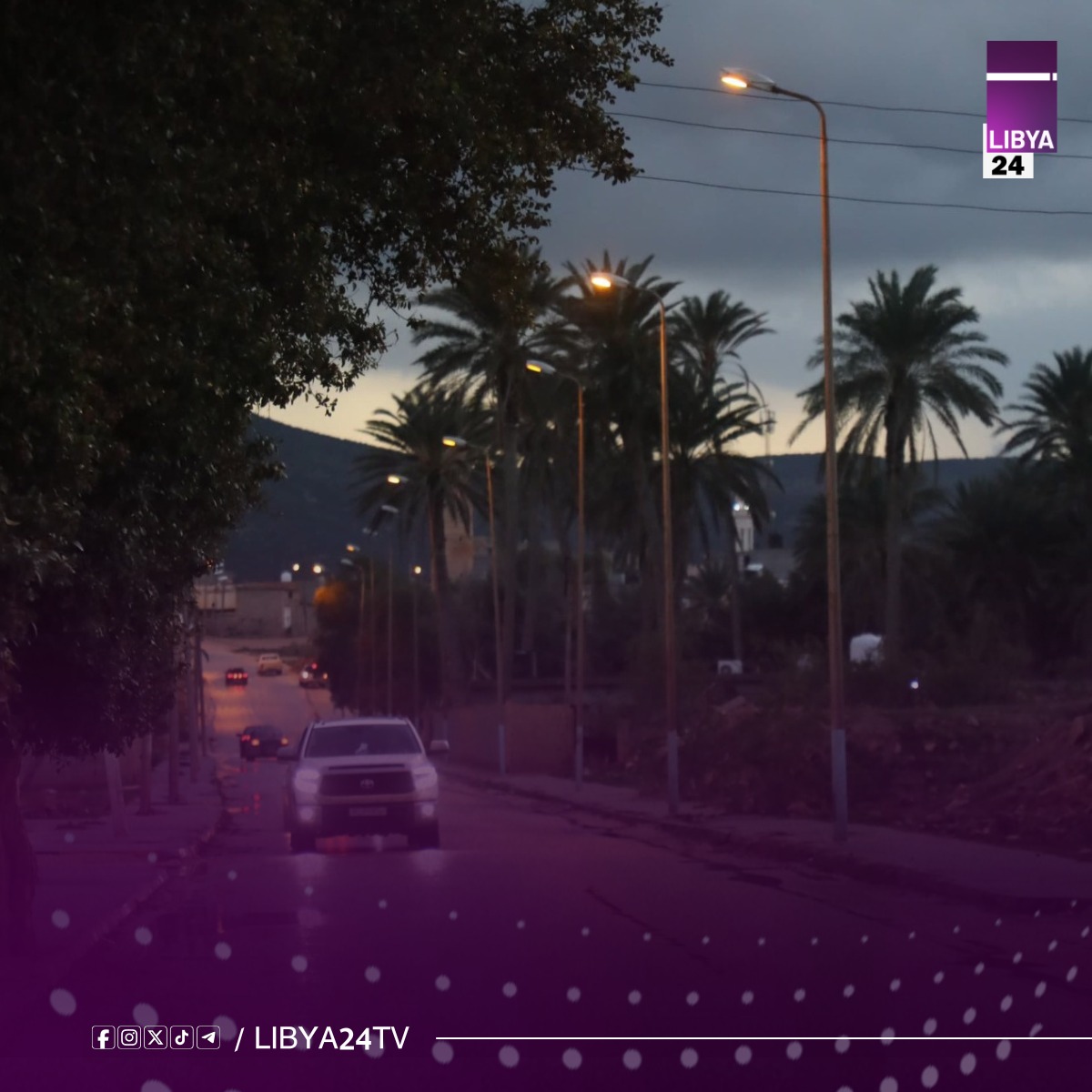
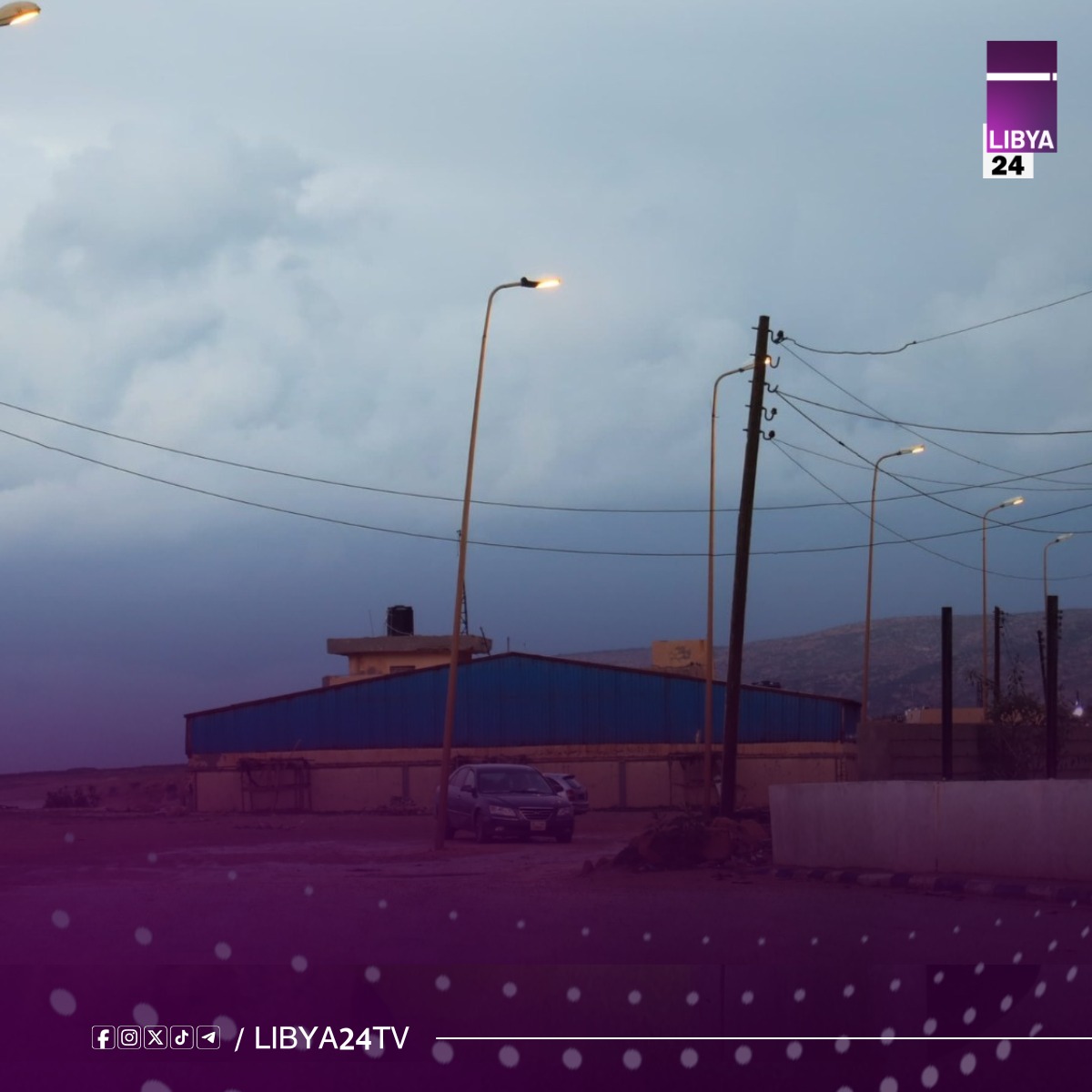
The palpable gratitude expressed by Talmeitha’s residents underscores a fundamental truth: citizens measure government effectiveness not by promises, but by visible, quality-of-life improvements. The swift “response which did not settle for promises” has rebuilt a measure of trust between the community and state institutions.
A Model for Libya’s Future
The Talmeitha project embodies a powerful vision: the elevation of national infrastructure by converting persistent service challenges into concrete, localized victories. Its success offers a replicable model—prioritizing direct oversight, empowering technical teams, and executing integrated solutions with urgency.
As Talmeitha now shines, it stands as a beacon, proving that focused effort can restore more than just light; it can restore confidence, safety, and the radiant vitality of a community. The challenge for Libya’s recovery will be scaling this focused, effective approach from individual corridors to national networks.