

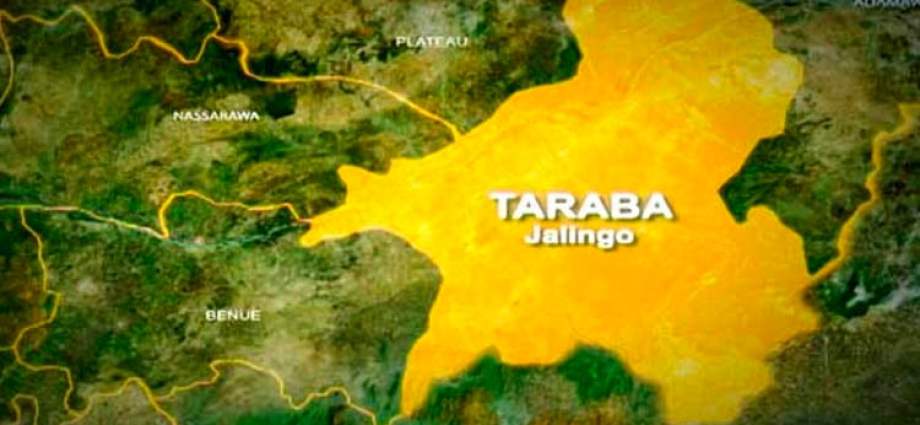
A serious breach of security protocol in Taraba State has led to the arrest of a police inspector and his girlfriend, spotlighting the dangerous intersection of negligence, duty, and public safety. The incident, which unfolded along the critical Wukari–Jootar Federal Highway, involves the disappearance of a loaded service assault rifle—an event with ramifications far beyond a simple case of lost property. [[PEAI_MEDIA_X]]
**The Incident: A Chain of Critical Failures**
According to reports from security analyst Zagazola Makama, Inspector Joshua Charles, attached to the Safer Highway Patrol team, allegedly abandoned his duty post on December 25th. He left three colleagues manning a checkpoint and proceeded into Wukari town. This initial act of dereliction set the stage for the security lapse. Later, his girlfriend, Ruth Alphancis, reportedly returned to their shared residence and claimed to find signs of a break-in.
Upon the inspector’s return, he discovered his service rifle, reportedly loaded with live ammunition, was missing. Disturbingly, sources cited in the report allege Inspector Charles was intoxicated when he realized the weapon was gone. This detail is crucial, as it suggests a profound failure in both professional discipline and the safeguarding of a lethal instrument of state authority. The absence of complete identification details for the firearm further complicates recovery efforts, highlighting poor record-keeping or procedural oversight.
**Why This Matters: The Stakes of a Missing Weapon**
The disappearance of a loaded assault rifle is not merely an administrative error; it is a direct threat to community safety. Such weapons can easily find their way into the hands of criminal syndicates, kidnap-for-ransom gangs, or insurgent groups active in parts of Nigeria’s North-East and Middle Belt regions. The Wukari-Jootar corridor itself is a significant route where enhanced security is paramount. A police-issue weapon used in a future crime would not only cause harm but severely erode public trust in law enforcement and could be used for propaganda by malign actors.
**The Police Response: Containment and Investigation**
The Taraba State Police Command’s response has been swift and twofold. First, both Inspector Charles and Ruth Alphancis have been detained. This is standard procedure, as investigators must determine whether this was a case of criminal negligence, an inside job, or a theft exploiting the officer’s absence. The girlfriend’s account and actions will be scrutinized to verify the burglary claim. Second, a multi-pronged recovery operation has been launched, with police collaborating with local residents and hunters in surrounding communities. This community-based approach is essential for gathering intelligence and leveraging local knowledge to track the weapon before it can be used.
**Broader Context: Systemic Vulnerabilities Exposed**
This incident exposes several systemic vulnerabilities within security protocols:
1. **Weapon Accountability:** The case raises questions about real-time weapon tracking and check-in/check-out procedures for officers, especially those on patrol.
2. **Duty Discipline:** The alleged abandonment of post and intoxication point to potential failures in supervision and the enforcement of codes of conduct for officers in sensitive, armed roles.
3. **Weapon Storage:** The circumstances suggest the rifle was not secured in a proper armory when the officer was off-duty or absent, indicating a lapse in safe storage protocols.
[[PEAI_MEDIA_X]] The ongoing investigation must not only seek to recover the rifle and apportion blame but should also trigger an internal audit of weapon handling procedures within the command. For the public, this serves as a stark reminder of the grave responsibility borne by those entrusted with state-sanctioned force and the catastrophic potential when that trust is breached. The ultimate measure of this episode’s resolution will be the safe recovery of the weapon and the implementation of concrete measures to prevent a recurrence.