

Beyond the Photo Op: Inside Ghana’s Push to Integrate Security and Civilian Governance
Analysis: A recent high-level dialogue at the Presidency reveals a strategic effort to forge a unified national security architecture in the face of complex, modern threats.
When a 40-member delegation from Ghana’s National College of Defence Studies (NCDS) visited Jubilee House, the event was more than a ceremonial tour. It represented a deliberate, high-level effort to bridge the often-separate worlds of military strategy and civilian policy-making. According to a report from MyJoyOnline, the visit, part of the College’s Course 2–2025 study tour, evolved into a candid forum on the mechanics and challenges of national governance.
The “Whole-of-Government” Imperative
The core message from the Presidency was unequivocal. Dr. Abubakari Wayo, the Acting Chief Director at the Office of the President, emphasized the critical need for “whole-of-government cooperation” to achieve policy coherence. This term, often used in advanced security and development circles, signals a move away from siloed operations. The implication is clear: Ghana’s security challenges—from cyber threats to transnational crime—cannot be solved by the military or police alone. They require integrated responses that involve economic planning, social policy, and diplomatic channels.
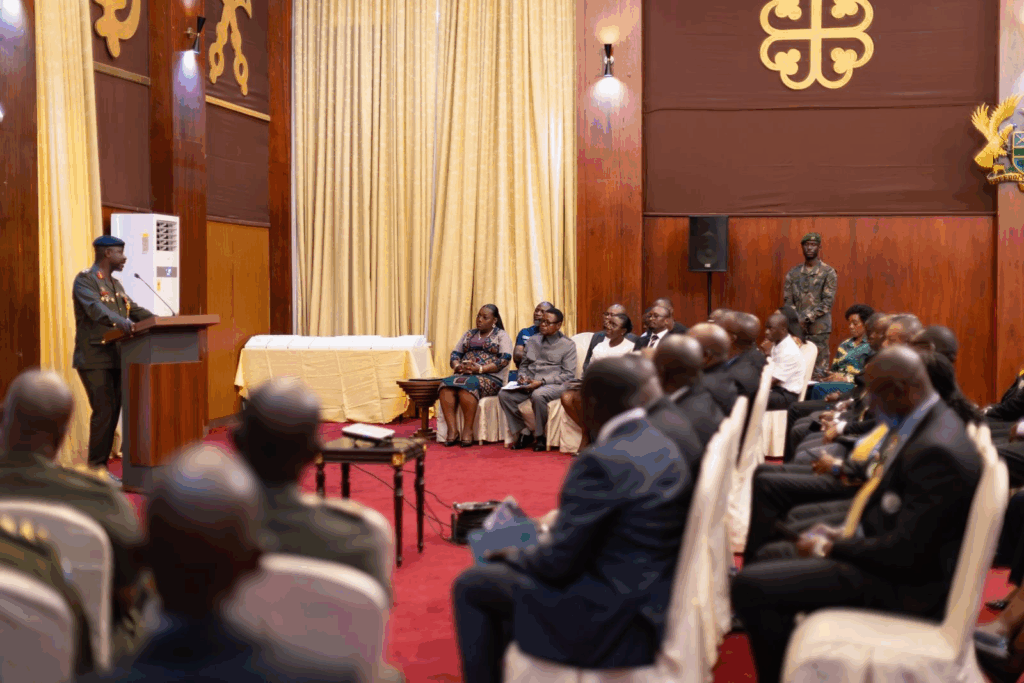
The delegation’s leader acknowledged this, describing the Presidency as a vital institution for understanding the nation’s “power systems, policy mechanisms, and security architecture.” This framing elevates the discussion beyond basic civics; it treats governance as an interconnected ecosystem where a decision in the Cabinet Secretariat can have direct ramifications for national defense strategy.
Candid Conversations and Modern Threats
A significant portion of the engagement was held under the Chatham House Rule, which allows participants to speak freely without attribution. This format is telling. It suggests the dialogue moved beyond prepared remarks into frank discussions on sensitive topics like national security, defense diplomacy, and governance reforms. Such confidential spaces are essential for building the trust necessary for effective civil-military relations.
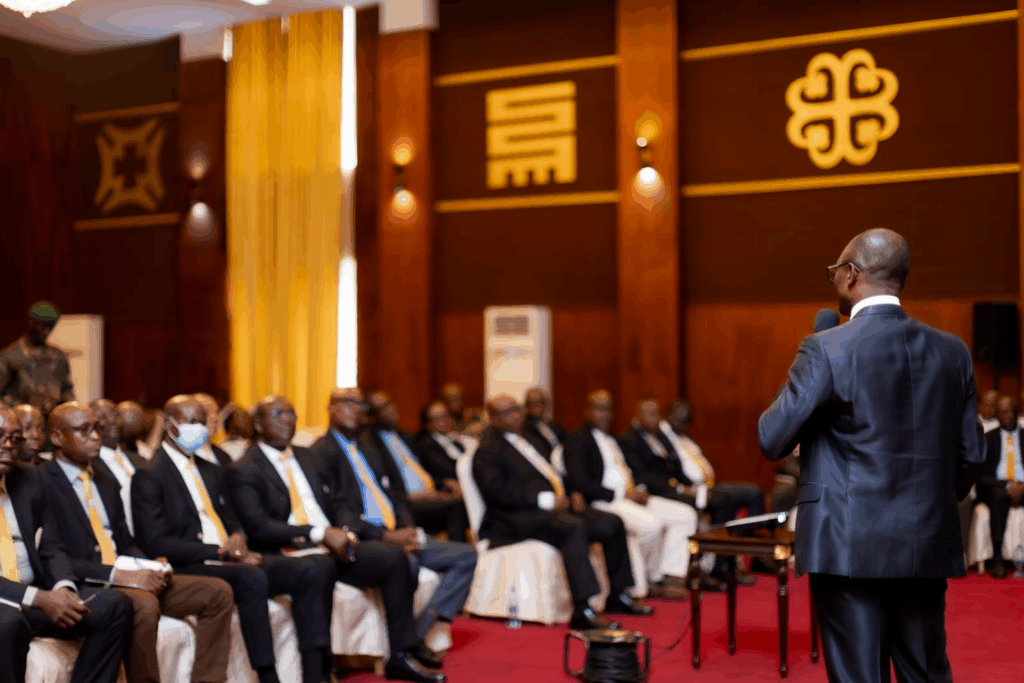
The keynote address, delivered by Deputy Chief of Staff Nana Oye Bampoe Addo on behalf of the President, explicitly named the evolving threat landscape. Highlighting cyber risks and transnational crime, she called for “adaptive, ethical, and innovative leadership” within the security sector. This language underscores a recognition that yesterday’s playbook is insufficient. The security leaders being trained today must be as proficient in digital forensics and economic policy analysis as they are in traditional defense tactics.
Institutionalizing Collaboration for the Long Term
The event’s deeper significance lies in its institutional nature. This was not a one-off meeting but part of the NCDS’s structured curriculum. By integrating the Presidency into the training of future strategic leaders, Ghana is systematically building a shared mental model and professional network across the civil-security divide.

Presentations from the Cabinet Secretariat and the PPMED Directorate provided the delegation with a ground-level view of executive governance frameworks, coordination challenges, and administrative reforms. This demystifies the process of government for security officials, potentially leading to more nuanced and supportive interactions in the future.
The “So What” for Ghana’s Stability
Why does this matter for the average citizen? The strength of the partnership between civilian authorities and security institutions is a fundamental pillar of democratic resilience. When these spheres operate in harmony, with mutual understanding and respect, it bolsters the state’s capacity to manage crises, implement policy effectively, and maintain public trust. Furthermore, the emphasis on women’s leadership in security and governance, reiterated in the address, points to a broader understanding that diverse perspectives are a strategic asset in problem-solving.
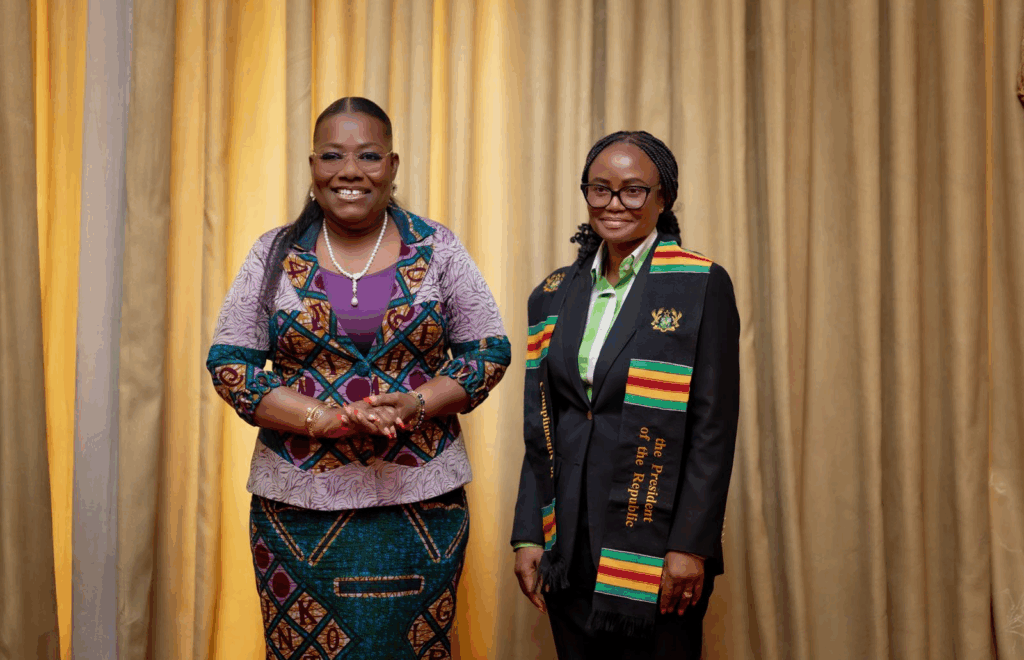
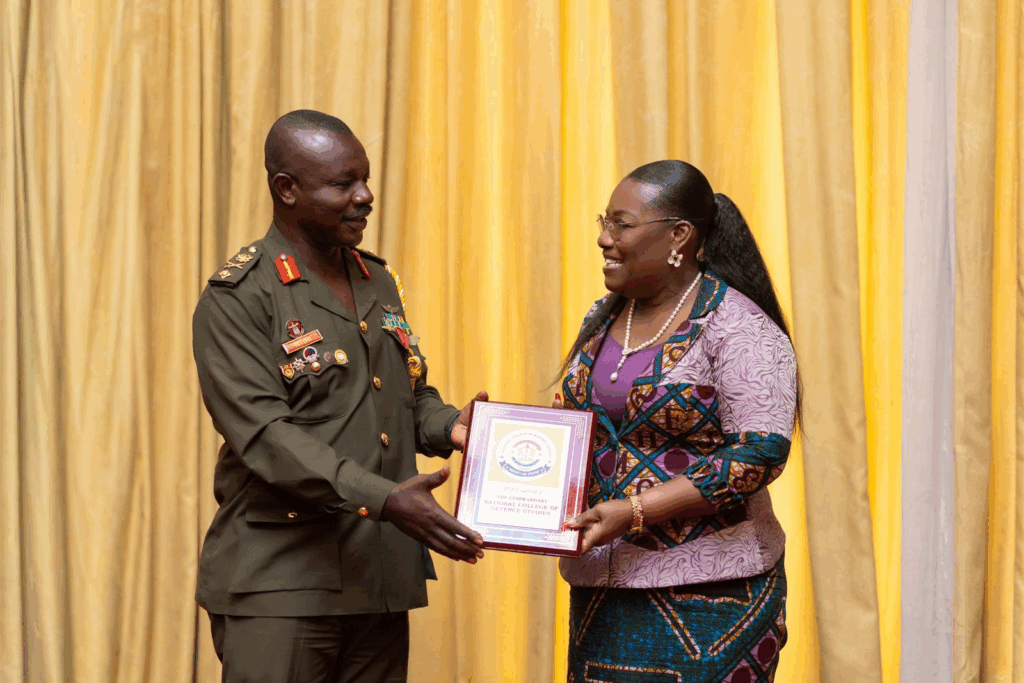
While the exchange of souvenirs and group photographs marked the visit’s conclusion, the real outcome is less visible. It is the cultivation of relationships and a common strategic language among individuals who may one day be at the helm of Ghana’s most critical institutions. In an era of hybrid threats, this integrated approach to leadership development may be one of the country’s most vital national security investments.
Source & Attribution: This analysis is based on the original report “Presidency Hosts National Defence College Delegation, Highlights Strategic Governance Partnership” published by MyJoyOnline. All factual details concerning the event, participants, and statements are sourced from that report.