Beyond Seizure: How Algeria’s New Digital Platform Aims to Transform Recovered Oligarch Assets into Public Value

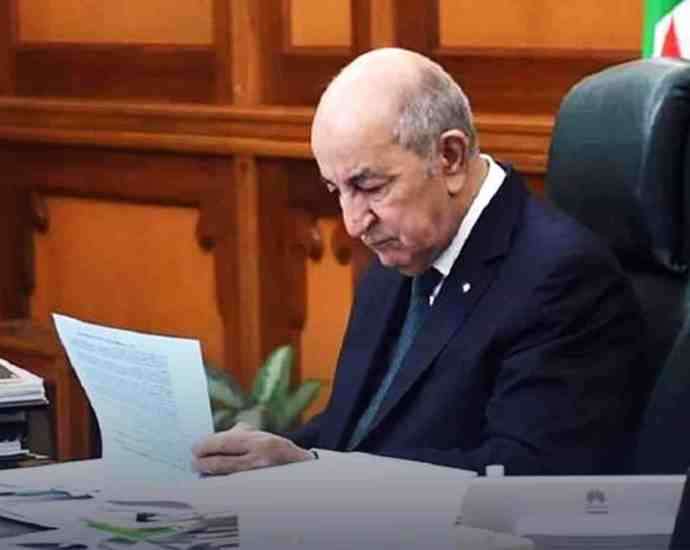
Algeria is launching a centralized digital platform to manage assets recovered from powerful oligarchs, aiming to ensure transparent and coordinated oversight in real-time. This initiative is a cornerstone of a broader national strategy to combat corruption and modernize public administration through digital governance. By unifying tracking rules and establishing a dedicated anti-corruption commission, the state seeks to prevent mismanagement and reallocate resources effectively for public benefit. Ultimately, this represents a systemic shift towards operational transparency and administrative accountability in the post-BouteContinue Reading
A Commitment to Dialogue: President Tebboune Outlines Political Vision and Process in Parliamentary Address

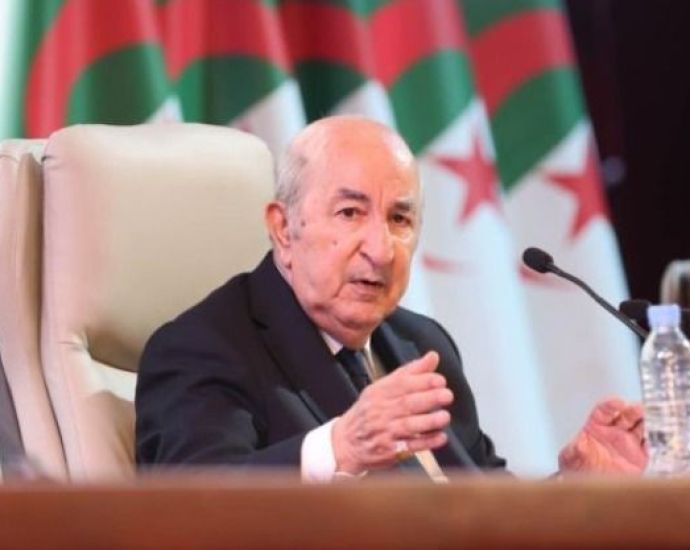
Algerian President Abdelmadjid Tebboune has reaffirmed his unwavering commitment to a national political dialogue with all parties, framing it as a strict fulfillment of his electoral promises. This dialogue, which he pledges will be constructive and result in implemented agreements, is strategically conditioned upon the parliament’s prior approval of a new political parties law. The initiative underscores a deliberate shift toward institutionalizing pluralistic engagement, positioning the upcoming negotiations as a critical test for Algeria’s political cohesion and reform trajectory.Continue Reading

Beyond the Headline: A Deep Dive into Liberia’s Crackdown on Alien Work Permit Corruption and Its Broader Implications

The Liberian Ministry of Labour has dismissed and referred a senior official to police for selling Alien Work Permits at a third of their official price, signaling a decisive crackdown on internal corruption. This action is a key part of a broader, high-priority enforcement campaign that has already revoked 19 permits and tripled the permit fee to $3,000 to protect domestic employment. The move directly responds to legislative scrutiny over foreign labor and represents a strategic effort to restore regulatory integrity and prioritize Liberian jobContinue Reading

Beyond a Donation: How SGDS’s Strategic Support in Ouidah Models a Holistic Approach to Urban Sanitation

The Société de Gestion des Déchets et de la Salubrité (SGDS) has launched a strategic initiative to equip local NGOs and municipal authorities in Benin with essential sanitation tools, starting with a significant donation to Ouidah. This program directly addresses a critical operational gap by providing over 1,250 items, enabling more effective monthly community clean-up campaigns. The initiative demonstrates a scalable public-private partnership model for urban management, with plans to expand to other major cities like Cotonou and PortoContinue Reading

Beyond the Headline: A Deep Dive into South Africa’s Proposed 4.1% Pay Hike for Public Office-Bearers

A South African commission has recommended a 4.1% salary increase for top government officials, a raise that exceeds current inflation forecasts and will add over R530 million to the national wage bill. While the public sector wage bill has declined as a percentage of total spending over the past decade, this above-inflation hike directly contradicts fiscal consolidation goals and intensifies budget pressures. The decision highlights a persistent misalignment between public sector remuneration and broader economic realities, prioritizing political office-bearer compensation over urgent fiscalContinue Reading

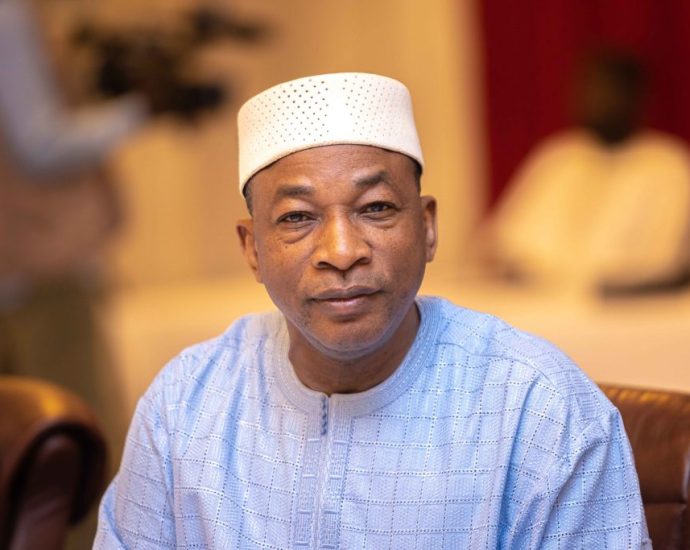
Beyond the Ceremony: The Strategic Significance of Mali’s 7th SNJ Cohort and the National Youth Service Mission

Mali’s National Youth Service has launched its seventh cohort, deploying 700 young citizens (including 281 women) for a six-month civic and professional training program. This mandatory service is a strategic state initiative designed to forge disciplined, skilled citizens who can contribute to national development and defense. The program underscores the transitional government’s commitment to youth investment as a cornerstone of Mali’s economic and social future. Its unique value lies in blending civic education with practical skills, directly mobilizing youth as active participants in nationContinue Reading

The Crisis of the ‘Ghost Civil Servants’: A Deep Dive into Administrative Abandonment and the Failure of State Responsibility

This article exposes a critical and systemic failure within Mali’s public administration, where state employees who have been formally recruited are left in indefinite limbo without assignment or explanation. The core issue is not mere bureaucratic inefficiency but a profound political and ethical breach, characterized as institutional contempt, under the responsibility of Minister Fassoun Coulibaly. The government’s public focus on new recruitment drives starkly contradicts its abandonment of these already-hired workers, revealing a damaging hypocrisy that betrays the promise of public serviceContinue Reading

Cameroon’s National ID Card Fees: Official Clarification, Citizen Rights, and How to Combat Extortion

A senior Cameroonian official has clarified that the official fee for a national identity card remains 10,000 FCFA, countering false social media claims of an increase to 20,000 FCFA. The statement strongly condemns the spread of such misinformation as a malicious act intended to sow public discord, particularly in a sensitive post-election climate. It acknowledges that corruption and extortion by some officials persist but urges citizens to actively and publicly denounce such racketeering, with assurances thatContinue Reading

Beyond the Headline: Decoding Algeria’s High-Stakes Campaign to Recover Embezzled Billions

President Tebboune has publicly declared the recovery of billions in public funds, stolen by former oligarchs and hidden in offshore havens like the British Virgin Islands, as a critical national priority. This effort is not merely rhetorical, as the state has already begun confiscating and nationalizing assets from convicted businessmen to replenish the treasury. The initiative represents a direct attempt to rectify a legacy of grand corruption that has severely drained Algeria’s economy. Ultimately, this move signals a strategic shift towards reclaiming nationalContinue Reading

Beyond Buses: How Ghana’s Foreign Ministry is Investing in Human Capital to Strengthen Diplomatic Service

Ghana’s Foreign Ministry has launched a strategic initiative to enhance operational effectiveness by directly addressing a core staff welfare issue: chronic transportation challenges. By delivering six new staff buses in direct response to employee feedback, the leadership demonstrates a commitment to listening and acting, thereby boosting morale and punctuality. This practical intervention is framed as a critical component of broader institutional reforms, particularly vital for supporting a foreign service under increasing global demands. The move underscores that investing in foundational employee needs is a high-leverage strategy for improvingContinue Reading