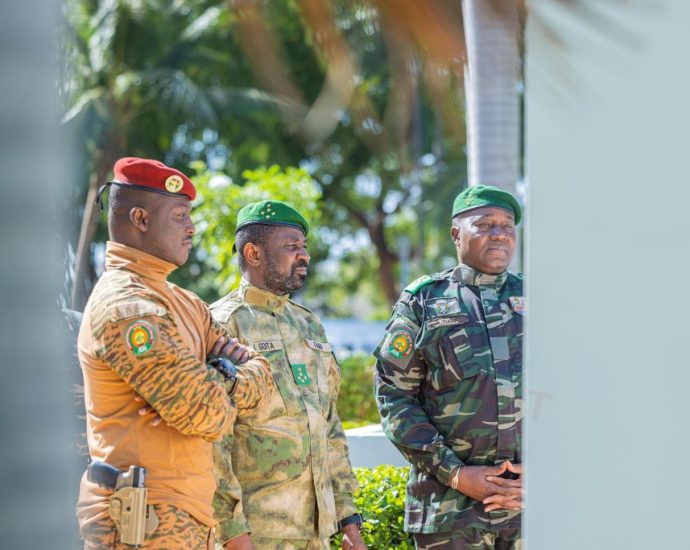
Beyond the Medal: Decoding the Strategic Significance of Captain Traoré’s Grand Cross Award at the AES Summit

Mali has awarded Burkina Faso’s President Ibrahim Traoré its highest national honor, a symbolic act reinforcing the deepening political and military alliance within the Sahel States Confederation (AES). This gesture, also extended to Niger’s leader, explicitly rewards their shared commitment to regional sovereignty and collective development, moving away from traditional Western partnerships. The ceremony underscores a deliberate and exemplary model of integration, where mutual recognition between member states is used to solidify a unified geopolitical bloc. This represents a strategic consolidation of power,Continue Reading
Beyond Diplomacy: How the 2nd AES Summit in Bamako Solidifies a New Sahelian Alliance

The second high-level summit of the Sahel States Confederation (AES) in Bamako successfully reinforced the strategic alliance between Mali, Burkina Faso, and Niger. The public expressions of gratitude from Burkina Faso and Niger towards Malian leadership underscore a deliberate strengthening of internal cohesion and mutual political support among the member states. This meeting solidifies their unified commitment to a sovereign, resilient bloc distinct from traditional regional and international partnerships. The outcome signals a consolidated front focused on collective security and strategic autonomy in the SahelContinue Reading

Beyond Elections: How Ghana’s Proposed Constitutional Reforms Aim to Forge a ‘Developmental Democracy’

Ghana’s Constitutional Review Committee proposes a landmark amendment to legally bind Parliament’s lawmaking and budgeting to the National Development Plan, aiming to end policy instability and short-term political decision-making. This would require every bill to demonstrate alignment with long-term national objectives, forcing a transparent, reasoned justification for any material departure from the established plan. The core value proposition is transforming Ghana’s governance from “electoral democracy” to “developmental democracy,” thereby providing critical regulatory predictability to boost investor confidence and ensure coherent public spendingContinue Reading

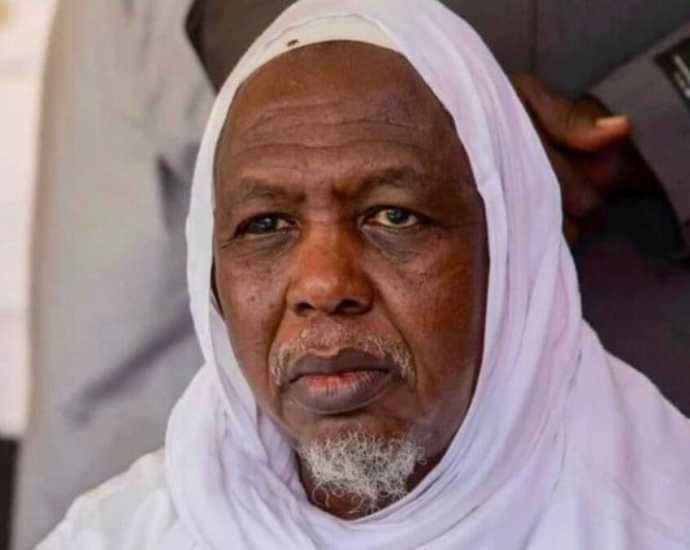
Imam Mahamoud Dicko’s Virtual Address: A Strategic Pivot from Moral Authority to Political Actor

In a significant political and spiritual intervention, exiled Malian Imam Mahamoud Dicko has publicly aligned himself with the opposition coalition CFR, positioning himself as a moral and spiritual guide for the nation. His core message is a direct call for national unity, peace, and justice, specifically urging the marginalized Peulh community to overcome divisions and engage constructively. This declaration represents a strategic move to reclaim influence, framing the CFR’s push for constitutional order within a spiritual and reconciliatory framework. Ultimately,Continue Reading

Beyond the Plate: Why the Barrow Media Dinner Represents a Critical Democratic Threshold for The Gambia

This article reframes a presidential media dinner not as a compromise of journalistic integrity, but as a vital symbol of democratic progress in a nation emerging from severe repression. The core argument is that true press freedom is measured by the ability to question power without fear, not by refusing access, and that such engagement represents a critical shift from a climate of intimidation to one of open dialogue. By contextualizing the event within Gambia’s traumatic past under Jammeh and aligning it with established global traditions, theContinue Reading

The Co-Optation of Celebrity: How White Christian Nationalism Weaponizes Nicki Minaj’s Platform

Nicki Minaj’s appearance at a conservative political event illustrates how the rhetoric of “Christian persecution” is being strategically co-opted to advance a white Christian nationalist agenda. This ideology frames Christianity as a tool for political dominance, weaponizing complex international conflicts, like the violence in Nigeria, into simplified narratives of religious war to galvanize a domestic base. The practical takeaway is a critical need to scrutinize such claims, recognizing they often distort on-the-ground realities for political gain. Ultimately, this episodeContinue Reading

Democracy Under Duress: KZN Legislature Suspends 36 MPLs After Chaotic No-Confidence Vote, Exposing Deepening Political Fault Lines

In a decisive move to uphold parliamentary integrity, the KwaZulu-Natal Legislature has suspended 36 opposition members—primarily from the uMkhonto weSizwe Party—following violent disruptions during a failed no-confidence motion against Premier Thami Ntuli. The Speaker framed the suspensions as a necessary defense of democratic institutions against intimidation and chaos, a stance fully endorsed by the Premier. This action underscores a critical precedent: maintaining order and discipline is prioritized over political contestation within the legislativeContinue Reading

Beyond the Summit: How the Bamako AES Meeting Charts a New Course for Sahelian Sovereignty and Security

The second summit of the Alliance of Sahel States (AES) in Bamako marks a pivotal step for Mali, Niger, and Burkina Faso in transforming their alliance into a concrete sovereign confederation. The core agenda focuses on integrating security, economic, and diplomatic cooperation to assert regional autonomy and reduce external dependence. This consolidation represents a significant geopolitical realignment in the Sahel, aiming to create a unified bloc capable of addressing shared challenges independently. The summit’s outcomes will critically shape the region’s future stabilityContinue Reading

Populism in Power: Decoding Gascar Fenosoa’s Strategy and the Perils for Madagascar’s ‘Refoundation’

This article exposes a troubling nexus of political opportunism and alleged criminal impunity in Madagascar, centered on Minister Gascar Fenosoa’s public association with Raissa Razaivola. Razaivola, a convicted felon leading a “humanitarian” association, appears to enjoy unexplained freedom and political patronage, suggesting a system where legal accountability is bypassed for financial or political gain. Fenosoa’s actions—simultaneously threatening political opponents while aligning with controversial figures—reveal a hypocContinue Reading

Beyond Force: How Indigenous Community Policing Could Heal Nigeria’s Security Crisis

Nigeria’s centralized policing model is fundamentally broken, as officers deployed from distant regions lack the local knowledge, cultural fluency, and community trust necessary for effective security. This systemic detachment fosters poor intelligence, weak accountability, and a transactional relationship with citizens, directly contributing to the nation’s worsening insecurity. The strategic solution is a profound shift to genuine community policing, where a decisive majority (e.g., 75%) of officers are indigenous to their areas of service, embedding security within the social fabric. This isContinue Reading