

Côte d’Ivoire Shifts Focus to Crucial Parliamentary Elections Following Presidential Vote
The dust has barely settled on the presidential election, but the political machine in Côte d’Ivoire is already grinding into a higher gear. With the provisional results confirming a decisive victory for incumbent President Alassane Ouattara, who secured a commanding mandate with over 89% of the vote, the nation’s attention now pivots to a contest that could define the practical limits of his power: the parliamentary elections scheduled for December 27.
A New Electoral Chapter Begins
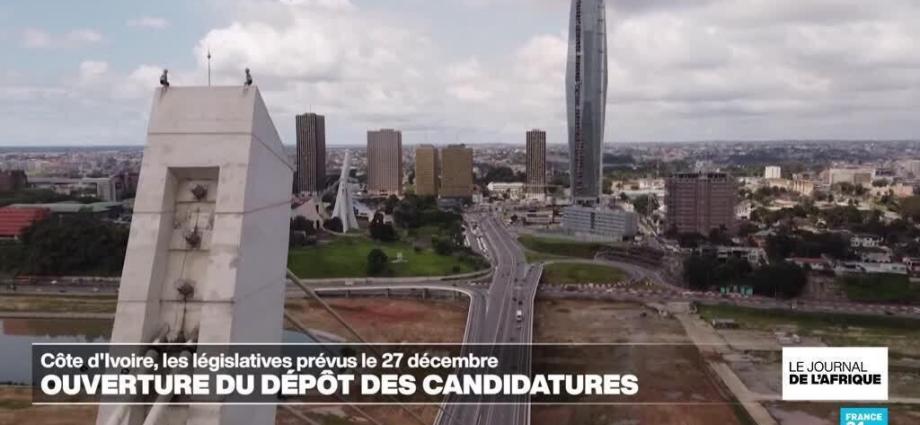
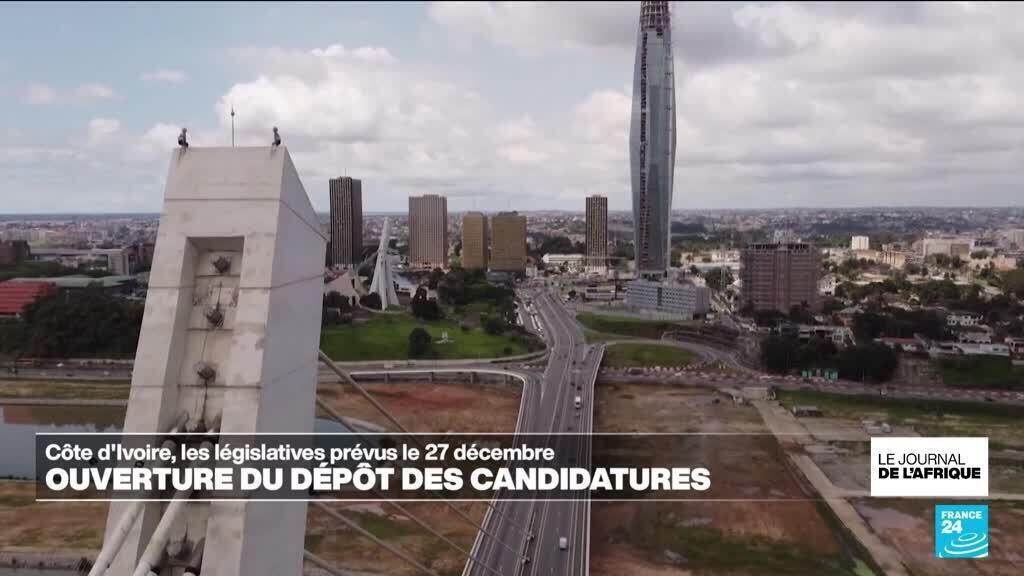
The Independent Electoral Commission (CEI) has officially opened the nomination period for candidates vying for a seat in the National Assembly. This process marks a critical juncture in Ivorian democracy. While the presidential race captured international headlines, the legislative elections are where the real battle for governance is often fought. The composition of the 255-seat assembly will determine the government’s ability to pass legislation, approve budgets, and steer the country’s policy direction for the coming years.
For President Ouattara and his ruling RHDP party, the goal is clear: secure a strong, working majority to implement his agenda without obstruction. The opposition, however, reeling from a fragmented performance in the presidential poll, sees the legislative race as a second chance—an opportunity to build a formidable bloc within parliament, to act as a check on executive power and give voice to alternative policies. The question hanging in the humid Abidjan air is simple: will the presidential landslide translate into a parliamentary supermajority, or will voters seek a balance of power?
The Stakes for a Nation in Progress
Côte d’Ivoire, West Africa’s economic powerhouse, has enjoyed a period of relative stability and significant economic growth under President Ouattara’s leadership. Yet, challenges persist. Socio-economic disparities, regional tensions, and the ever-present need for youth employment are issues that resonate deeply with the electorate. The legislative elections are not merely about party allegiance; they are a referendum on local representation. Constituents will be asking what their prospective deputy can deliver for their community, their district, and their future.
The nomination process itself is a meticulous affair. Potential candidates must submit their applications to the CEI, accompanied by a dossier that meets stringent legal requirements. This includes proof of Ivorian nationality, a clean criminal record, and a medical certificate, among other documents. The CEI’s role in vetting these applications is paramount to ensuring the integrity of the entire electoral process. Their impartiality and efficiency in the coming weeks will be under intense scrutiny from all political actors and international observers.
The Opposition’s Uphill Battle
Following the presidential election, the opposition landscape appears fractured. The absence of a unified front against President Ouattara has undoubtedly weakened their collective bargaining power. Can they regroup in time to mount a credible challenge for the National Assembly? The legislative race offers a different dynamic. It is fought on 255 different fronts, where local popularity, clan loyalties, and the ability to address hyper-local concerns can sometimes trump national party politics.
Key opposition figures and parties are now faced with a strategic dilemma. Do they forge broad coalitions to present a united front in key constituencies, or do they go it alone, hoping their individual brand is strong enough to carry the day? The decisions made in smoke-filled backrooms and public declarations over the next few days will shape the political battlefield for December 27. The vitality of Ivorian democracy depends on a robust and constructive opposition, making their performance in these elections a metric for the country’s overall political health.
Security and Logistics: The CEI’s Mammoth Task
Organizing a national election twice in the span of two months is a Herculean logistical undertaking. The CEI must now redeploy thousands of electoral kits, retrain poll workers, and secure sensitive materials across the country. A primary concern, as always, is security. The Ivorian security forces are expected to be on high alert to prevent any incidents that could mar the polls or discourage voter turnout.
Voter turnout is another critical variable. Presidential elections traditionally galvanize the electorate more than legislative ones. After the high participation in the presidential vote, will voter fatigue set in? Or will the understanding that their local deputy has a more direct impact on daily life drive people back to the polling stations? The CEI and civil society organizations are likely to launch voter education campaigns to emphasize the importance of the legislative branch and encourage a strong turnout.
A Test for Ivorian Democracy
Ultimately, these parliamentary elections represent another test for the resilience of Ivorian democratic institutions. A peaceful, transparent, and credible process will further cement the country’s reputation as a stable anchor in a sometimes turbulent region. It will demonstrate that the electoral cycle, from presidential to legislative, can be managed competently and fairly.
As the nomination window remains open, the political temperature is set to rise. The airwaves will fill with campaign promises, rallies will spring up in town squares, and the debate over the nation’s future will move from the presidential palace to the streets and villages. The outcome on December 27 will write the next chapter in Côte d’Ivoire’s ongoing story—a story of recovery, growth, and the complex, messy, but vital work of building a democratic society.
The world will be watching, but for the Ivorian people, this is about their immediate reality. The race for the National Assembly is not a secondary event; it is the process that will shape the laws, control the purse strings, and hold the government to account for the next five years. The opening of candidate nominations is the starting pistol for a contest that is every bit as crucial as the one that came before it.