

Historical Justice: France Elevates Alfred Dreyfus to Brigadier General Over a Century After Infamous Scandal
In a move resonating with profound historical significance, the French Parliament has posthumously promoted Captain Alfred Dreyfus to the rank of brigadier general. The final legislative vote in the Senate on Thursday, November 6, 2025, closes a contentious and symbolic chapter in French history, one that has haunted the nation’s conscience for more than a century. The decision, championed by Prime Minister Gabriel Attal, was hailed not merely as a procedural promotion but as a long-overdue act of national reparation and recognition.
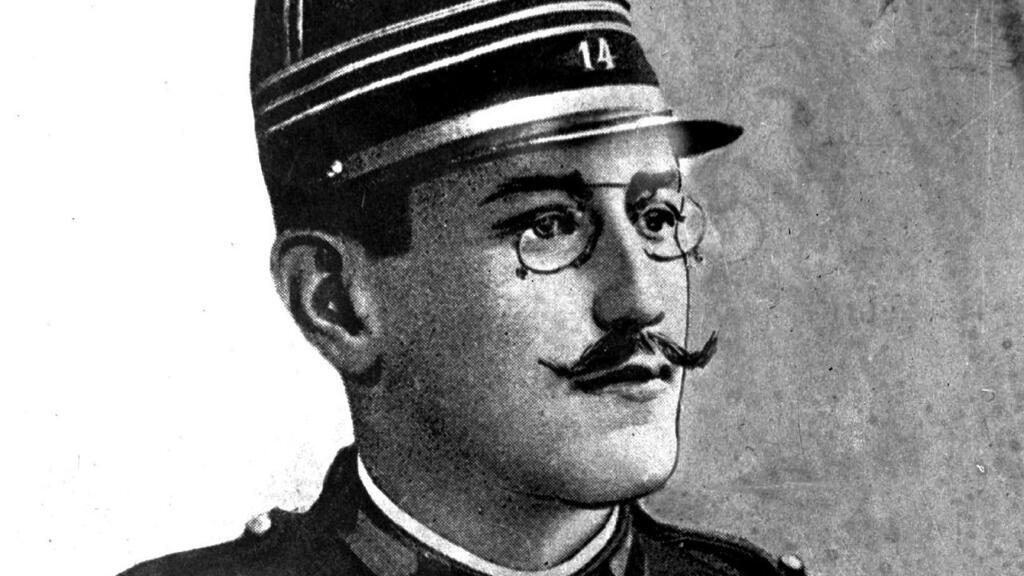
A Stain on the Republic: The Dreyfus Affair Revisited
To understand the weight of this parliamentary vote, one must look back to the 1890s, a period of deep political and social fracture in France. Alfred Dreyfus, a French artillery officer of Alsatian and Jewish descent, was wrongfully convicted of treason in 1894 for allegedly passing military secrets to the German Embassy. His conviction was based on flimsy, forged evidence and fueled by rampant antisemitism within the French military establishment and society at large.
The subsequent saga, known as the Dreyfus Affair, tore the nation apart. The famous headline “J’Accuse…!” by writer Émile Zola exposed the institutional corruption and prejudice that had condemned an innocent man. Dreyfus was stripped of his rank in a humiliating public ceremony and sentenced to life imprisonment on the notorious Devil’s Island. It would take years of relentless campaigning by his family and intellectuals—the “Dreyfusards”—before he was exonerated and reinstated into the army in 1906. Yet, he never rose beyond the rank of major, his career permanently scarred by the injustice.
A Modern Act of Reparation
Fast forward to 2025, and the French state has taken a definitive step to correct the historical record. The law, which passed despite some reservations from right and center-leaning senators, is a powerful symbolic gesture. For Prime Minister Gabriel Attal, who proposed the legislation, this was a matter of moral imperative. He framed the promotion as a final act of justice for a man who suffered immeasurably at the hands of the state he had sworn to serve.
“This is about reparation,” Attal stated, “and it is about recognition. It is about affirming, clearly and unambiguously, that the Republic acknowledges its errors and seeks to honor one of its most wronged sons.” The promotion to brigadier general is not an empty title; it is a formal acknowledgment that Dreyfus’s career was unjustly truncated and that his legacy is one of resilience in the face of monumental injustice.
Why Now? The Enduring Legacy of the Dreyfus Affair
One might wonder, why is this happening now, more than 120 years after his exoneration? The answer lies in the enduring power of the Dreyfus Affair as a cautionary tale. It remains a foundational story about the dangers of nationalism, xenophobia, and the fragility of truth in the face of institutional power. In an era where misinformation can spread globally in seconds and where prejudice again threatens social cohesion, the story of Alfred Dreyfus feels startlingly contemporary.
This parliamentary act serves as a potent reminder of the importance of defending democratic values and the rule of law against the corrosive forces of bigotry and fake news. It reinforces the idea that the fight for justice is never truly over, and that historical wrongs, even those from a distant past, can and should be addressed. The promotion sends a message to modern France and the world: the principles of liberty, equality, and fraternity must be vigilantly protected.
Navigating Political Reservations
The path to this historic vote was not without its political friction. Reports indicate that senators from the right and center expressed reservations. Some questioned the precedent of posthumous promotions, while others argued that revisiting historical events through a modern lens was a complex and potentially divisive endeavor. Yet, the compelling moral argument for the promotion ultimately prevailed. The debate itself mirrored, in a much milder form, the national schism of the original Affair, demonstrating that its echoes are still faintly audible in French political life.
A Symbol for the Ages
For the descendants of Alfred Dreyfus and for the Jewish community in France, this decision carries immense emotional weight. It is a state-sanctioned vindication that goes beyond the 1906 rehabilitation. It elevates Dreyfus not just in military rank, but in the national memory. He is no longer just a victim of a miscarriage of justice; he is now formally recognized as a general who should have been.
This act of promotion does not erase the pain of the past, but it does offer a form of closure. It completes a story that has been a running sore in French history. The image of Alfred Dreyfus, the brigadier general, will now stand as a permanent testament to the idea that truth, however long suppressed, will eventually prevail. It is a story that asks a timeless question: how does a nation reconcile with the darkest chapters of its own history? France’s answer, delivered in a parliamentary vote in 2025, is through courage, acknowledgment, and a steadfast commitment to justice.
As the final vote was cast, it was clear that this was more than just a political procedure. It was a moment of national reflection, a belated honor for a man whose name became synonymous with the struggle for truth against power. The promotion of Alfred Dreyfus is a powerful lesson from history, finally given its proper, dignified conclusion.
Source: RFI – France: Le Parlement élève Alfred Dreyfus au grade de général de brigade