

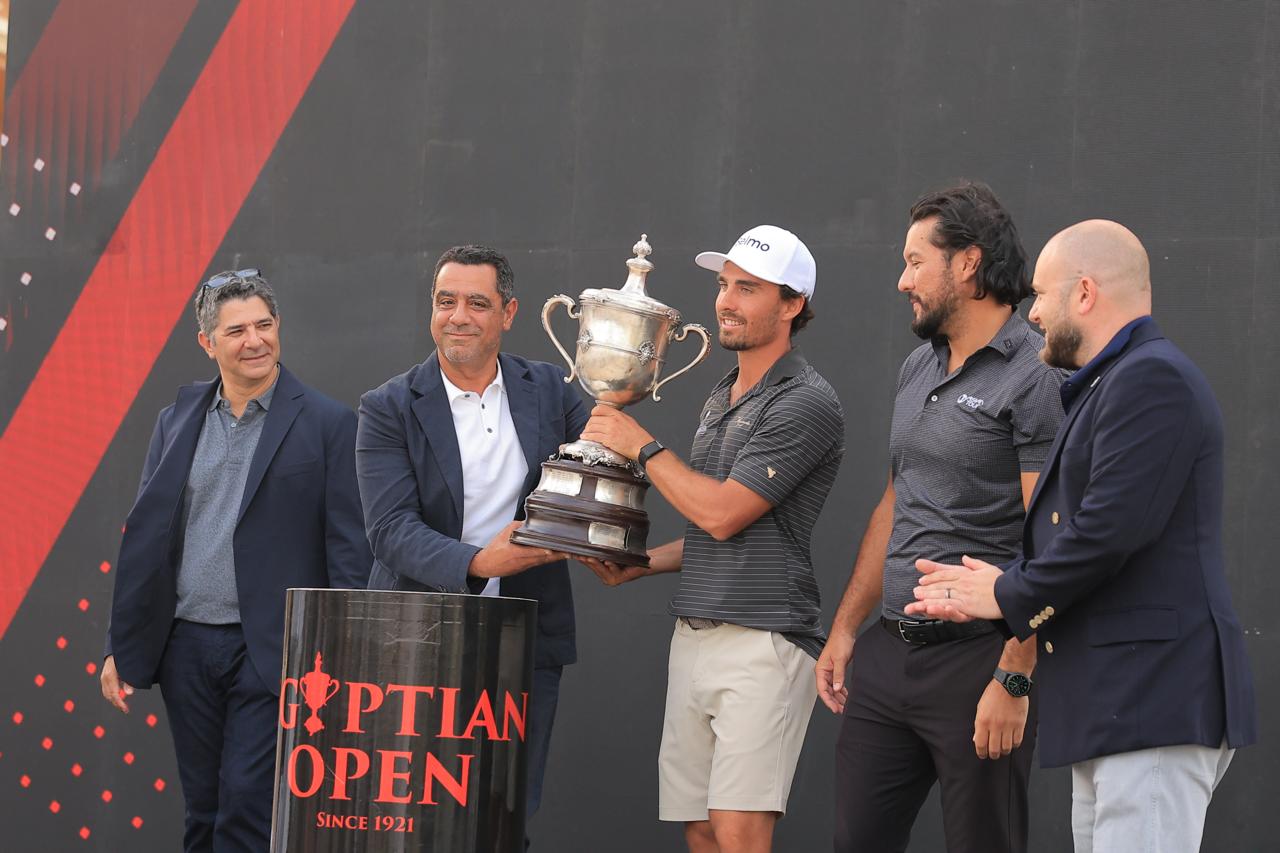
This autumn, on the pristine greens of Madinaty, a powerful symbol of renewal unfolded. The Egyptian Open for Professionals, dormant for 15 years, welcomed players from 35 nations. For Egypt’s sporting establishment, this was far more than a tournament’s return; it was the culmination of a deliberate, multi-year strategy to redefine golf’s role in the nation—transforming it from a perceived colonial-era relic for the elite into a dynamic engine for economic development, tourism, and national pride.
Spearheading this institutional rebirth is the Egyptian Golf Federation (EGF), under the chairmanship of Omar Hisham Talaat Moustafa. Since his appointment, the Federation has executed a three-pronged strategy with remarkable precision: infrastructure modernization, regulatory alignment with global standards, and a ruthless pursuit of financial sustainability. This holistic approach has repositioned golf not as a peripheral pastime, but as a high-yield national asset.
Egyptian Golf Federation’s Economic Independence and Media Momentum
The core of this strategy is a masterful pivot to sports tourism. Recognizing that world-class events drive international visitation, the EGF orchestrated a packed calendar of five major international championships in a single year. This wasn’t merely about hosting tournaments; it was a calculated move to insert Egypt into the global golf circuit’s conversation, directly supporting the government’s ambitious target of attracting 30 million annual tourists by 2030. Each event serves as a live advertisement for Egypt’s luxury travel and hospitality sectors.
Perhaps the most telling metric of this transformation is financial. In a historic first, the EGF recorded a surplus of approximately 7 million EGP. This breakthrough was not achieved through government subsidy alone but via a deliberate diversification of revenue streams. The Federation aggressively pursued corporate sponsorships, optimized tournament fees, and developed commercial partnerships, creating a model of financial independence that is now studied by other Egyptian sports federations. This economic turnaround provides the crucial fuel for long-term growth, freeing the sport from the volatility of public funding.
Financial health was matched by a surge in public visibility. A landmark partnership with ON Sports Network, sponsored by United Sports Company, brought golf into Egyptian living rooms. Live broadcasts amassed over 5 million views in just two months, demystifying the sport and creating new fans. “Golf in Egypt is no longer viewed as a niche sport or a marginal activity,” the Federation declared, citing a 30% increase in registered players and a doubling of casual participation—evidence of a rapidly broadening appeal.
This growth is underpinned by a significant infrastructure boom. Egypt now boasts between 25 and 30 golf courses either operational, under construction, or in advanced planning. This expanding network forms the backbone of the sport’s ecosystem, enabling a dense tournament schedule. Critically, the EGF has strategically geographic diversity, hosting events from the urban sophistication of New Giza and Dreamland to the stunning coastal vistas of Sokhna Golf on the Red Sea. This deliberate placement showcases Egypt’s varied tourism offerings, turning each tournament into a regional showcase. The economic impact is tangible: in one quarter alone, these events generated over 2,000 hotel room nights, providing a direct and welcome boost to local economies.
The Road to 2032
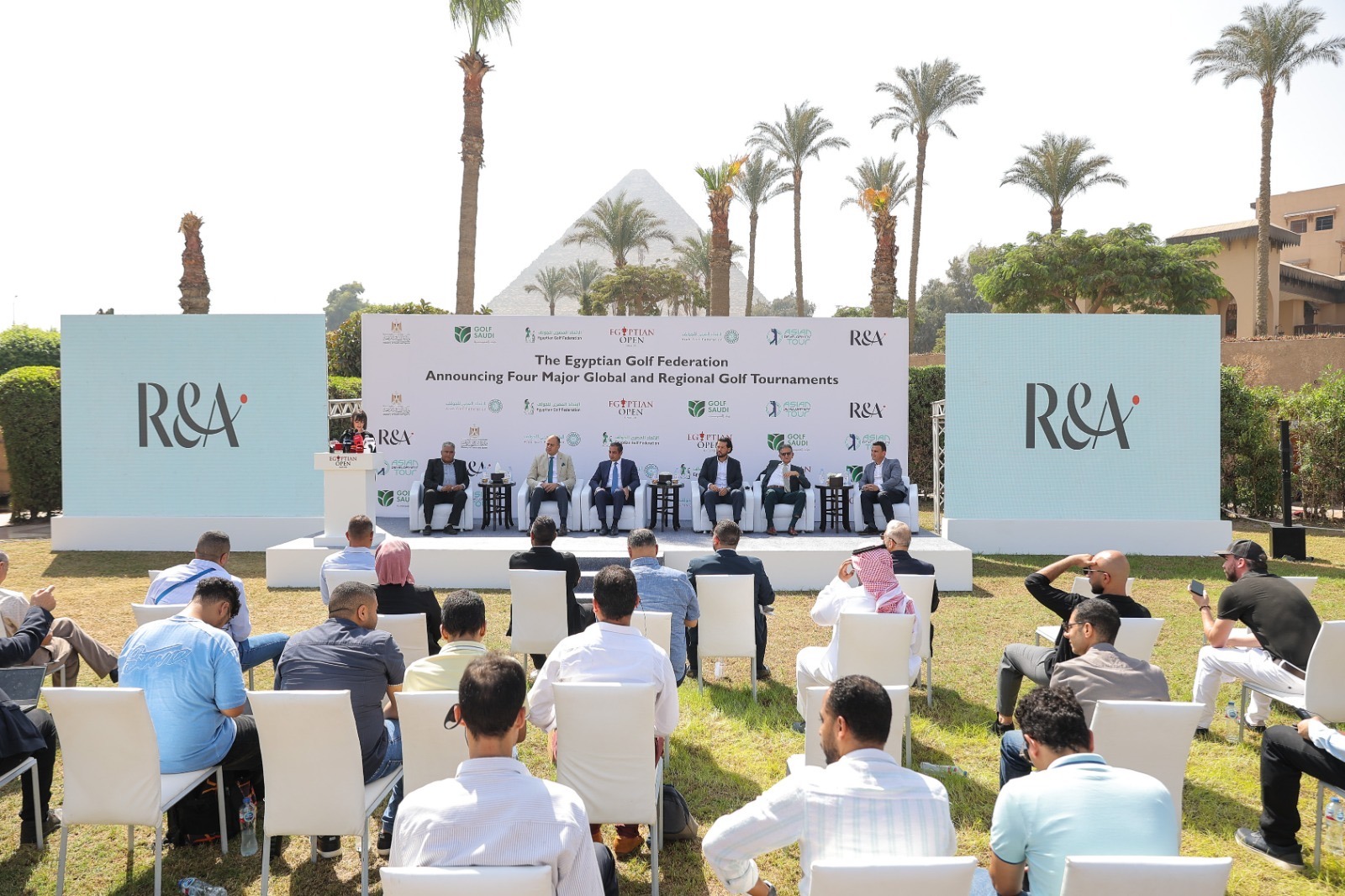
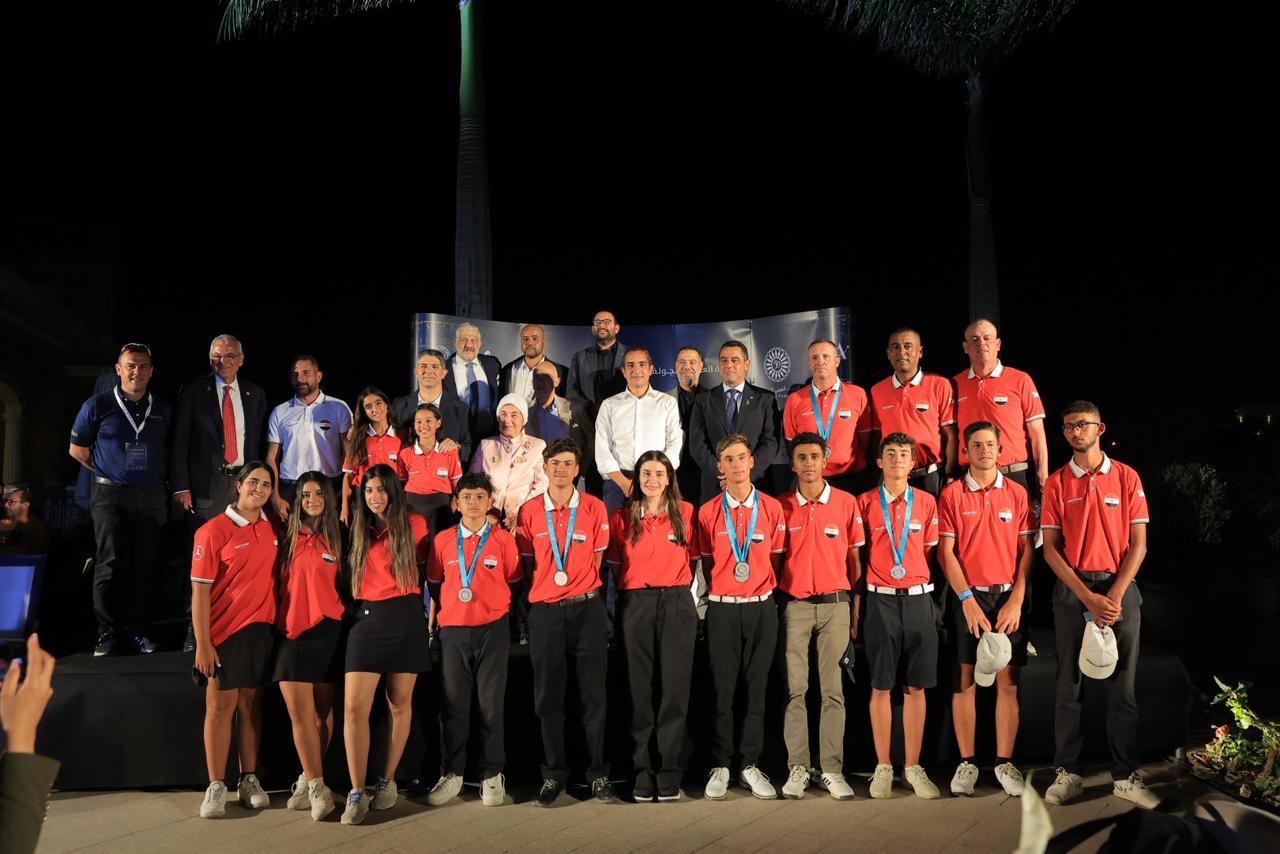
With the foundational pillars of finance, visibility, and infrastructure now solid, the Federation’s gaze is turning to the future. The appointment of world-renowned technical expert Stuart Clayton as Technical Director signals a pivotal shift from merely hosting world-class sport to producing world-class athletes. The long-term ambition is audacious and clear: to cultivate Egypt’s first Olympic golf champion, with a detailed roadmap targeting the 2032 Games.
To bridge the gap between amateur promise and professional success, the EGF has secured a strategic partnership with the MENA Golf Tour to revive the “Egypt Golf Series.” This four-tournament circuit in early 2026, offering $400,000 in total prize money, provides Egyptian professionals with vital competitive experience on home soil and creates a clear performance pathway.
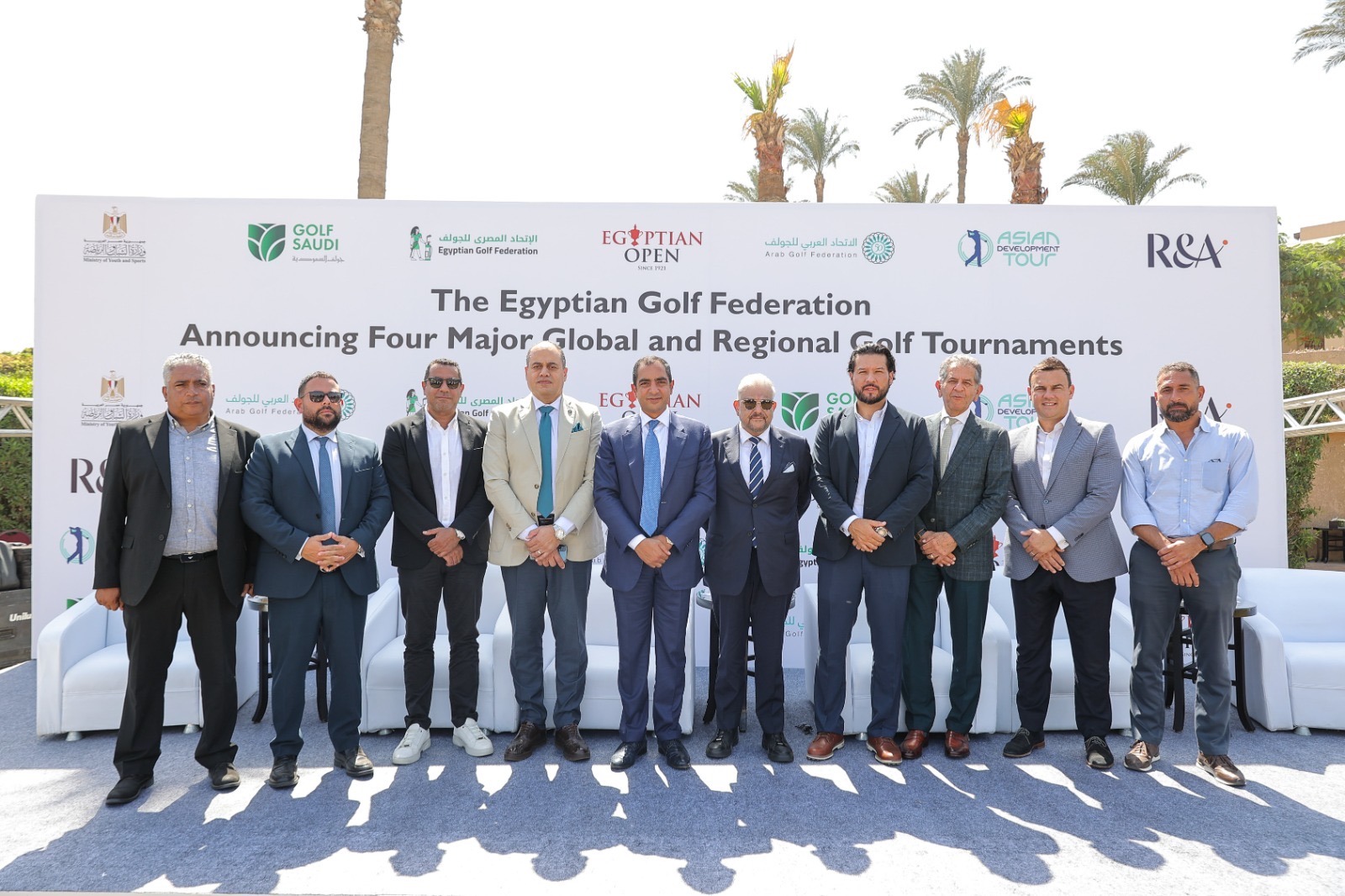
Egypt’s rapid ascent has not gone unnoticed. The recent election of Chairman Omar Hisham Talaat to the Executive Board of the Arab Golf Federation is a significant diplomatic victory, affirming Egypt’s restored leadership role in regional sports governance. It provides a platform to share its transformative model and shape the sport’s future across the Middle East and North Africa.
As the EGF enters 2026, the momentum is undeniable. What began as an effort to revive a single tournament has blossomed into a comprehensive national sports strategy. Egypt is no longer just a participant on the global golf stage; through professionalized systems, sustainable economics, and a bold vision for athletic excellence, it is positioning itself to help lead it.
This analysis is based on an original report. Full credit goes to the source. We invite our readers to explore the original article for more insights directly from the source. (Source)