

Gabonese Court Dismisses Election Appeals on Procedural Grounds, Spotlighting Legal Literacy in Local Politics
PORT-GENTIL, Gabon – In a ruling that underscores the primacy of procedural law in electoral disputes, the Port-Gentil Administrative Court has dismissed two separate appeals challenging recent local election results. The court’s decision, handed down on Friday, was based not on the merits of the claims but on the appellants’ failure to file within strict legal deadlines, a move analysts say highlights a critical gap in legal preparedness among some political actors.
The cases, as reported by Gabon Actu, involved challenges to the elections of the Mayor of Gamba and the President of the Ndoungou Departmental Assembly. Both appeals were filed by officials from the opposition Democratic Union of Builders (UDB) party.
A Matter of Timing: Legal Deadlines Prove Decisive
The court’s judgment hinged on clear-cut violations of the Gabonese Electoral Code. For the appeal against the Mayor of Gamba’s election, filed by municipal councilor Dieudonné Mboumba, the timeline was fatal. The Minister of the Interior announced the results on November 11. According to Article 354 of the Organic Law governing electoral disputes, challenges to local consultations must be filed within ten days.
Mboumba’s appeal, dated November 13 and filed at the court registry on November 27, arrived sixteen days post-announcement. The government commissioner (commissaire à la loi) consequently deemed the appeal “time-barred,” leading to its dismissal for inadmissibility.
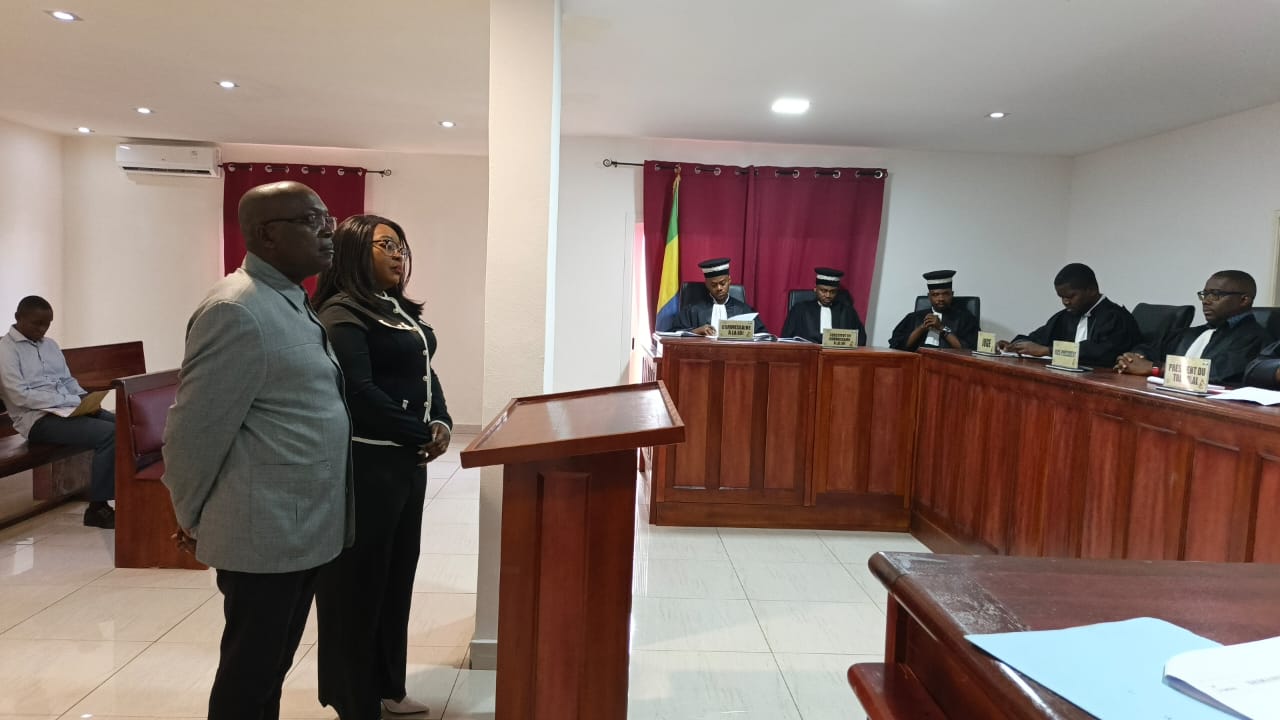
A parallel appeal by UDB official Thierry Davy Kouima, seeking to annul the election of the President of the Ndoungou Departmental Council, met an identical fate. The court found the same procedural shortcomings, citing Articles 273 and 274 of the Electoral Code.
Beyond the Ruling: A Judicial Call for Greater Legal Acumen
The court’s president, Yannick Confidence Mwono Efoua, used the occasion to issue a broader admonition. He urged political actors to gain a “better command of the legal framework” governing elections. This statement transcends the immediate cases, pointing to a systemic issue where potentially substantive claims of irregularity—such as those raised concerning the convening of councilors and electoral colleges—are rendered moot by basic procedural errors.
“This ruling is a classic example of procedure trumping substance,” explained a Libreville-based legal analyst who spoke on background. “It serves as a costly reminder to all parties, especially opposition groups, that navigating the post-electoral landscape requires meticulous adherence to statutory timelines. A failure to do so can legitimize outcomes they seek to contest.”
Implications for Gabon’s Local Governance
The dismissals clear the final legal hurdle for the installation of the elected officials in Gamba and Ndoungou, providing stability for local administrations. However, the circumstances of the ruling may fuel perceptions of an uneven playing field, where resource disparities impact the ability to mount effective legal challenges.
For observers of Gabon’s political evolution, the episode underscores the increasing judicialization of electoral politics. It suggests that future political strategy must integrate robust legal planning, with clearly defined timelines for potential disputes, to ensure that challenges are heard on their substantive grounds rather than dismissed on technicalities.
Primary source for factual basis: Gabon Actu – “Appeals Against Gamba Mayor and Ndoungou Departmental Assembly President Elections Dismissed” (December 13, 2025).