

Gambian Journalists Train on Ethical Reporting of GBV and Child Protection
By Nelson Manneh
Capacity Building for Sensitive Reporting
Media professionals across The Gambia have begun intensive training on child-sensitive reporting and ethical coverage of Gender-Based Violence (GBV) and Sexual Exploitation, Abuse, and Sexual Harassment (SEA/SH) cases. The program, which started on April 22, 2025, is organized by the Sub-Saharan Africa Women’s Empowerment and Demographic Dividend Project Plus (SWEDD+) under the Ministry of Health Projects Coordination Unit.
Enhancing Journalistic Standards
The initiative focuses on improving journalists’ skills in handling sensitive stories involving vulnerable groups, particularly women and children. Participants are learning professional standards that prioritize survivors’ dignity and rights while maintaining ethical reporting practices.
About the SWEDD+ Project
SWEDD+ is a regional program designed to empower adolescent girls and young women by increasing access to education, healthcare, and economic opportunities. The project simultaneously addresses the root causes of gender-based violence and works to reduce female school dropout rates across Sub-Saharan Africa.
Project Expansion and Goals
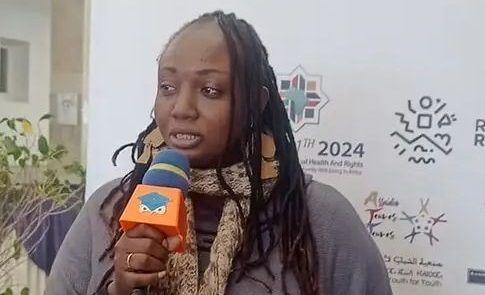
Phebian Ina Grant Sagnia, GBV/SEA/SH focal person and reproductive health specialist, explained that SWEDD+ builds on the foundation of the original 2015 SWEDD project. “This regional initiative focuses on empowering women and girls in the Sahel region while addressing demographic challenges through investments in education, health, and economic opportunities,” Sagnia stated.
The project also promotes quality reproductive health services and aims to accelerate demographic transition in participating countries by lowering mortality and fertility rates.
Media’s Critical Role in GBV Reporting
Adama Makasuba, Board Member of the Gambia Press Union (GPU), emphasized the media’s powerful influence in GBV cases. “How we report GBV stories can either promote justice and healing or reinforce stigma and silence,” Makasuba noted. “That’s why building media capacity is both necessary and urgent.”
Commitment to Ethical Journalism
Makasuba stressed the importance of reporting that protects children’s rights and preserves survivors’ dignity: “Ethical, sensitive reporting that avoids sensationalism must become our standard.” He highlighted the journalistic Code of Conduct as essential for maintaining professionalism and accountability.
The GPU board member encouraged active participation in the training and reaffirmed the union’s dedication to improving media practices, protecting press freedom, and advancing human rights nationwide.
A Step Toward Positive Change
This training marks significant progress in aligning journalism with child protection and gender equity principles. By equipping media professionals with these critical skills, the initiative helps transform the media into a powerful tool for addressing GBV and safeguarding vulnerable populations.