

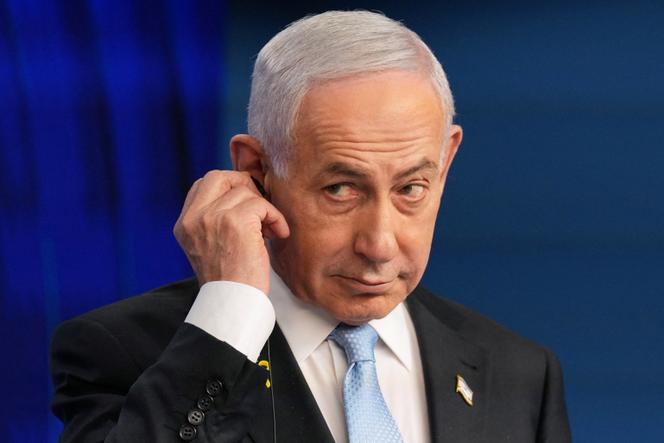
The recent approval of a revised $30 billion (€30B) natural gas export agreement between Israel and Egypt is far more than a simple contract renewal. It represents a critical geopolitical maneuver, orchestrated under significant U.S. pressure, to stabilize a key regional alliance and secure European energy supplies in a volatile global market. The deal, greenlit by Israeli Prime Minister Benjamin Netanyahu on December 17, resolves a contractual impasse that had threatened a vital economic and strategic partnership.
The financial scale of the agreement is unprecedented for Israel. Netanyahu confirmed the state will receive approximately $15.3 billion (€15.3B), with structured payments ensuring long-term revenue: around $130 million (€130M) annually for the initial four years, ballooning to roughly $1.6 billion (€1.6B) per year thereafter. This revenue stream is crucial for Israel’s economy, but the strategic value is arguably greater. As Israeli Energy Minister Eli Cohen stated, this is “the largest export agreement in the history of the State,” leveraging Israel’s massive offshore reserves, estimated at 1,087 billion cubic meters.
“Purely Commercial Transaction”
To understand the U.S. pressure, one must examine the context. The original 2019 agreement, guaranteeing deliveries until 2030, had become strained. Regional tensions and political friction between Cairo and Jerusalem created operational uncertainties, jeopardizing the flow of gas. For the United States, this corridor is a linchpin in its strategy to diversify Europe’s energy away from Russian dependence. Egypt’s liquefaction plants are essential for converting Eastern Mediterranean gas into LNG for European markets. Washington, therefore, acted as a forceful mediator, pushing both parties to not only resolve their differences but to expand the deal’s scope and duration to ensure long-term stability.
The updated agreement, extending the export framework to 2040, provides the certainty needed for major investments. The consortium, led by American energy giant Chevron Corporation alongside Israeli partners, can now confidently plan to increase export volumes. This is a win for U.S. corporate and foreign policy interests. For Egypt, the deal secures a reliable supply of cheaper gas for its domestic market and solidifies its role as a regional energy hub, processing and re-exporting Israeli gas for profit. For Europe, it promises another non-Russian energy pathway, enhancing energy security.
In essence, this is a textbook case of energy geopolitics. A lucrative commercial deal was stalled by bilateral discord, threatening broader regional and global energy goals. External great-power intervention (from the U.S.) was required to realign national interests with strategic imperatives. The resulting contract is not merely a transaction; it is a tool of statecraft, binding Israel and Egypt in a long-term economic relationship that acts as a buffer against political volatility, while feeding into the West’s strategic energy objectives.
You have 74.9% of this article left to read. The rest is reserved for subscribers.