

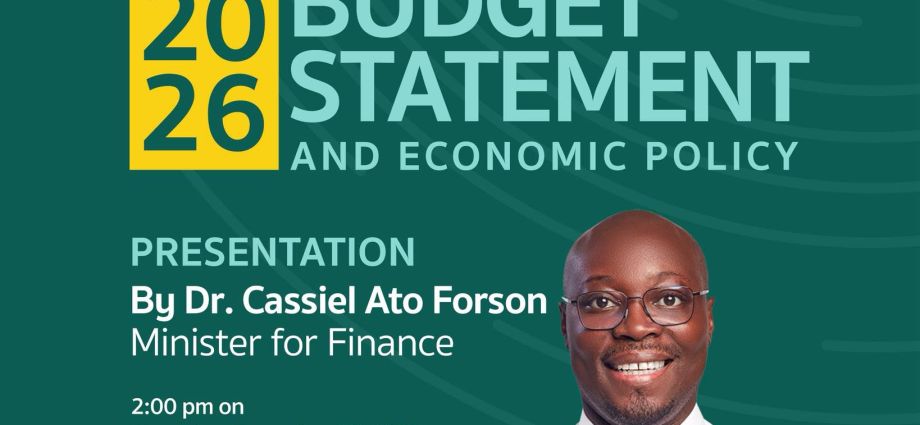
Ghana’s 2026 Budget Unveiled: Finance Minister Ato Forson Charts Path for Sustained Growth
Ghana’s Finance Minister, Dr. Cassiel Ato Forson, is set to present the highly anticipated 2026 Budget Statement and Economic Policy to Parliament today. This crucial fiscal blueprint will detail the government’s spending priorities, revenue strategies, and overall economic vision for the coming year, setting the stage for the next phase of the nation’s development.
A Budget Forged Through Consultation
This year’s budget follows an extensive period of dialogue with a broad spectrum of stakeholders. From captains of industry to civil society advocates and international development partners, the government has engaged in wide-ranging consultations. Consequently, this policy statement is poised to be one of the most scrutinized in recent years, effectively laying the groundwork for Ghana’s medium-term economic trajectory.
Building on a Foundation of Recovery
The budget arrives at a time of remarkable economic turnaround. The nation has made significant strides in stabilizing its fiscal house. Consider the numbers: public debt has plummeted from a peak of 93.3% of GDP in 2022 to a more manageable 44.9% by mid-2025. The relentless inflation that once plagued consumers has cooled dramatically, falling from 54.1% in 2022 to 8% as of October 2025. Meanwhile, GDP growth has shown vigorous signs of life, doubling to 6.3% in the second quarter of 2025, signaling restored investor confidence and a resilient economic rebound.
Key Pillars of the 2026 Fiscal Plan
The 2026 Budget is widely expected to pivot from stabilization to aggressive, inclusive growth. Key areas of focus will likely include:
Accelerated Infrastructure Development
The government is projected to more than double its capital injection into road infrastructure, with over 60 major projects already in the pipeline. Significant funding boosts are also anticipated for upgrading healthcare and educational facilities across the country, addressing critical gaps in public services.
Fiscal Discipline and Social Empowerment
Maintaining macroeconomic stability will remain a core tenet. The budget is expected to reinforce fiscal discipline while expanding social protection programs and promoting initiatives for education and youth empowerment. The overarching goal? To drive substantial job creation through a revitalized, private sector-led growth model.
A New Policy Direction Under Mahama’s Administration
This presentation carries particular weight as it represents the first full-year budget of President John Dramani Mahama’s administration since his return to office. Economic analysts and citizens alike are watching closely to see how this budget will distinguish itself from the inherited fiscal framework that guided the 2025 statement. The central question is whether the policies will successfully transition from a crisis-management mode to a long-term strategy for sustainable and equitable prosperity.
As Dr. Ato Forson addresses the nation today, the delicate balancing act will be clear: how does the government uphold fiscal responsibility while simultaneously meeting the urgent demand for transformative economic change? Ghanaians are looking for concrete measures that not only consolidate recent gains but also secure a future of widespread, long-term prosperity. This budget is more than a statement of accounts; it is a reflection of a recovery hard-won and a blueprint for the nation’s future under President Mahama’s leadership.
Source: Adapted from the original report on the 2026 Budget Statement.