

Kenya’s Indigenous Vegetables: From “Poor Man’s Food” to Nutritious Superfood Trend
By Basillioh Rukanga | BBC News, Nairobi
The Remarkable Revival of Traditional Kenyan Greens
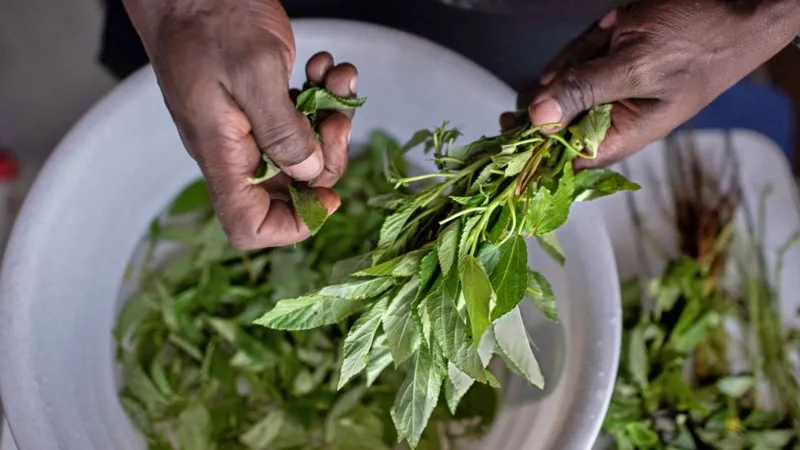
Once dismissed as “wild weeds” and considered “poor man’s food,” Kenya’s indigenous leafy vegetables are experiencing an extraordinary renaissance. These nutrient-packed traditional crops are now cultivated on farms, sold in bustling markets, and featured prominently on restaurant menus across the country.
At Skinners Restaurant in Gachie, just outside Nairobi, demand for these local varieties—collectively known as “kienyeji”—now surpasses that for conventional greens. “Many people specifically request kienyeji when they dine here,” explains restaurant employee Kimani Ng’ang’a, noting they command premium prices due to their relative scarcity.
Colonial Legacy vs. Traditional Nutrition
The popularity shift represents a dramatic change in Kenyan dietary habits. Vegetables like cabbage, spinach, kale, and spring greens—introduced during colonial times—remain more affordable and widely available. Spring greens, locally called “sukumawiki” (Swahili for “stretch the week”), became staple foods for their affordability.
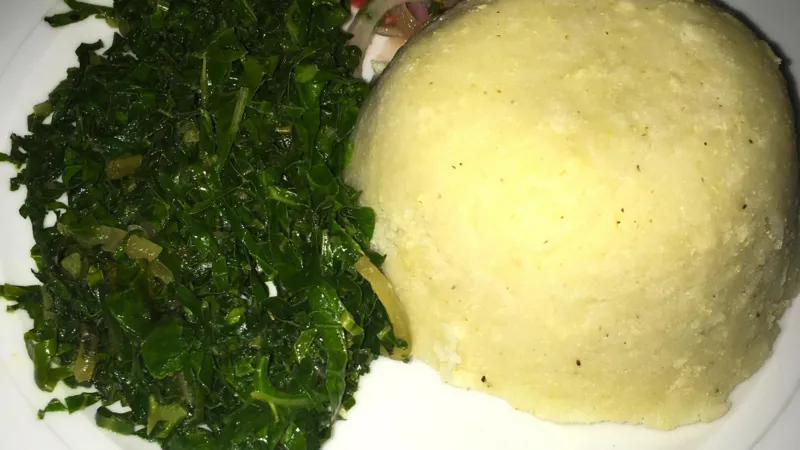
However, a growing number of health-conscious Kenyans now recognize the superior nutritional value of indigenous varieties. “It detoxifies the body and aids weight loss,” says James Wathiru, a patron enjoying managu (African nightshade). Others praise the distinctive flavors, with one diner noting simply, “The taste is better.”
Scientific Validation of Traditional Foods
Professor Mary Abukutsa-Onyango, a leading horticulture expert, confirms this dietary shift is reflected in government data. Indigenous vegetable production has doubled in the past decade, reaching 300,000 tonnes last year—a remarkable turnaround for crops once considered inferior.
“In the 1980s when I began my studies, these plants were literally called weeds,” Prof Abukutsa-Onyango recalls. “Amaranth was ‘pigweed,’ spider plant was ‘spider weed’—we received no education about their nutritional value.”
Her groundbreaking research revealed that varieties like managu, mrenda (jute mallow), and terere (amaranth) contain:
- Higher levels of vitamins A and C
- More essential minerals than imported greens
- Powerful antioxidants that boost immunity
- Some varieties even provide plant-based protein
Notably, 100g of mrenda—known for its unique slimy texture when cooked—contains more nutrients than an equivalent portion of common cabbage.
UNESCO Recognition and Conservation Efforts
In 2021, UNESCO acknowledged Kenya’s efforts to safeguard this culinary heritage, praising initiatives that began in 2007 to document traditional foods. The national inventory now includes 850 indigenous plants with their local names.
However, challenges persist. Francis Ngiri, a farmer who relocated to Kenya’s Rift Valley to preserve indigenous crops, explains how colonial-era farming practices damaged ecosystems: “The soil became too acidic for native species after decades of chemical fertilizers.”
On his four-acre organic farm in Elementaita, Ngiri has expanded from 14 native varieties in 2016 to 124 today—many obtained through seed exchanges with fellow farmers. His conservation work attracts visitors from across East Africa.
The Seed Law Controversy
Ironically, these preservation efforts technically violate Kenyan law. A 2012 statute prohibits exchanging uncertified seeds—including heirloom varieties—to protect farmers from poor-quality seeds. Wambui Wakahiu of Seed Savers Network reports this has already caused the loss of 35 traditional varieties in one county alone.
“If farmers focus only on exotic seeds, traditional varieties disappear,” Wakahiu warns. While authorities haven’t prosecuted seed-swappers, the law prevents commercializing these heritage crops.
Dr. Peterson Wambugu of Kenya’s national gene bank acknowledges the conflict with international treaties protecting farmers’ seed rights. Proposed legal reforms would permit exchanges while maintaining sales restrictions—a compromise that still leaves full acceptance of indigenous crops incomplete.
Market Demand Outpaces Supply
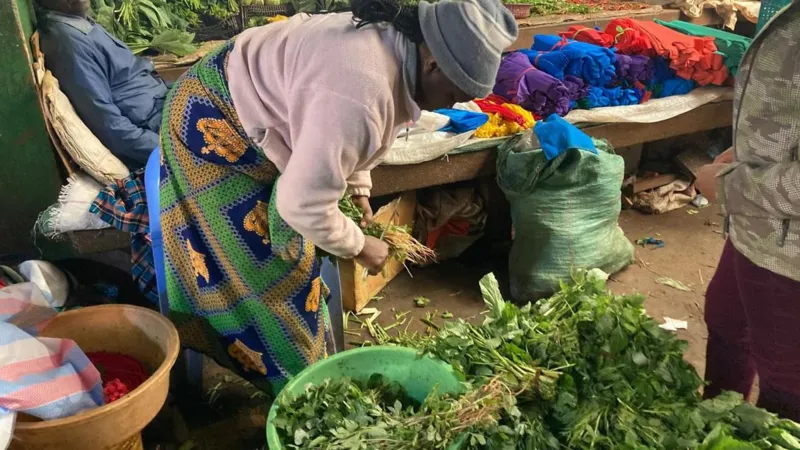
Despite regulatory hurdles, consumer demand continues growing. At Wangige market near Nairobi, vendor Priscilla Njeri confirms indigenous greens now outsell conventional varieties: “Managu, terere, and kanzira [African kale] are most popular—especially for people with sensitive digestion.”
As media campaigns raise awareness of their health benefits, these traditional vegetables—once symbols of poverty—have become emblems of nutritional wisdom and cultural pride. With 700,000 tonnes of sukumawiki still produced annually (more than double all indigenous greens combined), the culinary revolution still has room to grow—one nutrient-dense leaf at a time.
Original reporting by Basillioh Rukanga for BBC News