

In a pivotal moment for Niger’s national journey, the “Al’adun Gargajiya” (Heritage Traditions) festival in Matamèye emerges not merely as a celebration, but as a profound act of cultural sovereignty and social engineering. Running from December 29 to 31, 2025, this initiative by the Prefect of Kantché department transforms the Zinder region into a dynamic testament to a core principle: a nation’s strength and unity are inextricably linked to the vitality of its indigenous traditions.
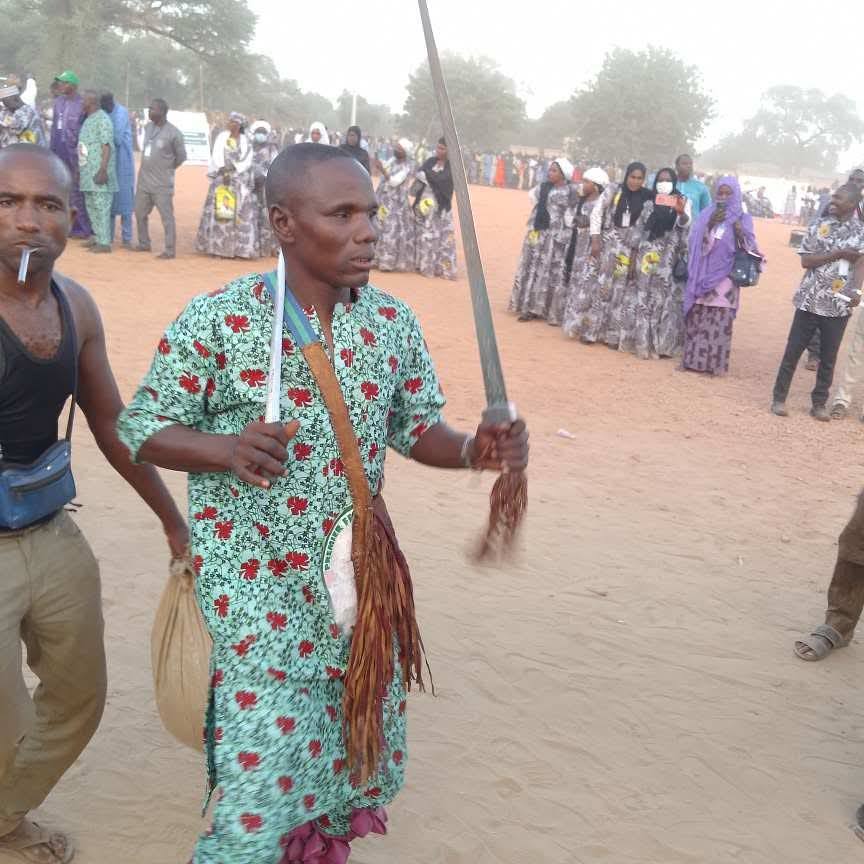
Al’adun Gargajiya Festival: An Ethnic Mosaic Serving Peace
The festival’s power stems from its setting. The Kantché department, with Matamèye at its heart, is a historical microcosm of Niger itself—a centuries-old crossroads where diverse ethnic groups like the Hausa, Kanuri, Fulani, and others have woven a social fabric based on coexistence. The Al’adun Gargajiya festival consciously leverages this reality. It operates on the understanding that true unity isn’t uniformity, but the harmonious orchestration of distinct cultural voices. By providing a dedicated platform for each group’s unique expressions—from distinct musical rhythms and dance forms to specific oral histories—the festival visually and audibly demonstrates that social cohesion is built upon mutual recognition and respect for difference.
Since its opening, the event has served as a national convocation. The arrival of delegations from across Niger underscores a collective commitment to this cultural project. In the context of the nation’s broader “refoundation,” this gathering is a strategic response to modern challenges. It posits that in a globalized world, the most resilient identity is one that is consciously rooted. The festival answers the question: What holds a nation together when external pressures mount? Its answer is the shared, tangible experience of a heritage that predates modern borders.
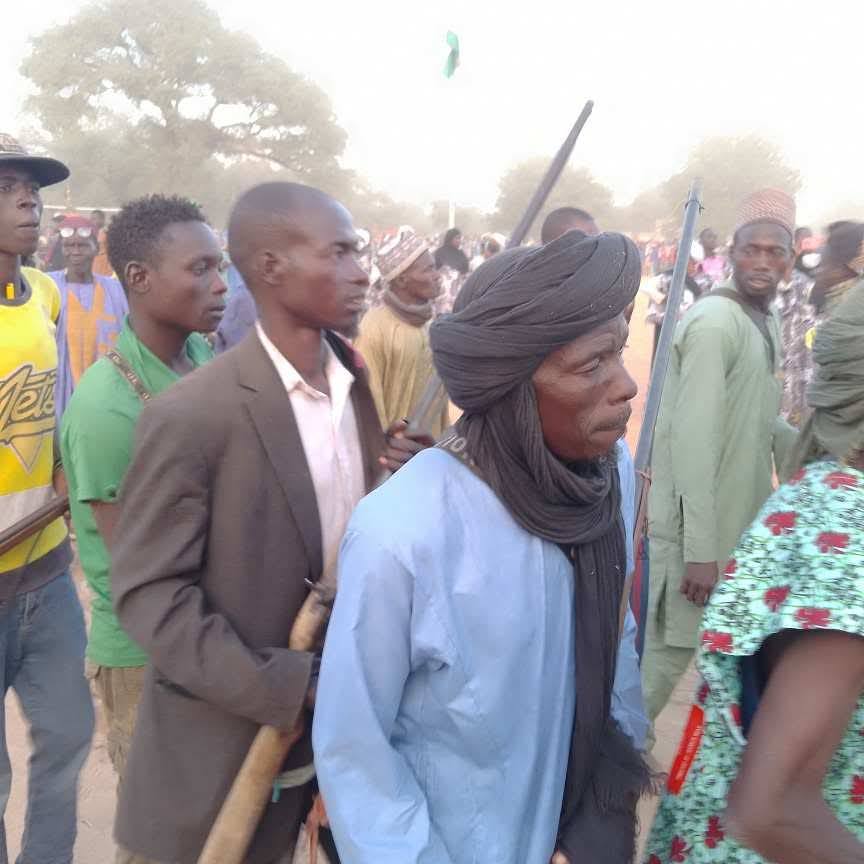
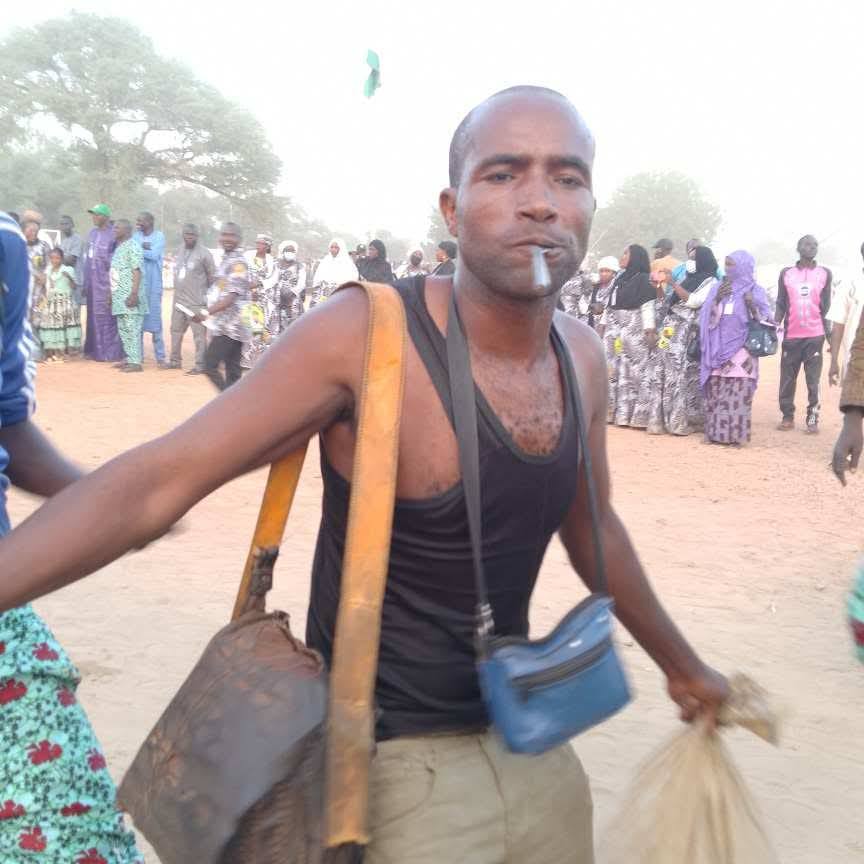
The Awakening of Ancient Traditions
Beyond spectacle, the festival functions as a living archive and an intergenerational bridge. Many demonstrated traditions—specific ceremonial dances, intricate oral poetry contests (kazako), or ancestral rites of passage—face the threat of erosion in the digital age. Their curated presentation here is an active act of preservation. This is crucial for national identity formation. For the younger generation, seeing these practices honored on a major stage transforms abstract “tradition” into a source of contemporary pride and relevance. It forges what scholars call “patriotism of the soil,” a deep-seated loyalty born from understanding one’s place in a historical continuum, rather than a purely political construct.
The Prefect’s role as organizer is thus highly symbolic, merging cultural stewardship with governance. By placing this festival at the center of the departmental agenda, he models a governance philosophy where culture is not a sidebar to development but its foundational pillar. This aligns with a growing global recognition that sustainable development must be culturally-grounded. A state that is “aware of its history and proud of its roots,” as highlighted, is a state less susceptible to cultural alienation and more confident in articulating its own path forward.
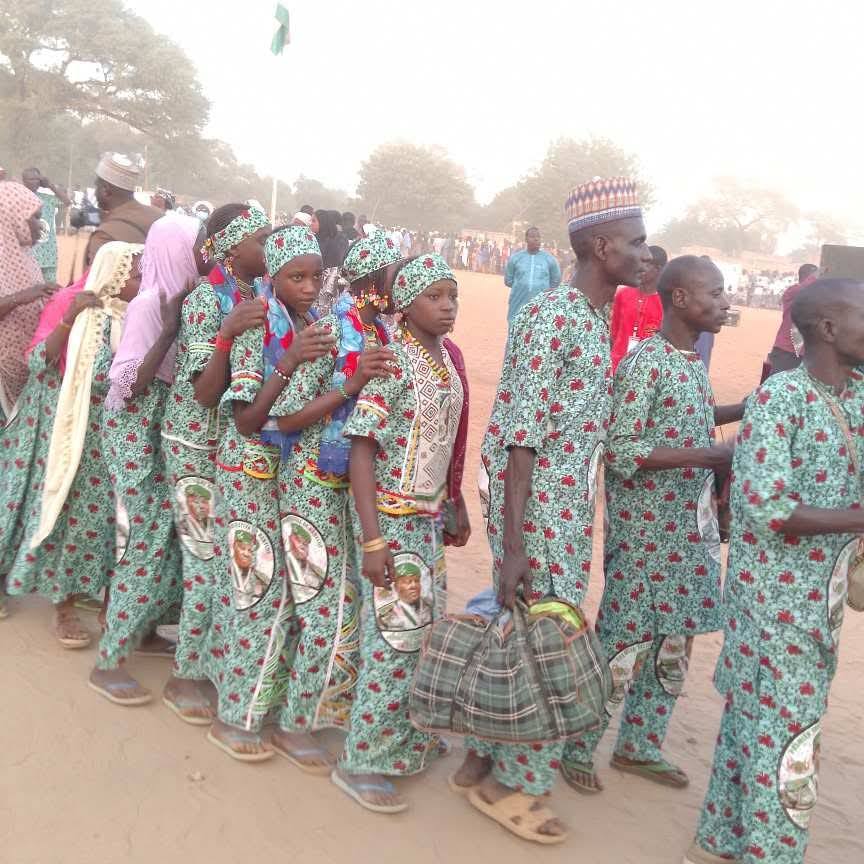
Culture: Pillar of National Refoundation
Ultimately, the message of Al’adun Gargajiya resonates far beyond Matamèye. It declares that Niger’s sovereignty is defended not only in political or economic arenas but in the spirited performances of its griots, the skillful movements of its dancers, and the collective memory of its people. As the drums echo to close 2025, the festival writes a powerful page: national unity, when watered by the deep wells of cultural heritage, yields a stronger, more resilient society.