

Namibia’s Rigid Voting Rules Disenfranchise Mobile Citizens in Recent Elections
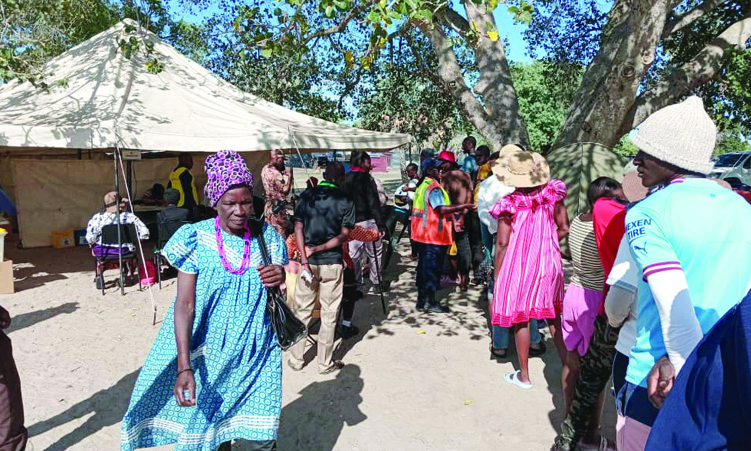
WINDHOEK – Strict constituency-based voting regulations prevented numerous eligible Namibians from participating in Wednesday’s national elections, exposing systemic barriers for students, workers, and citizens facing economic hardship.
The Human Cost of Electoral Inflexibility
Despite comprehensive voter education efforts by the Electoral Commission of Namibia (ECN), the requirement that citizens vote only in their originally registered constituencies created significant obstacles for those who had relocated after registration deadlines passed.
The case of Dina Gases illustrates the practical challenges facing mobile populations. After registering in Katutura East constituency, Gases experienced an unexpected move to the John Pandeni area in Soweto. When she attempted to vote at her new local polling station, she was turned away and directed to her original constituency—a journey she couldn’t afford to make.
“I didn’t move by choice – it was sudden, and I wanted to vote, but now I can’t,” Gases told The Namibian. “The ECN rule isn’t voter-friendly because they didn’t consider these situations. We need to reach a point where we can vote in any constituency.”
Her situation was compounded by financial constraints preventing taxi travel to her designated polling station and work commitments requiring her presence by 2:00 PM.
Political Fallout and Calls for Reform
The voting barriers prompted strong reactions from political leaders and election observers. Popular Democratic Movement secretary general Manuel Ngaringombe characterized the election challenges as stemming from “poor planning” during a Desert Radio interview.
“Our elections should be free and fair. The elections weren’t supposed to be conducted like this,” Ngaringombe stated. “We won’t accept these results, nor a government forced on people when we know they weren’t given a chance to vote.”
His comments reflect broader concerns about electoral integrity when systemic barriers prevent citizen participation.
Structural Problems in a Mobile Society
Outgoing Windhoek councillor Fransina Kahungu highlighted the disconnect between Namibia’s electoral framework and the reality of its mobile workforce. “Turning people away for voting in the wrong constituency is problematic since some couldn’t go to their registered constituencies because they work in different areas,” she noted.
Kahungu joined calls for the ECN to “reform its system and enable all Namibians to vote anywhere in the country,” recognizing that population mobility has become a defining feature of modern Namibian society.
Her position underscores a growing recognition that electoral systems must adapt to demographic realities rather than expecting citizens to conform to rigid administrative boundaries.
Broader Implications for Democratic Participation
The disenfranchisement of mobile citizens raises fundamental questions about electoral accessibility in developing democracies. While the ECN conducted extensive voter education, the effectiveness of these efforts is undermined when structural barriers prevent implementation.
The situation particularly affects younger voters, economically disadvantaged populations, and workers in the informal sector—groups that often experience higher mobility due to educational opportunities, employment demands, or housing instability.
As Namibia continues to develop its democratic institutions, this election has highlighted the tension between administrative efficiency and inclusive participation. The challenge moving forward will be balancing electoral integrity with accessibility for all eligible citizens, regardless of their economic circumstances or residential mobility.
This report is based on original reporting from The Namibian. Full credit and acknowledgment go to the original source journalists.