

Migration Myths: How Social Media Shapes Gambian Dreams of Europe
By Sankulleh Gibril Janko
The Harsh Reality Behind Social Media Dreams
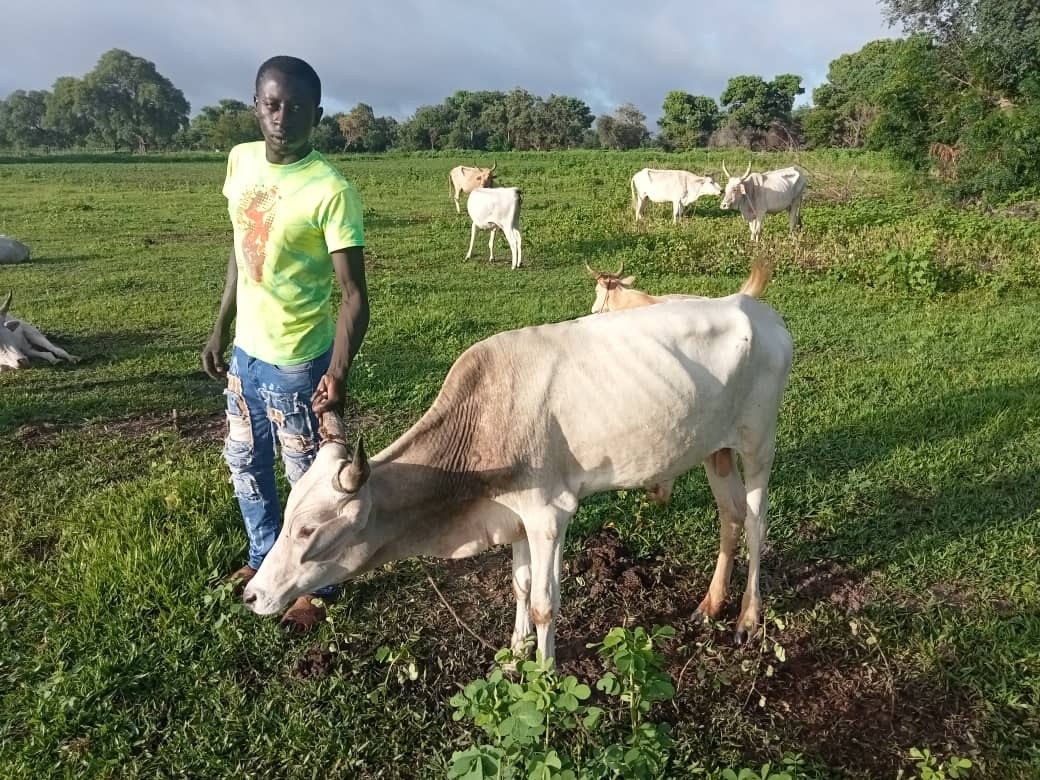
“I thought I’d find a job as soon as I landed, and my life would be perfect, just like the people I saw on Facebook,” said Amadou Camara, one of thousands of Gambians lured by social media’s portrayal of Europe. His story reveals the dangerous gap between online fantasy and migrant reality.
The Deadly Journey
Recounting his 2021 migration attempt from his cattle farm in Kundam, Amadou described the brutal truth social media never shows: “I saw people being thrown in the Sahara Desert… I’ve had to endure thirst for hours with little or no food.”
Europe’s False Promises
Migration experts identify several persistent myths driving Gambian youth to risk dangerous journeys:
Myth 1: Instant Wealth
“Many believe reaching Europe means automatic employment,” explained Mustapha Camara, a returnee and social worker. In reality, over 50,000 undocumented Gambians in Europe face precarious living conditions.
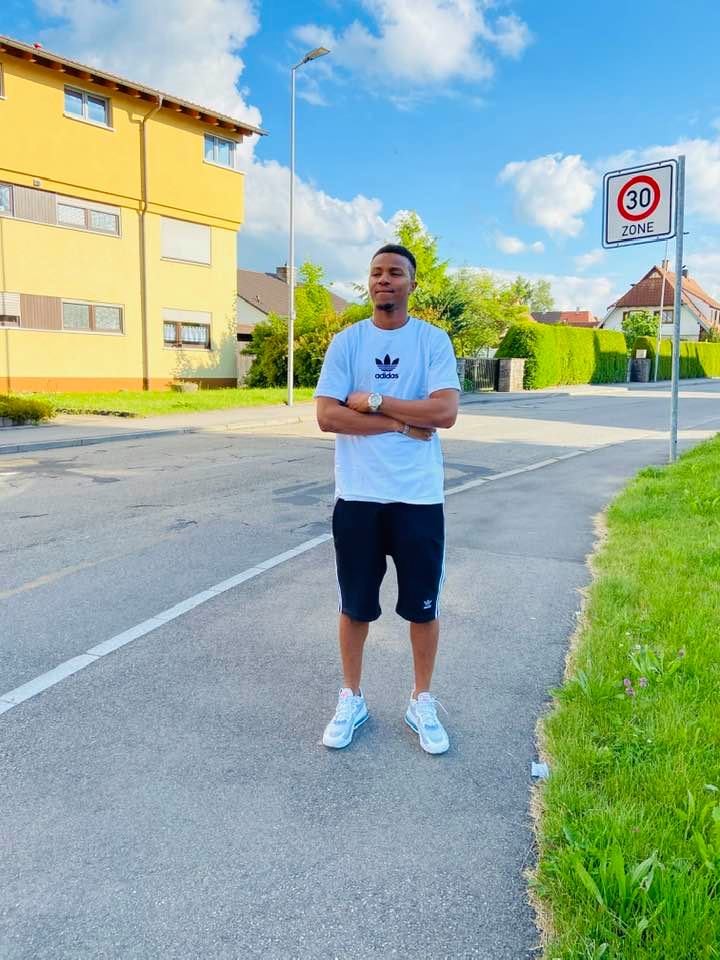
Myth 2: Easy Integration
Michael Gomez, a Gambian student in Italy, revealed: “Social media doesn’t show the struggles of being black in Europe.” Many face racism and exclusion despite expectations of warm welcomes.
Social Media’s Powerful Influence
With 80% of Gambian internet users relying on platforms like Facebook and WhatsApp (Afrobarometer 2024), curated success stories create dangerous illusions:
- 5,873 Gambians reached Europe in 2024 (4,000 via irregular routes)
- 35,000+ Gambians used dangerous migration paths (2014-2018)

Addressing the Crisis
Experts recommend:
- Comprehensive awareness campaigns
- Social media literacy programs
- Support systems for returnees
- Legal migration pathways
As Amadou concluded from his farm: “The dream need not be a myth, but must be based on reality.”
This report was produced with EU support through the Informa project.