Mali’s 2026 Finance Bill: A Deep Dive into Strategic Priorities, Painful Trade-offs, and Long-Term Implications

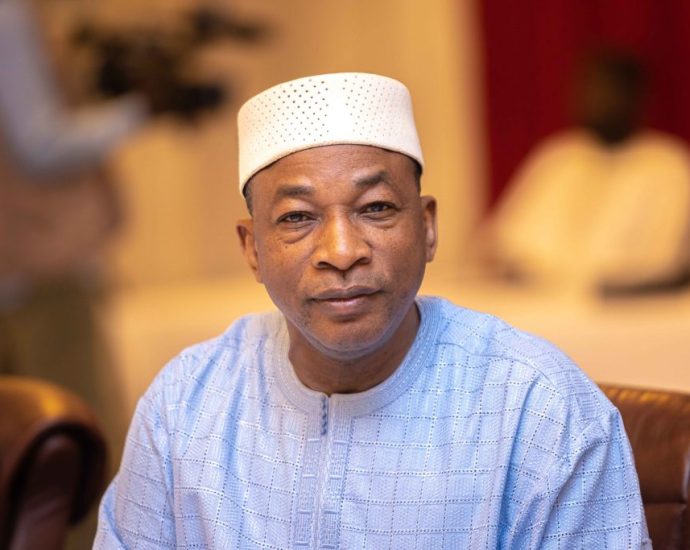
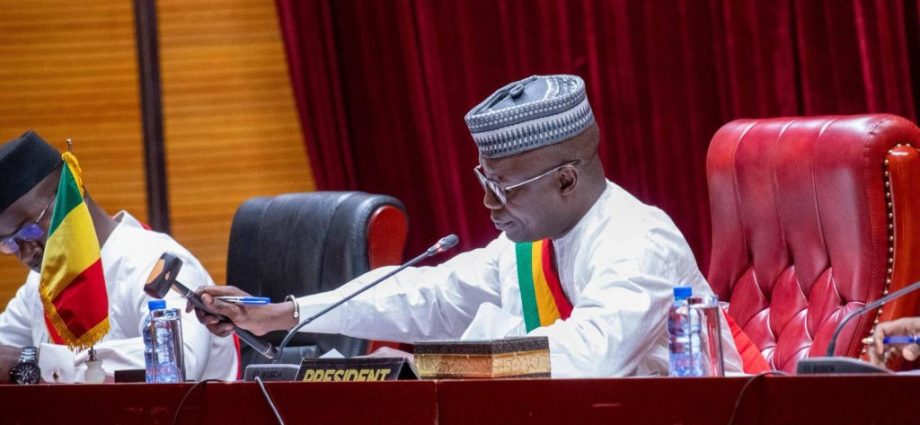
Mali’s 2026 draft budget reveals a strategic reallocation of state resources amid fiscal constraints, prioritizing long-term nation-building over short-term sectoral support. The government is making a clear, high-stakes bet by significantly increasing funding for the National Education sector and sovereign institutions while imposing deep cuts to agriculture and sports. This signals a deliberate policy choice to invest in human capital and state authority as foundational pillars for the future, even at the expense of other critical economic and social domains. The budgetContinue Reading

The New Gold Standard: How West Africa’s Rise is Reshaping Global Production in 2024

Gold’s enduring role as a strategic reserve and economic hedge is driving a significant power shift in African production. In 2024, Ghana has emerged as the continent’s new leader with ~141 tons, solidifying West Africa’s dominance over the historically leading South African region. This rebalancing highlights how structured industrial and artisanal mining in politically stable nations is outperforming traditional giants, even amidst regional complexities. The trend underscores that future gold market influence is increasingly tied to West African output and governance,Continue Reading

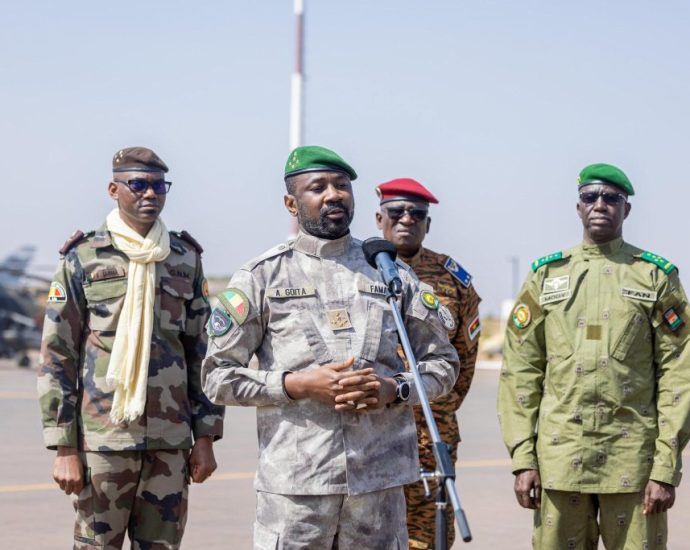
Beyond Diplomacy: How the 2nd AES Summit in Bamako Solidifies a New Sahelian Alliance

The second high-level summit of the Sahel States Confederation (AES) in Bamako successfully reinforced the strategic alliance between Mali, Burkina Faso, and Niger. The public expressions of gratitude from Burkina Faso and Niger towards Malian leadership underscore a deliberate strengthening of internal cohesion and mutual political support among the member states. This meeting solidifies their unified commitment to a sovereign, resilient bloc distinct from traditional regional and international partnerships. The outcome signals a consolidated front focused on collective security and strategic autonomy in the SahelContinue Reading

The Crisis of the ‘Ghost Civil Servants’: A Deep Dive into Administrative Abandonment and the Failure of State Responsibility

This article exposes a critical and systemic failure within Mali’s public administration, where state employees who have been formally recruited are left in indefinite limbo without assignment or explanation. The core issue is not mere bureaucratic inefficiency but a profound political and ethical breach, characterized as institutional contempt, under the responsibility of Minister Fassoun Coulibaly. The government’s public focus on new recruitment drives starkly contradicts its abandonment of these already-hired workers, revealing a damaging hypocrisy that betrays the promise of public serviceContinue Reading

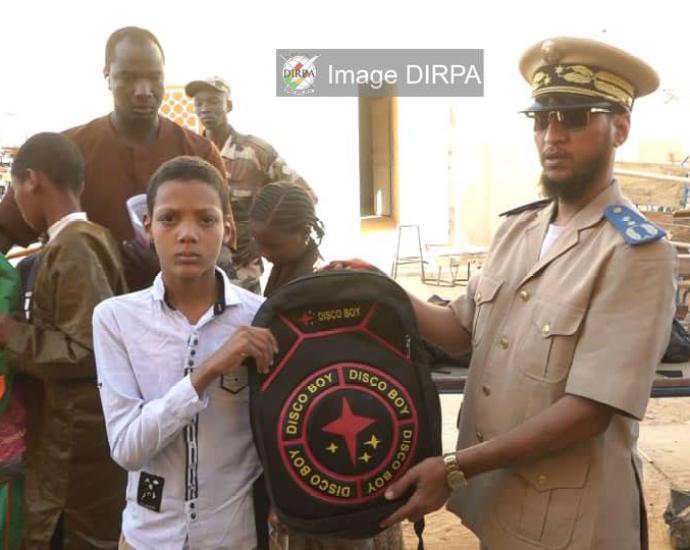
Beyond the Backpack: In Kidal, a Gesture of School Kits Becomes a Symbol of National Duty and Post-Conflict Healing

The Malian military’s social service arm, in partnership with regional authorities and financial cooperatives, has delivered school kits to children orphaned by soldiers killed in action, demonstrating a strategic commitment to long-term social welfare. This initiative serves the dual purpose of honoring fallen personnel by directly investing in their children’s education and future, thereby reinforcing institutional loyalty and cohesion. By framing the support as a collective paternal responsibility, military leaders foster a powerful narrative of enduring familial care within the armed forces community. The event underscoresContinue Reading

Beyond the Ribbon-Cutting: The Strategic Launch of AES Television and the Media Battle for the Sahel

The official inauguration of the Alliance of Sahel States (AES) television channel in Bamako on December 23, 2025, marks a pivotal strategic move by the military-led governments of Mali, Burkina Faso, and Niger. This new media platform represents a deliberate effort to forge a unified regional narrative and assert cultural sovereignty, directly countering traditional Western and French media influence in the Sahel. The joint ceremony, attended by the heads of state of all three nations, underscores the channel’s roleContinue Reading

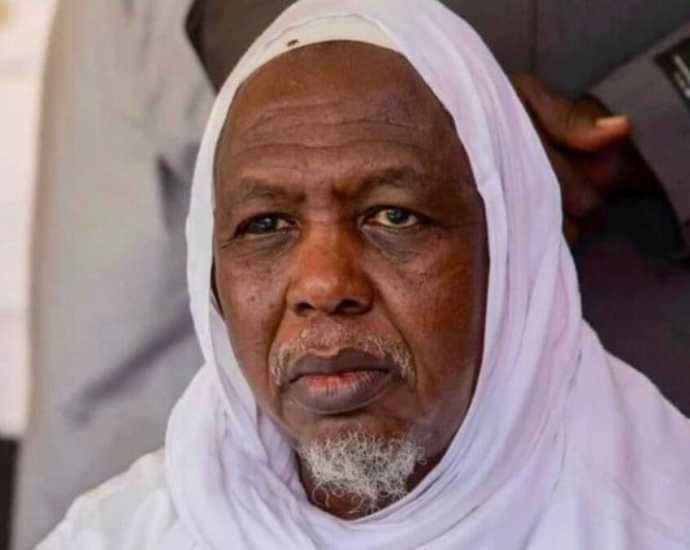
Imam Mahamoud Dicko’s Virtual Address: A Strategic Pivot from Moral Authority to Political Actor

In a significant political and spiritual intervention, exiled Malian Imam Mahamoud Dicko has publicly aligned himself with the opposition coalition CFR, positioning himself as a moral and spiritual guide for the nation. His core message is a direct call for national unity, peace, and justice, specifically urging the marginalized Peulh community to overcome divisions and engage constructively. This declaration represents a strategic move to reclaim influence, framing the CFR’s push for constitutional order within a spiritual and reconciliatory framework. Ultimately,Continue Reading

Justice Denied: A Widow’s 25-Year Land Battle Exposes Systemic Failures in Mali’s Legal and Social Framework

This case exposes a critical failure of Mali’s justice system, where legal victories are rendered meaningless by systemic impunity. Despite over 25 years of favorable court rulings, a widow is being unlawfully stripped of her inherited property, highlighting a dangerous gap between judicial decisions and their enforcement. Her plight is a direct challenge to the government’s promises to combat injustice, proving that without executable authority, legal rights for the vulnerable are illusory. Ultimately, this is not just a personal tragedy but a fundamental test ofContinue Reading

The Silent Campus: Two Years After Mali’s Student Union Dissolution, Peace Prevails But Representation Vanishes

The dissolution of Mali’s main student union has successfully ended chronic campus violence, but at the significant cost of dismantling students’ collective bargaining power. While the immediate security gains are clear, the underlying structural issues—like poor funding, teacher strikes, and inadequate infrastructure—remain unaddressed. A majority of students now regret the dissolution, not out of nostalgia for the violent union, but due to the absence of any legitimate channel to advocate for their rights. This creates a precarious trade-off: stability hasContinue Reading

A New Chapter in Sahelian Sovereignty: The Strategic Activation of the AES Unified Force

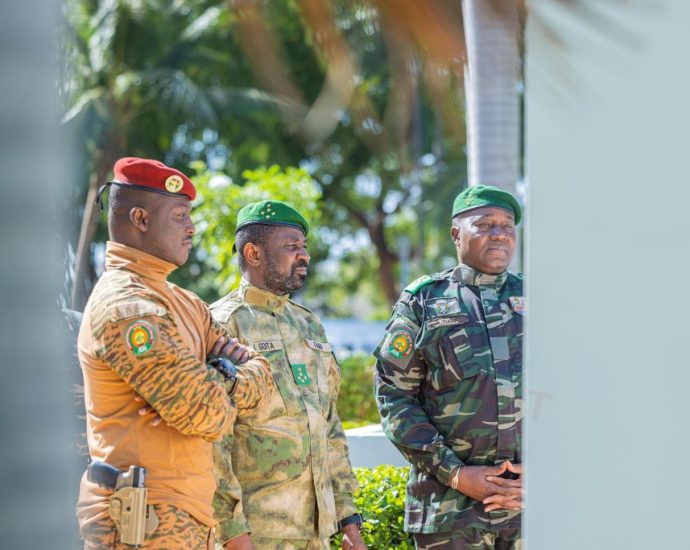
The Sahel States Alliance (AES) has officially launched its multinational Unified Force, a strategic military initiative marking a decisive shift towards regional self-reliance in security. This move consolidates a new, independent security architecture for the Sahel, directly challenging traditional international partnerships and frameworks. The high-level ceremony underscores the political will of the member states’ military-led governments to pursue integrated, collective defense against shared threats. This operationalization represents a critical step in the AES’s evolution from a political pact into aContinue Reading