

[[PEAI_MEDIA_X]]
In a move that underscores the persistent political tensions in Tanzania, a coalition of activists and opposition figures has issued a call for nationwide peaceful protests on Thursday, December 25th—Christmas Day. This date is symbolically charged, chosen not only for its potential to draw international attention but to honor the memory of citizens killed in the violent crackdowns that followed the contentious October presidential election.
The context for this call is critical. The October election, widely criticized by international observers and domestic groups for irregularities and a lack of transparency, solidified the power of the ruling Chama Cha Mapinduzi (CCM) party. The subsequent protests were met with a severe response from security forces, leading to an undisclosed number of casualties and arrests, creating a climate of fear and mourning that activists now seek to publicly acknowledge.
This planned mobilization follows a significant setback for the protest movement. A previous call for action on December 9th failed to generate the mass turnout organizers had hoped for. Analysts attribute this failure to two primary, interlinked factors:
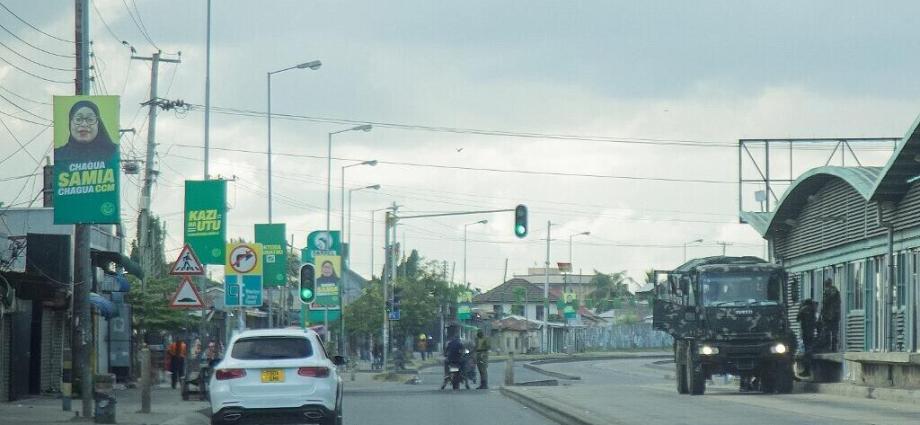
1. **Intense Security Pressure:** The government has deployed a visible and intimidating security presence in potential hotspots, conducting pre-emptive arrests and making clear that unauthorized assemblies will not be tolerated. The police and allied militias have a recent history of using force, which deters many would-be participants.
2. **Strategic Digital Restrictions:** Authorities have implemented sophisticated digital censorship, including throttling internet speeds, blocking access to social media platforms, and surveilling online communications. This disrupts organizers’ ability to coordinate, spread information, and build momentum, effectively silencing dissent in the digital public square.
Given this repressive environment, the scale of participation on Christmas Day remains highly uncertain. The choice of a major religious holiday is a double-edged sword; while it may offer some moral cover and highlight the protesters’ peaceful intentions, it also occurs when many citizens are focused on family and celebration, potentially limiting turnout. Furthermore, the state may use the holiday’s quiet to more easily isolate and detain activists.
The international community watches closely, as these events are a bellwether for the direction of Tanzania under its current administration. Will the government use the relative “success” of December 9th to further constrict civil space, or will the symbolic power of Christmas Day inspire a renewed, visible demonstration of public discontent? The day will test both the resilience of Tanzania’s protest movement and the limits of the state’s authoritarian strategies.