

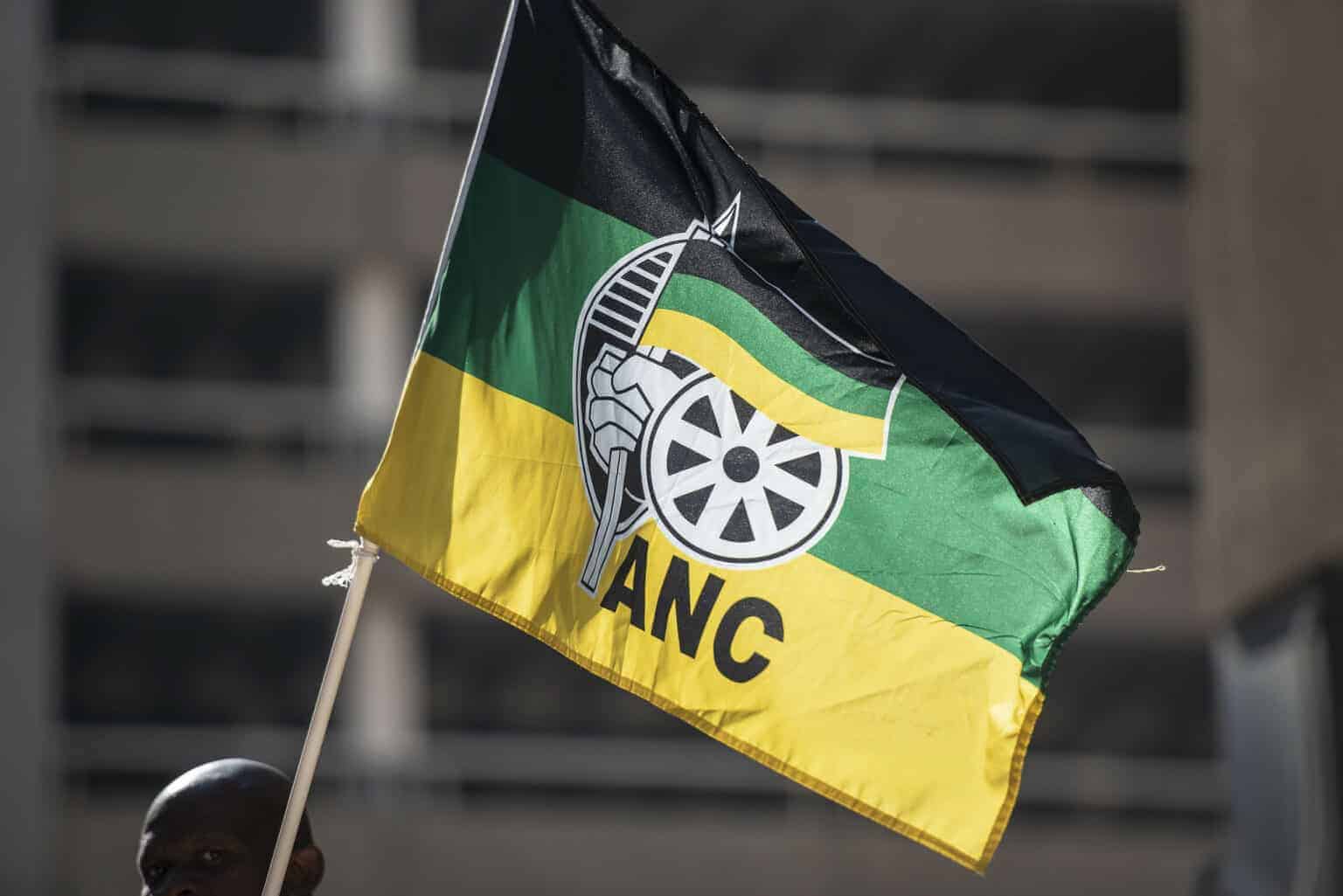
“What should concern voters is that it is the same old comrades who are leading these factions,” writes Sydney Majoko
The 19th-century French writer Jean-Baptiste Alphonse Karr penned a phrase that has become a universal truth for political observers: “Plus ça change, plus c’est la même chose” — “The more things change, the more they stay the same.” Nowhere does this adage find more potent expression than in the contemporary dynamics of South Africa’s African National Congress (ANC).
For years, political analysts have delivered a consistent prognosis: the ANC, burdened by state capture allegations, service delivery failures, and economic stagnation, is in terminal decline. The 2024 national elections were heralded as the moment of confirmation—the point where the party’s national vote share would finally fall below the symbolic 50% threshold, breaking its outright electoral dominance for the first time since 1994.
That moment arrived. The ANC’s support plummeted from 57.5% in 2019 to just over 40%. Yet, the predicted political death throes did not follow. Instead, the party adeptly negotiated its way into a Government of National Unity (GNU), retaining the presidency and key ministries. Technically, it only ‘lost’ one additional province, KwaZulu-Natal, while the Western Cape had been an opposition stronghold for years. The core paradox is this: electoral rejection has not translated into a crisis of internal power.
The most telling evidence that reports of the ANC’s demise are premature is the ferocious, business-as-usual competition for its top positions. If the presidency of the party were a hollow prize, the battle to succeed Cyril Ramaphosa would not be so intensely contested. The position remains a gateway to immense influence over state resources, policy, and patronage networks.
The succession race is a crowded field. Secretary-General Fikile Mbalula represents one pole of the party’s machinery. Deputy President Paul Mashatile leads a powerful faction with deep roots in the provinces. Mining magnate Patrice Motsepe looms as the potential ‘outsider’ candidate, symbolizing a technocratic or business-oriented rescue mission. Every day seems to bring a new name into the fray, underscoring that the stakes within the ‘dying’ movement remain supremely high.
Proxy for national succession
This internal warfare is not confined to national politics; it plays out in microcosm at the local level. The recent defeat of Johannesburg Mayor Dada Morero by the city’s MMC for Finance, Loyiso Masuku, in the contest for the ANC’s Johannesburg regional leadership was far more than a municipal skirmish. It is widely interpreted as a proxy battle for the national soul of the party, with Masuku’s victory seen as a boost for the Mashatile faction.
Masuku’s post-victory statement captured the enduring ANC lexicon: “This is an opportunity to lead Johannesburg and renew the ANC.” The term “renewal” has become a mandatory, almost talismanic, incantation in party discourse—a rhetorical placeholder for change that is endlessly promised but seldom materializes in substance. For a party that should be in existential panic, the focus remains firmly on internal positioning, not fundamental reform.
Outsider needed
This continuity is the central problem. The factions vying for control are not new movements with fresh ideologies or clean slates. They are led by the same political class that has been rotating through positions of power for decades, often trailed by scandals—from allegations of “money for votes” in internal elections to unresolved questions of corruption. As the author notes, it wouldn’t have mattered if Morero’s faction had won; the players would simply have switched chairs. For Johannesburg’s residents, and indeed for all South Africans, the outcome is experienced as a change in personnel, not a change in governance or accountability.
The script is identical at the national level. Leadership may change hands, but the underlying system of power, patronage, and political business remains stubbornly intact. This grim reality was inadvertently acknowledged by a senior figure within the party itself. ANC head of elections Mdumiseni Ntuli told a recent National General Council that no one in the current National Executive Committee (NEC) deserves to succeed Ramaphosa if the party fails to win the 2026 local government elections.
This stunning admission is a damning indictment of the entire sitting leadership. While it may be a strategic maneuver to open the door for an outsider like Motsepe, its core message is clear: the existing pool of leaders is collectively viewed as incapable of engineering the genuine renewal needed to reverse the party’s fortunes. The ANC’s only hope for substantive change, it implies, may lie outside its current entrenched structures.
The ultimate conclusion is a challenging one for South African democracy. The ANC has demonstrated a remarkable ability to decouple its internal power dynamics from its external electoral performance. The party can lose the confidence of millions of voters yet continue its internal competitions for spoils with undiminished vigor. Until this link is forcibly re-established—until losing elections triggers not just a change of faces but a revolutionary change in conduct, ethics, and purpose—Karr’s ancient maxim will continue to define South African politics: the more the ANC changes, the more it stays the same.
NOW READ: ‘Renew or perish’: ANC NEC member addresses vote-buying and money politics