


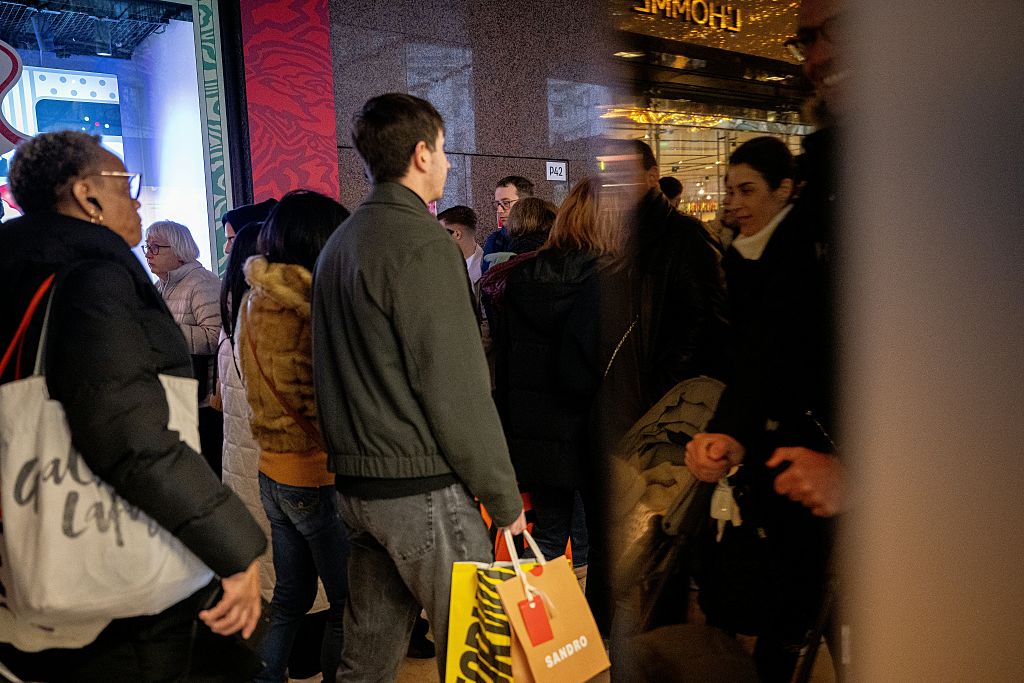
The landscape of holiday shopping is undergoing a quiet but significant transformation. As consumers finalize their gift lists, a growing number of major retailers are implementing a once-rare practice: charging fees for returns. This shift, driven by the soaring costs of reverse logistics, e-commerce growth, and concerns over return fraud, is reshaping the post-purchase experience. According to the National Retail Federation, approximately 75% of retailers now impose some form of return charge, a stark increase from just a few years ago. For value-conscious shoppers, particularly within the African-American community where strategic spending and maximizing every dollar are often paramount, understanding this new terrain is no longer optional—it’s essential financial literacy.
These fees, often obscured under terms like “restocking,” “return shipping,” or “convenience” charges, can apply even to unopened, perfectly good items. The rationale from retailers is multifaceted: processing a return involves labor, transportation, inspection, and often results in merchandise that cannot be resold at full price. For the shopper, however, it translates to an unexpected deduction that can erode holiday budgets and turn a thoughtful gift into a financial misstep.
Beyond Checking the Policy: A Proactive Return Strategy
Navigating this new reality requires moving beyond passive awareness to active strategy. Here are expanded, tactical steps to safeguard your finances:
- Decode the Fine Print: Simply “checking the policy” isn’t enough. Look for key details: Is there a fee for mail-in returns but not in-store? Does the fee apply after a specific window (e.g., 30 days)? Are certain item categories, like electronics, final sale or subject to higher fees? This information is usually found in the website’s footer under “Returns & Exchanges.”
- The In-Store Return Advantage: Opting to return an online purchase at a physical store is often the most reliable way to bypass mail-in fees. This is because the retailer saves on shipping and processing costs. Before you go, confirm via the website or customer service that the specific item and your method of payment are eligible for an in-store return.
- Leverage Loyalty Programs Strategically: Many retailers use free returns as a premium benefit for their top-tier loyalty members. If you frequently shop at a particular store, investing in their paid membership (e.g., Amazon Prime, Nordstrom’s Nordy Club) or reaching a free membership tier can effectively prepay for return convenience, making it a calculated cost-saving move.
- Consider the “Try Before You Buy” Model: Services like Amazon’s “Try Before You Buy,” Stitch Fix, or Nordstrom Trunk Club allow you to receive items, try them on, and only pay for what you keep. While not universal, this model externalizes the risk of fit and style, effectively offering a fee-free return experience for the items you reject.
The Retailer Fee Landscape: A Detailed Breakdown
The following list highlights return fees for popular retailers. Critical Context: These fees are typically for mail-in or shipped returns. In-store returns may be free, but always verify. Fees and policies are subject to change, especially during holidays.
- Best Buy: $45 (Common for large electronics; highlights the high cost of restocking tech items.)
- Marshall’s / T.J. Maxx: $11.99 (Reflects the off-price model where low margins make returns costly.)
- Macy’s: $9.99
- Nordstrom Rack: $9.95 (Note the difference from its parent company, Nordstrom, which offers free returns.)
- Dillard’s: $9.95
- Ulta: $8+ (varies by weight; heavier items like hair tools cost more.)
- Lands End: $8.95
- DSW: $8.50
- Kohl’s: $8+ (customer pays postage—you must cover the shipping cost yourself.)
- REI: $7.99 (An exception in outdoor retail, where generous policies were once standard.)
- Temu / Shein: $7.99 (Often offer a “first return free” incentive to attract new customers.)
- LL Bean: $6.50 (A notable shift from their legendary lifetime guarantee.)
- JCPenney: $8
- J. Crew / Abercrombie & Fitch / American Eagle Outfitters: $7.50 – $5
- H&M / Zara: $3.95 – $3.99 (Among the lower fees, but still a charge on fast-fashion items.)
- Urban Outfitters / Anthropologie: $5
The Holdouts: Retailers Still Offering Free Returns
In this fee-heavy environment, several major players stand out for maintaining free return policies, especially during the holidays. These retailers absorb the cost as a customer service investment and competitive advantage. Key names include:
- Amazon (on most items sold by Amazon.com, often with drop-off options at Kohl’s, Whole Foods, or UPS)
- Walmart (free mail returns with label, or free in-store)
- Target (extended holiday return window and free in-store or mail returns)
- Nordstrom (not Nordstrom Rack; known for one of the most generous policies in retail)
- The Home Depot
- Sephora (a key perk in beauty retail, though often with a time limit)
- Costco (famously liberal return policy on most items)
Prioritizing these retailers for uncertain purchases—like clothing sizes or gadget compatibility—can provide a valuable financial safety net.
For families meticulously balancing holiday cheer with financial responsibility, these strategies are more than tips; they are a necessary framework for modern shopping. By treating return policies as a key factor in the purchase decision—akin to price and quality—shoppers can exert greater control, avoid post-holiday financial surprises, and ensure their generosity doesn’t come with a hidden price tag.
TRENDING STORY: Ugly Christmas Sweaters Guaranteed To Get You Side-Eyed By Grandma
TRENDING STORY: Test Your Knowledge: 20 Christmas Trivia Questions For Family Fun During The Holidays
READ MORE STORIES