

Welcome to an expanded edition of the Weekend Wrap, where we move beyond the headlines to provide context, analysis, and a clearer understanding of the stories shaping South Africa. This week, we examine the complex reality behind our summer swims, challenge conventional wisdom on a contentious educational policy, and reflect on a profound ecological loss.
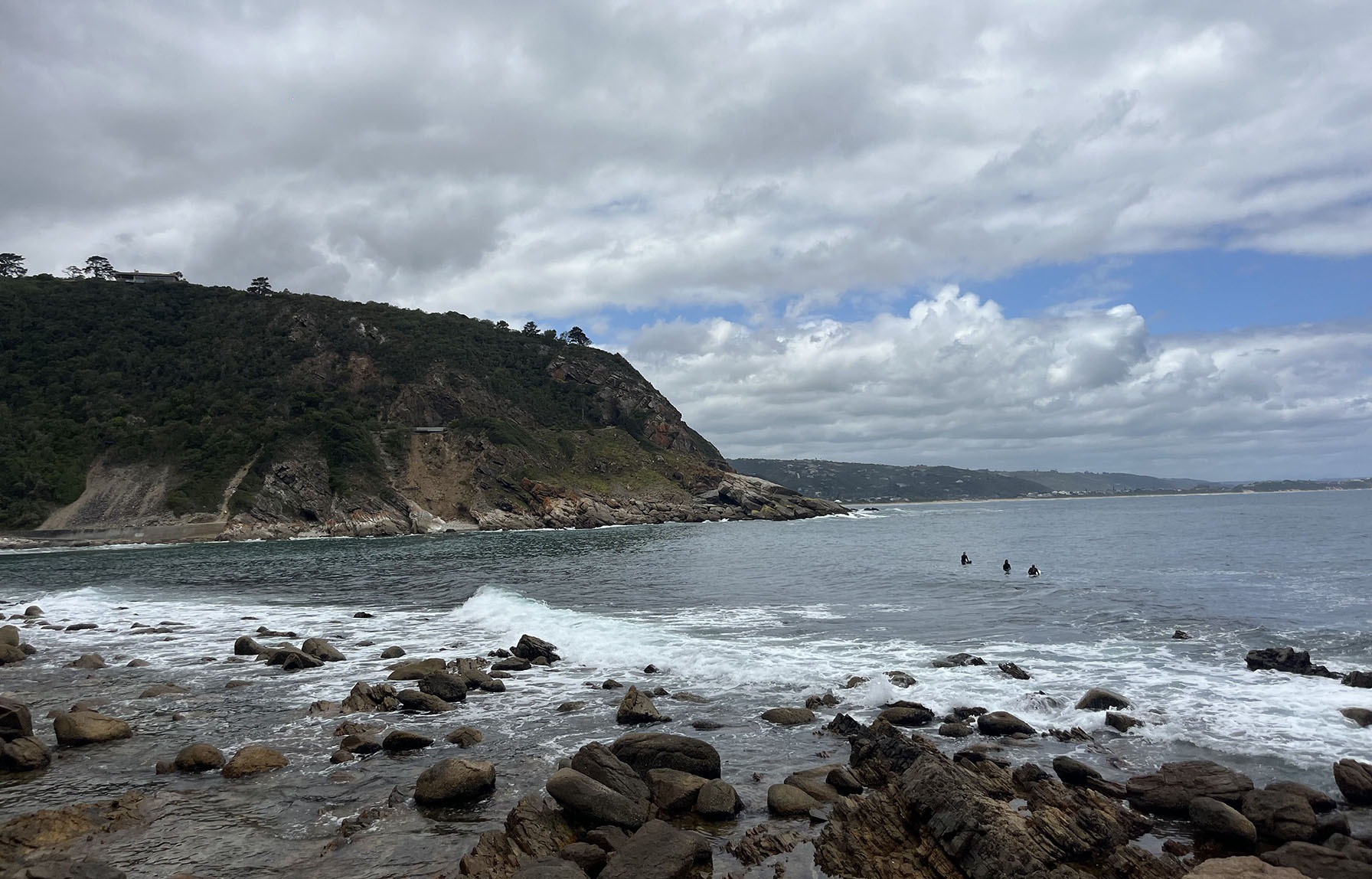
### 1. The State of Our Beaches: Navigating Safety Beyond the Blue Flag
While the annual list of Blue Flag and other ‘safe’ beaches provides essential guidance for holidaymakers, the full picture of South Africa’s coastal water quality is more nuanced. The designation often relies on periodic sampling, which may not account for transient pollution events like stormwater runoff after heavy rains or sewage overflows. For a truly safe swim, readers should consider:
– **Timing:** Avoid swimming for 24-48 hours after significant rainfall, when contaminants are most likely to be washed into the sea.
– **Local Knowledge:** Engage with local lifesaving clubs or municipal offices for real-time advisories.
– **Visual Cues:** Be wary of discoloured water, unusual odours, or visible debris, which are immediate, albeit informal, indicators of potential risk.
The conversation extends beyond safety to **environmental justice**; often, the beaches near affluent areas receive more consistent monitoring and maintenance, while those serving less wealthy communities can be neglected. This summer, the call isn’t just for safe swimming, but for equitable investment in our entire coastline.
### 2. Grade Repetition in SA Schools: Unpacking the ‘Surprising Success’
The reported success of grade repetition in some South African schools is a finding that challenges dominant global educational research, which largely views ‘holding back’ students as detrimental to long-term academic and social outcomes. To understand this apparent contradiction, we must delve deeper:
– **Context is Key:** In a system plagued by overcrowded classrooms, under-resourced teaching, and profound learning backlogs (exacerbated by the pandemic), repetition might provide a critical, if imperfect, **intervention window**. It can offer a student a second chance to grasp foundational concepts in a (hopefully) smaller class cohort.
– **The Critical Factors for Success:** The data likely shows success where repetition is **not a solitary punishment**, but part of a structured support plan. This includes diagnostic assessments to identify specific learning gaps, targeted teaching, and socio-emotional support. Without these, repetition simply recycles a student through a system in which they have already failed.
– **The Long-Term View:** While short-term test scores may improve, the real measure is whether this approach reduces subsequent dropout rates and improves matriculation outcomes. The ‘success’ may highlight a desperate need for systemic early-grade reading and numeracy interventions, making repetition a last-resort remedy rather than a preferred strategy.
### 3. Knysna’s Last Elephant: The Weight of Solitude and Symbolism
The passing of the Knysna forest’s last unequivocally confirmed elephant is not merely the loss of an individual, but the **fading of an ecological and cultural archetype**. This elephant represented a direct, living link to the vast herds that once roamed the Southern Cape. Its solitary existence for decades was a poignant symbol of human-wildlife conflict, habitat fragmentation, and the slow erosion of wilderness.
– **A Legacy in Question:** While there are unconfirmed reports of other, elusive individuals, the confirmed end of this lineage forces a reckoning. It asks us what we are willing to preserve and how. The Knysna elephant was a **’ghost of biodiversity past,’** a reminder of what has been lost and a urgent prompt for the conservation of other critical species and corridors.
– **Beyond the Icon:** The story should galvanise support for broader forest ecosystem conservation—protecting the habitat benefits countless other species, from the rare Knysna seahorse to diverse birdlife. The elephant’s silence should make us listen more intently to the entire ecosystem it once called home.
—
*This expanded Wrap aims to equip you with not just the ‘what,’ but the ‘why’ and ‘what next.’ Informed citizens are the bedrock of a proactive society, whether debating education policy, planning a family holiday, or advocating for our natural heritage.*