

UN Condemns Escalating Violence in North Darfur, Calls for Immediate Ceasefire
The United Nations has issued strong condemnations of the escalating violence in and around El Fasher, North Darfur, where attacks have led to mass civilian casualties and displacement. The UN Security Council and humanitarian officials are urging all parties to respect international law while appealing for urgent funding to support relief efforts.
Growing Humanitarian Crisis in Sudan
The ongoing conflict in Sudan has created what experts describe as “the largest humanitarian crisis in the world,” prompting international condemnation and renewed calls for a ceasefire. Recent satellite imagery from Yale’s Humanitarian Research Lab reveals widespread destruction from artillery shelling and Rapid Support Forces (RSF) attacks, with reports indicating the near-total destruction of Zamzam camp.
Over the past two weeks, approximately 3,000 displaced persons have fled El Fasher for Tawila, located 50 kilometers west, overwhelming local resources. Humanitarian organizations report that between 400,000-450,000 people have been displaced by recent hostilities, with many facing severe food insecurity and risk of disease outbreaks.
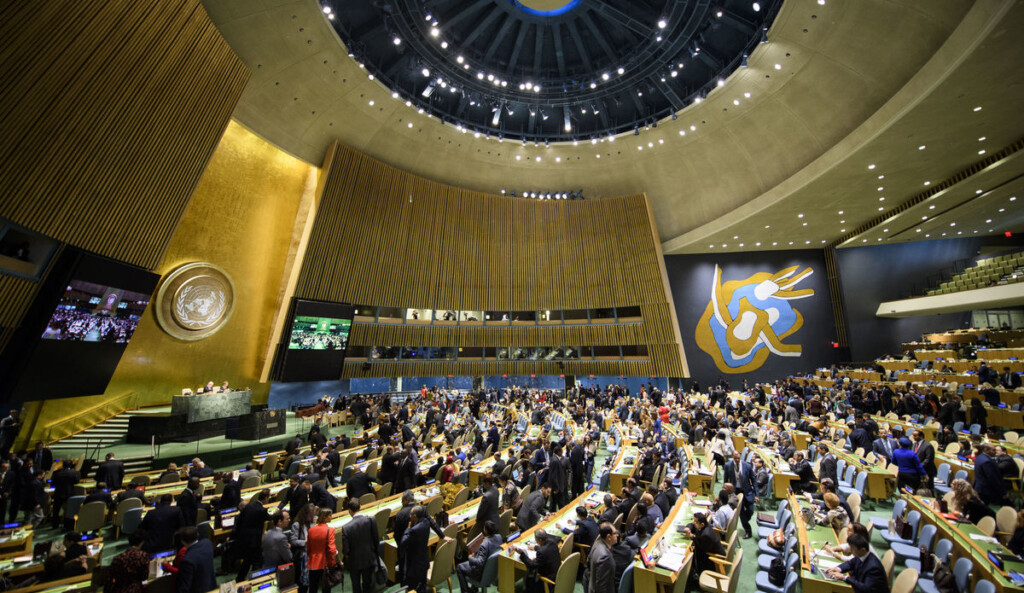
UN Security Council Demands Action
UNSC President Jérôme Bonnafont expressed “deep concern over escalating violence” and condemned attacks on El Fasher and displacement camps. The Council reiterated demands for RSF to halt its siege of El Fasher and called for immediate de-escalation.
“The UN Security Council calls upon all parties to the conflict to respect and protect humanitarian personnel, their premises and assets in accordance with their obligations under international law.”
UNSC President Jérôme Bonnafont
The Council emphasized the need for all parties to comply with Resolution 2736 (2024) and the Jeddah Declaration, while calling for accountability for human rights violations. They also stressed the importance of maintaining safe humanitarian access throughout Sudan.
Humanitarian Coordinator Sounds Alarm
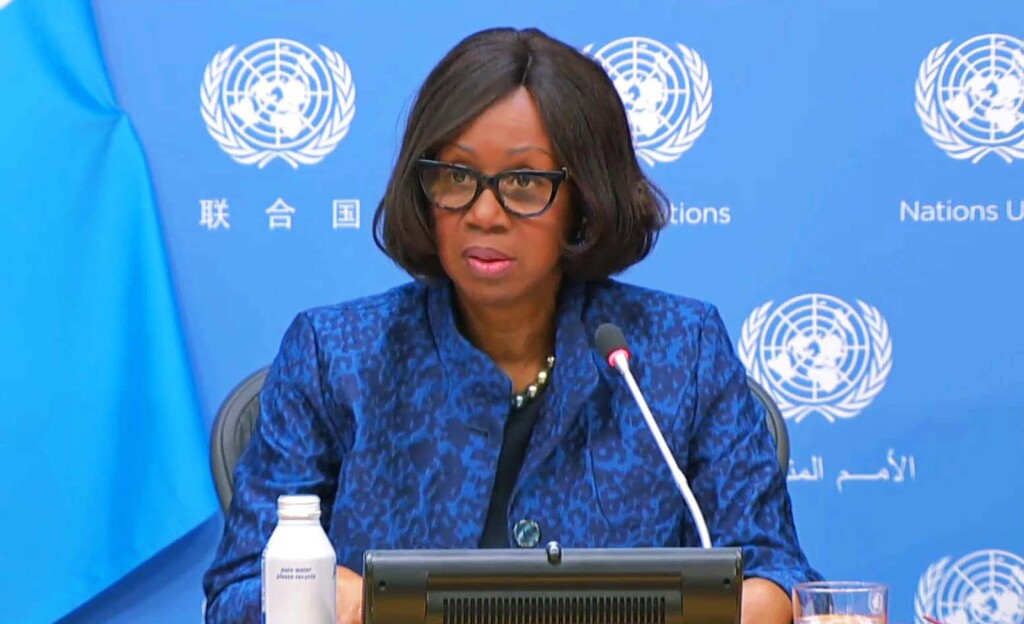
UN Humanitarian Coordinator Clementine Nkweta-Salami warned that aid operations are being overwhelmed by massive displacement, stating: “Population movements are increasingly fluid, unpredictable, and fuelled by ongoing hostilities and fears of a broader offensive on El Fasher.”
Nkweta-Salami highlighted critical challenges including:
- Severely restricted humanitarian access to El Fasher
- Overstretched response capacity in receiving areas like Tawila
- Growing risks of famine and disease outbreaks
“UN and NGO actors must be granted immediate and sustained access to these areas to ensure life-saving support can be delivered safely and at scale.”
Clementine Nkweta-Salami, UN Humanitarian Coordinator
Urgent Call for International Support
The humanitarian coordinator made an urgent appeal for donor support, emphasizing that current funding levels are insufficient to meet growing needs. She stressed that attacks on civilians and aid workers violate international law, stating: “Civilians must never be a target. Forced displacement must never be a precondition for accessing life-saving aid.”
As the crisis continues to escalate, international organizations are working to expand relief operations while calling for political solutions to end the violence.
This article summarizes an original report from Dabanga Sudan.