

New Trial Granted for New Mexico Officer in Fatal Shooting, Amid Evidence Controversy
Primary Source: Black Enterprise
A New Mexico judge has ordered a new trial for a former police officer convicted of manslaughter in the 2022 killing of a Black man, a decision that has reignited debates over police accountability and judicial process.
From Conviction to Overturned Verdict
In a significant legal reversal, New Mexico District Judge James B. Foy granted a new trial for former Las Cruces Police Officer Brad Lunsford in October. Lunsford had been convicted in February for the fatal shooting of 36-year-old Presley Eze, a first-generation Nigerian-American, husband, and father.
The judge’s decision cited procedural errors during the original trial’s jury selection process. The defense successfully argued that a juror was improperly switched and raised concerns about potential juror bias, leading the court to deem the initial conviction unsound.
A Fatal Encounter Over a Beer Can
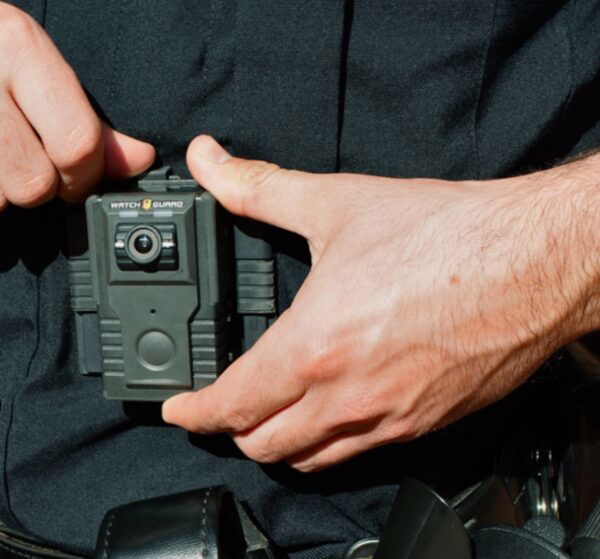
The incident began with a report of a shoplifted can of Budweiser from a gas station convenience store. Body camera footage revealed a series of escalations: Eze, who was in the passenger seat of a friend’s car, maintained he had brought the beer into the store and was merely exchanging it for a colder one.
Despite Eze’s pleas for officers to review the store’s security footage to verify his account, the confrontation intensified. The officers attempted to physically remove Eze from the vehicle and restrain him on the ground. The situation culminated when Lunsford fired his weapon at point-blank range after a taser fell near Eze’s hand during the struggle.
Legal and Evidentiary Complications Deepen
The case’s complexities extend beyond the criminal retrial. In the parallel civil lawsuit filed by the Eze family, a new controversy has emerged: Lunsford admitted to deleting text messages of support sent by fellow officers and police chiefs during his criminal proceedings.
The family’s attorneys argued this constituted the destruction of crucial evidence and moved for a default judgment in their favor. While a judge denied this motion, they did order Lunsford to pay the family’s attorney’s fees, acknowledging the seriousness of the act.
A Clash of Legal Perspectives
The decision to grant a new trial has drawn sharp criticism from state officials. New Mexico Attorney General Raúl Torrez previously condemned the defense’s post-trial actions, stating, “The defense’s accusations of bias based on a juror’s political beliefs is contrary to the law and to the impartial administration of justice.”
He emphasized that the original jury was “properly seated” and that the defense was attempting a “partisan witch-hunt” after an unfavorable verdict.
For the Eze family, the legal reversal compounds their grief. “If you try this case 10 times, the fact is, Brad Lunsford took a gun, put it on my son’s head, and shot him at point-blank range,” his mother, Loretta Eze, told local media.
The Broader Implications
This case sits at the intersection of several critical issues in the U.S. justice system: the high legal bar for convicting police officers, the impact of procedural technicalities on substantive outcomes, and the challenges families face in seeking accountability through civil courts.
As Brad Lunsford awaits his second criminal trial and continues to navigate the civil suit, the legal proceedings will be closely watched, serving as another benchmark for how the justice system adjudicates incidents of police use of force.