

Gibraltar Strait Tunnel: Reviving the Century-Old Dream Connecting Europe and Africa
In what could mark a transformative moment for transcontinental connectivity, a comprehensive study by German engineering firm Herrenknecht has confirmed the technical feasibility of constructing an unprecedented tunnel beneath the Strait of Gibraltar, linking Morocco and Spain. This ambitious infrastructure project, quietly advancing amid broader geopolitical discussions, represents the potential realization of a vision that has captured imaginations for over a century.
The Technical Breakthrough: From Dream to Blueprint
The recent assessment by Herrenknecht—renowned for manufacturing the world’s largest tunnel boring machines—represents a significant milestone in the project’s long and complicated history. According to the findings, while substantial geological challenges remain, particularly concerning the Camarinal Ridge within the Gibraltar Strait, modern engineering capabilities have finally reached the point where such an undertaking appears genuinely achievable.
What makes this development particularly compelling is the timeline now taking shape. Both the Moroccan and Spanish governments have indicated they anticipate reaching a definitive decision about moving forward with the Gibraltar Strait tunnel project by summer 2027. This creates a clear, if distant, horizon for what would be the first underground geotechnical connection between the African and European continents.
A Project Born in the 19th Century
The concept of traversing the Strait of Gibraltar by means other than air or sea is what the French might call “un serpent de mer”—a perennial idea that surfaces repeatedly but never quite comes to fruition. The earliest discussions about such a connection emerged during the 19th century, roughly contemporaneous with another ambitious underwater passage that did eventually materialize: the Channel Tunnel connecting England and France.
While the “Chunnel” became a reality in 1994 after numerous false starts and centuries of speculation, the Gibraltar crossing remained in the realm of fantasy. The technical challenges were simply too formidable, the political will insufficient, and the financial resources beyond reach. The depth of the strait, complex underwater geology, and significant seismic activity in the region presented obstacles that 20th-century engineering couldn’t reliably overcome.
Why Now? The Converging Factors
Several converging factors have brought this century-old dream back to the forefront of infrastructure planning. Advances in tunneling technology represent the most obvious catalyst. Herrenknecht’s expertise in creating massive tunnel boring machines capable of working under extreme conditions has fundamentally changed what engineers consider possible beneath challenging seabeds.
Beyond pure engineering capability, the geopolitical landscape has evolved significantly. Morocco’s growing economic influence in North Africa, combined with Spain’s position as a gateway to the European Union, creates compelling economic incentives for enhanced connectivity. A fixed link would dramatically reduce transit times for both passengers and freight, potentially reshaping trade patterns between Europe and Africa.
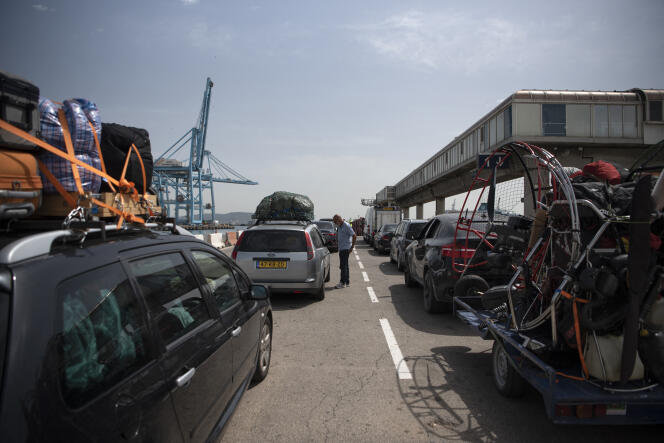
Consider the current reality: the short ferry crossing between Spain and Morocco still represents a significant bottleneck in continental transportation networks. While the distance is minimal—just 14 kilometers at the narrowest point—the transfer between continents requires loading and unloading vehicles, navigating customs and immigration, and contending with weather conditions that can disrupt service. A tunnel would create a seamless, all-weather connection integrated into rail networks on both continents.
The Geological Challenge: Navigating the Camarinal Ridge
The Herrenknecht study doesn’t minimize the difficulties that lie ahead. The Camarinal Ridge, an underwater geological formation in the Strait of Gibraltar, presents particularly complex challenges for tunnel engineers. This submerged ridge affects water currents and comprises varied rock formations that would require sophisticated tunneling techniques to navigate safely.
Geologists familiar with the region note that the strait sits at the boundary between the African and Eurasian tectonic plates, creating seismic considerations that don’t affect the Channel Tunnel to the same degree. Any design would need to account for potential earth movements while ensuring decades of safe operation. The engineering solutions would likely incorporate flexible joint systems and advanced monitoring technologies similar to those used in earthquake-prone regions like Japan.
Economic Implications: Beyond Engineering
The potential economic impact of a fixed Gibraltar crossing extends far beyond the construction phase. By creating a direct land (or more accurately, underground) connection between Africa and Europe, the tunnel would fundamentally alter transportation economics for goods moving between the continents.
Currently, shipping containers traveling from West Africa to European markets must be loaded onto vessels, creating delays and additional handling costs. A rail tunnel would allow for seamless transfer of containerized freight, potentially making Moroccan ports more competitive as gateways to European markets. The tourism industry would also see transformation, with the possibility of direct rail connections from cities like Madrid to Marrakech becoming feasible.
From a broader perspective, the tunnel represents the physical manifestation of deepening Euro-African integration. In an era where supply chain resilience has become a strategic priority, alternative transportation routes between continents offer valuable redundancy. The project aligns with European Union initiatives to strengthen ties with African nations while creating infrastructure that could serve economic development for generations.
The Road to 2027: Political and Financial Hurdles
While the technical assessment offers cause for optimism, the path between feasibility study and operational tunnel remains long and fraught with challenges. The 2027 decision date gives both governments time to conduct more detailed studies, particularly regarding financing models and environmental impact assessments.
The cost of such a project would undoubtedly reach tens of billions of euros, requiring innovative financing structures that might include public-private partnerships, international development bank participation, and potentially investment from sovereign wealth funds. The Channel Tunnel, often cited as a reference point, cost approximately £9 billion (adjusted for inflation) and faced significant cost overruns—a cautionary tale for Gibraltar tunnel planners.
Political considerations extend beyond mere funding. The project would require unprecedented cooperation between Moroccan and Spanish authorities on everything from security protocols to regulatory alignment. Customs and immigration procedures would need reimagining for a tunnel environment, potentially creating a template for future cross-border infrastructure projects.
A Vision for the Future
What makes the Gibraltar Strait tunnel concept so compelling isn’t merely the engineering achievement it represents, but the symbolic power of physically connecting two continents that have historically been divided by geography and history. In an age where political rhetoric often emphasizes division, large-scale infrastructure projects that literally bring peoples and economies closer together offer a powerful counter-narrative.
The quiet progress of this project—overshadowed by more immediate geopolitical concerns—belies its transformative potential. Like the Channel Tunnel before it, the Gibraltar crossing may seem like a distant dream until suddenly the pieces fall into place and what was once impossible becomes inevitable.
As 2027 approaches, engineers, politicians, and citizens on both sides of the strait will be watching closely. The decision to move forward would not just approve a construction project; it would affirm a vision of connected continents and shared prosperity. After more than a century of dreaming, that vision may finally be within reach.
Source: Le Monde