

Lafarge in the Dock: French Cement Giant Faces Historic Terrorism Financing Trial Over Syria Operations
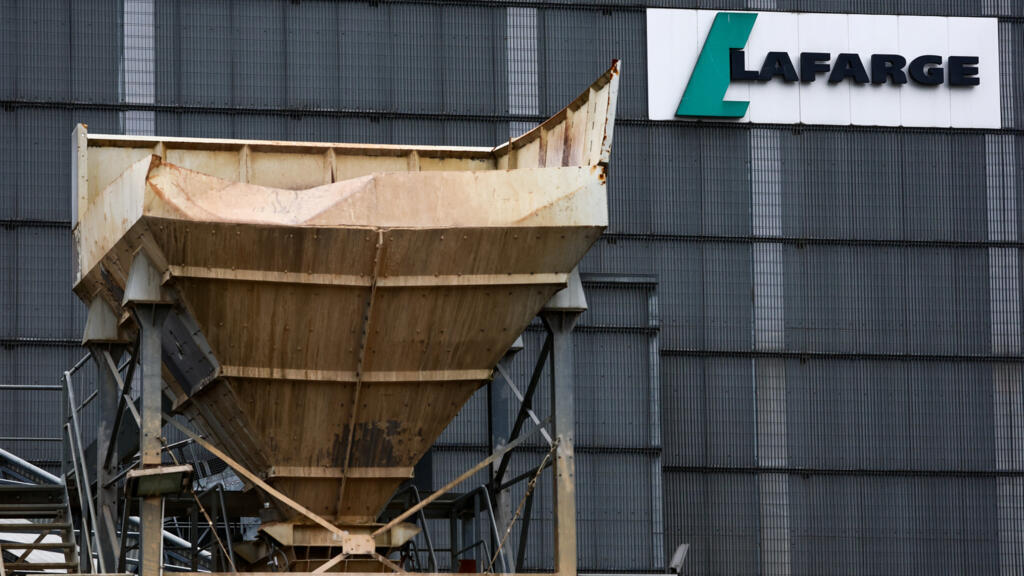
In a Paris courtroom this week, one of the most consequential corporate criminal cases in recent memory begins its proceedings. French industrial giant Lafarge, along with eight former executives, stands accused of crossing a line that few Western companies have been alleged to cross: financing terrorist organizations, including the Islamic State group, to maintain business operations in war-torn Syria.
A Corporate Strategy in the Crucible of War
The case centers on activities between 2011 and 2014, when Syria descended into brutal civil war. As international companies fled the escalating violence, Lafarge made a calculated decision to continue operations at its $680 million cement plant in northern Syria. What followed, according to French prosecutors, was a systematic scheme of payments totaling approximately 13 million euros to various armed groups, including ISIS and other jihadist organizations.
How does a multinational corporation justify such payments? According to internal documents and former employees, the company framed these transactions as “security fees” necessary to protect their assets and personnel. But prosecutors allege these were deliberate payments to terrorist organizations with full knowledge of their nature and activities.
The Legal Landscape: Uncharted Territory
This landmark case represents one of the first instances where a major corporation faces direct charges of terrorism financing rather than simply violating sanctions or embargoes. The distinction is crucial—while sanctions violations are serious financial crimes, terrorism financing charges imply knowledge that funds would support organizations engaged in violent extremism.
“This case will set a precedent for how Western corporations operate in conflict zones,” explains Dr. Amara Chen, a corporate ethics professor at the Geneva Institute. “The fundamental question is: at what point does risk management become material support for atrocities?”
The Human Cost of Corporate Calculation
Behind the legal technicalities lies a harrowing human story. Former employees have described working under the shadow of armed militants who controlled access to the plant. Local contractors found themselves navigating checkpoints manned by fighters whose weapons were indirectly funded by the very company they served.
One Syrian truck driver, who asked to remain anonymous for safety reasons, recalled the impossible choices faced by workers. “We needed the jobs, our families needed to eat,” he said in a previous interview. “But every day we saw where the money was going—to the same people who were destroying our country.”
Corporate Knowledge and Complicity
Court documents reveal that Lafarge executives received detailed intelligence reports about the groups they were paying. Internal communications show discussions about the “political and religious affiliation” of various armed factions and their control over territory surrounding the plant.
Perhaps most damning are emails and memos that explicitly reference the Islamic State by name as early as 2013—more than a year before the company claims it fully understood the nature of the organization. This timeline could prove critical in establishing whether the company acted with knowing complicity or willful ignorance.
The Defense Strategy: Operating in Impossible Circumstances
Lafarge’s legal team is expected to argue that the company operated in an environment where traditional governance had completely collapsed. With no functioning state authority, they contend, businesses faced the impossible choice of dealing with whatever armed groups controlled their operating areas or abandoning significant investments.
“We maintained operations as long as possible to preserve local jobs and economic stability in a region descending into chaos,” a former company spokesperson stated in 2017. “The alternative was complete abandonment, which would have devastated the local economy and left employees vulnerable.”
This defense raises difficult questions about corporate responsibility in conflict zones. When does pragmatic adaptation become unacceptable collaboration? Where should companies draw the line when operating in lawless environments?
Broader Implications for International Business
The Lafarge case sends shockwaves through corporate boardrooms worldwide, particularly for companies with operations in unstable regions. Compliance officers and risk managers are watching closely as the legal boundaries of corporate conduct in conflict zones are tested.
“This isn’t just about Lafarge,” notes international business ethics consultant Michael Rostov. “Every multinational with supply chains in high-risk areas is examining their protocols. The era of plausible deniability in conflict zones may be ending.”
The trial also highlights the evolving nature of corporate accountability. In an age of increased transparency and activist shareholders, companies face scrutiny not just from regulators but from consumers, investors, and civil society organizations demanding ethical conduct.
A Test for International Justice
This proceeding represents a significant test for France’s judicial system in handling complex international corporate crime. The investigation has spanned multiple countries, involved numerous witnesses from conflict zones, and required parsing thousands of documents in multiple languages.
Legal experts note that successful prosecution would demonstrate that Western justice systems can hold powerful corporate entities accountable for their actions abroad, even in the most challenging circumstances.
As the trial opens, victims’ advocacy groups and human rights organizations have gathered outside the courthouse, holding photographs of those killed by ISIS during the period when Lafarge allegedly made payments to the group. Their silent presence serves as a stark reminder that behind the corporate balance sheets and legal arguments lie real human consequences.
The world now watches as a Paris courtroom grapples with questions that will define corporate responsibility for years to come. Can profit motives ever justify transactions with terrorist organizations? Where should the red lines be drawn when business intersects with armed conflict? The answers may reshape how global corporations operate in the world’s most dangerous places.
Source: France 24